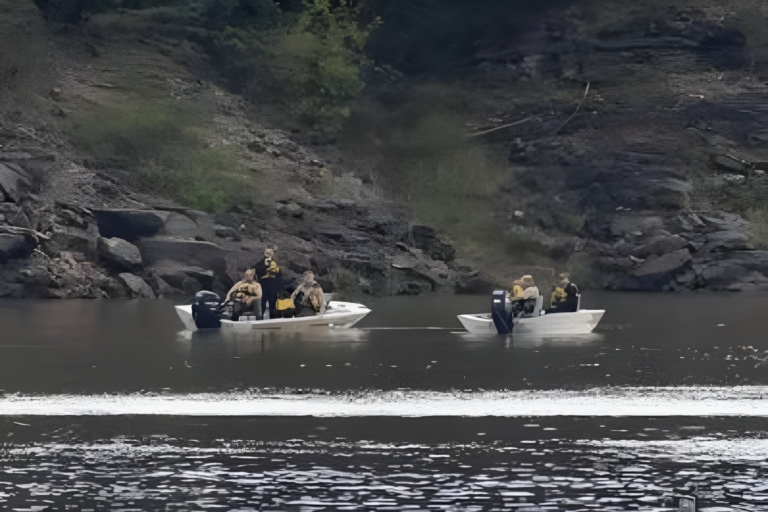
Photo credit: Instagram/webbolutionary
New digital-forensics findings from Nolan Wells’ cellphone have given his family another set of records to examine as they continue seeking answers about his death on Horn Island. At a Sept. 24 news conference, attorney Ben Crump and forensic examiner Andrew Garrett presented data they said came from an examination of Wells’ phone, including deleted messages, GPS information and communication records.
Garrett said Wells last accessed the phone at about 2:18 p.m. on July 4, the day he disappeared during a trip to Horn Island. The examination also produced location information tracking the phone’s movements. The family says the records could help clarify what happened during the period surrounding Wells’ disappearance.
The new findings come days after a Jackson County grand jury declined to bring criminal charges. The grand jury said the location and condition of Wells’ body were consistent with drowning, while both the state medical examiner and an independent forensic pathologist classified the cause and manner of death as undetermined.
Nolan phone records show deleted messages
Garrett said the forensic examination identified messages that had been deleted between Wells’ final phone activity and the point when his family recovered the device. He stressed that the examination could not determine who deleted the material or the reason it was deleted.
The examination generated hundreds of pages of communication records, much of them involving Snapchat. Garrett said a group conversation also continued to generate messages after Wells had died, meaning activity from the group was still being synchronized with his device.
Those records do not establish what happened to Wells. Instead, they provide additional digital information that his family and legal team say should be considered alongside the physical evidence and witness accounts.
Some conversations presented during the news conference involved comments about people on Horn Island. One exchange reportedly described two men in boats as appearing suspicious, while another recounted an alleged warning involving people who were described as intoxicated.
The conversations alone do not establish that anyone mentioned was involved in Wells’ death. Crump also acknowledged that the available evidence does not definitively establish that the death was racially motivated.
Autopsy findings remain unresolved
The cellphone examination is being reviewed alongside conflicting questions surrounding Wells’ autopsy findings.
The Mississippi State Medical Examiner’s report, released publicly this week, classified the cause and manner of death as undetermined. It documented contusions beneath the scalp at the back of Wells’ head but did not determine how those injuries occurred. The report also did not identify a fatal injury.
An independent examination commissioned by Wells’ family also documented blunt-force injuries to the back of his head and additional areas of his back. The independent findings likewise did not establish how the injuries occurred or whether they caused or contributed to his death.
The grand jury reviewed the evidence and declined to indict anyone. Its findings did not establish criminal conduct by people who were on the trip, while leaving the official cause and manner of death classified as undetermined.
For Wells’ parents, the cellphone evidence represents another avenue for understanding the unresolved portion of the timeline. Their legal team has called for the investigation to remain open and for a federal review of the circumstances surrounding his death.
The newly presented phone records may add detail to Wells’ final known movements, but they do not, on their own, establish how he died or who, if anyone, was responsible.
About the Author