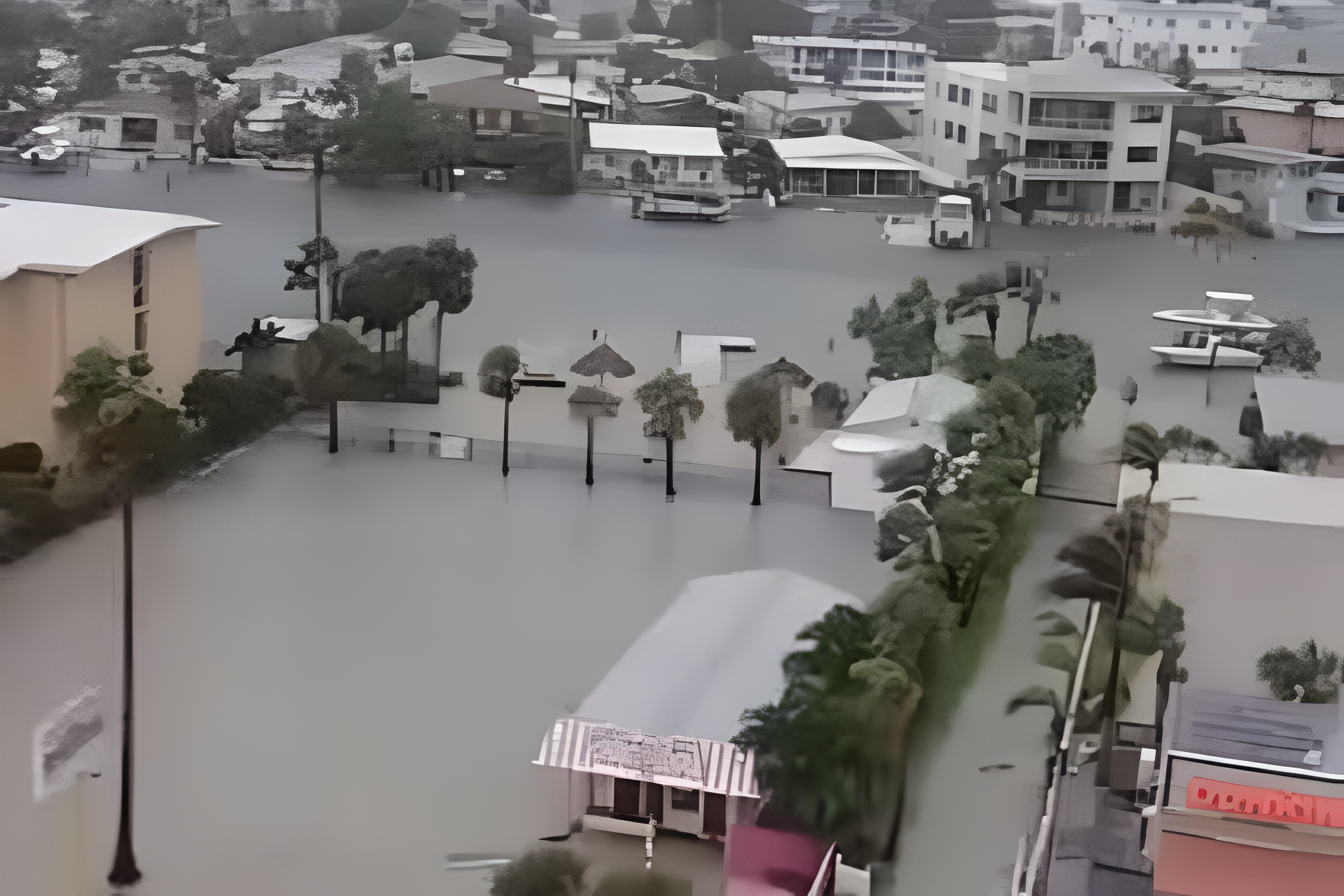
Photo credit: Instagram/baynews9
Powerful surf is battering Southern California’s coast, damaging homes in Long Beach and flooding streets in Newport Beach.
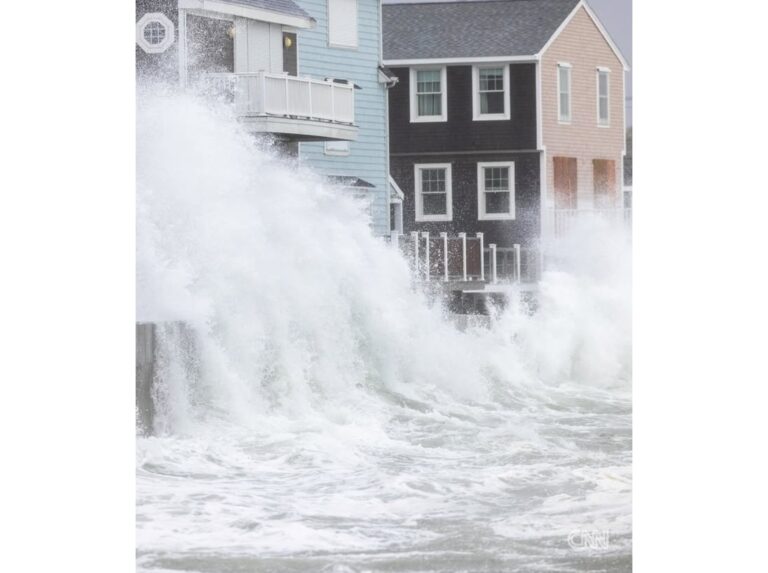
Today, waves tore through a damaged coastal barrier along the Long Beach Peninsula. Water reached nearby streets and properties as erosion continued to weaken the shoreline.
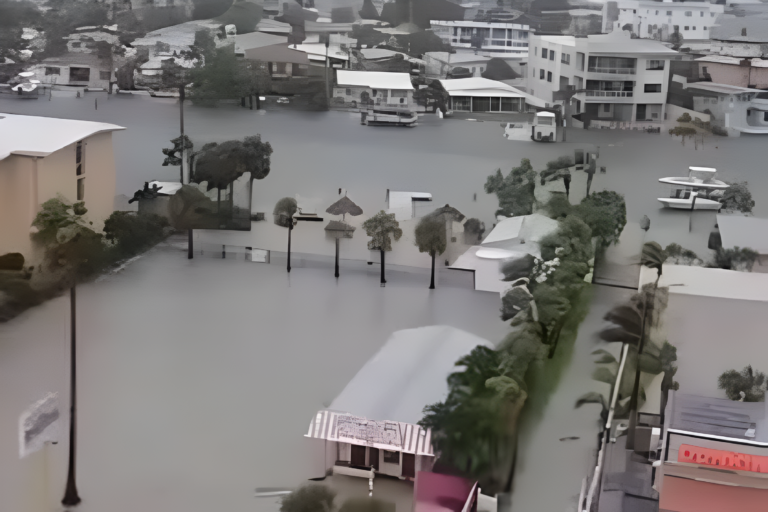
In Newport Beach, ocean water flooded parts of the Balboa Peninsula. Images showed people walking through waterlogged streets and vehicles surrounded by floodwater. The danger may not be over. Forecasters warn that higher tides and powerful surf could increase the flood risk through the weekend.
What Happened on the Long Beach Peninsula?
Waves damaged a section of the protective structure along the Long Beach Peninsula, allowing water to reach nearby homes and streets.
According to the Long Beach Post, a roughly 30-foot section of the bulkhead had suffered serious damage. Earlier waves had already removed sand from the area, leaving the structure exposed.
The latest surge worsened the damage. Streets flooded, and officials closed vehicle access near 62nd Place. City inspectors also declared several buildings unsafe to enter. One home appeared at risk of falling into the surf as erosion continued beneath the property.
The damage has raised concerns about the remaining protection along the shoreline. With sand already lost and waves continuing to hit the coast, nearby homes face further risks.
How Serious Is the Newport Beach Flooding?
Newport Beach also experienced flooding as ocean water pushed onto streets and private properties. Aerial footage showed people walking through flooded areas on the Balboa Peninsula. Some pedestrians waded through water while vehicles sat partly submerged.
The city urged residents and visitors to avoid affected areas. Officials also warned drivers not to enter flooded streets and advised them to use alternate routes.
The National Weather Service has a coastal flood advisory in effect through Tuesday, Oct. 13. Officials expect higher-than-normal tides to increase the risk, especially along south-facing beaches.
The full extent of the damage remains unclear as crews respond to the flooding.
What Is a Kelvin Wave, and Why Does It Matter?
A Kelvin wave is a broad change in ocean height that can travel along a coastline. It is different from the breaking waves people see at the beach.
In this case, forecasters are watching an ocean-height increase linked to El Niño conditions. The added water can raise the baseline sea level along the coast.
That matters because high tides and storm-driven surf can then push water farther inland. A higher starting sea level leaves coastal neighborhoods with less room to absorb another surge.
The Los Angeles Times reported that the Kelvin wave could contribute to elevated sea levels and greater coastal flooding risks. The effect may continue beyond the immediate weekend weather. The wave does not cause every flood on its own. Instead, it can make existing hazards more damaging when high tides and powerful surf arrive together.
When Could Coastal Flooding Get Worse?
Sunday is expected to bring a particularly high risk of coastal flooding. The National Weather Service has warned that tides could run about 1 to 1.5 feet above astronomical tide predictions.
The advisory covers coastal areas where high tides and surf could lead to flooding. South-facing beaches, including parts of Long Beach and Newport Beach, face particular concern.
Forecasters are also monitoring the potential for rain, stronger winds and dangerous surf into early next week. These conditions could add to the pressure on already damaged coastal areas. However, the timing and severity of any further flooding will depend on how the weather, surf and tides line up.
Is Southern California Facing a Wider Coastal Crisis?
The latest flooding highlights the risks facing communities along an eroding coastline.
Long Beach has seen protective sand disappear from parts of its shoreline. Damaged coastal barriers now leave some properties more exposed to waves. Newport Beach, meanwhile, is dealing with water reaching streets and homes during elevated tides.
The Los Angeles Times reported that forecasters are watching the combined effects of storm moisture, coastal surf and the Kelvin wave. The risks could extend across other south-facing beaches in Southern California.
For residents, the immediate concern is safety. Flooded roads can hide hazards, while damaged boardwalks, seawalls and other coastal structures may be unstable.
People in affected areas should follow local emergency alerts, avoid damaged shoreline structures and never drive through floodwater. Residents near the coast should also be prepared to move to safer ground if officials issue evacuation instructions.
With the coastal flood advisory continuing into next week, officials will be watching conditions closely as the next high tides arrive.
About the Author