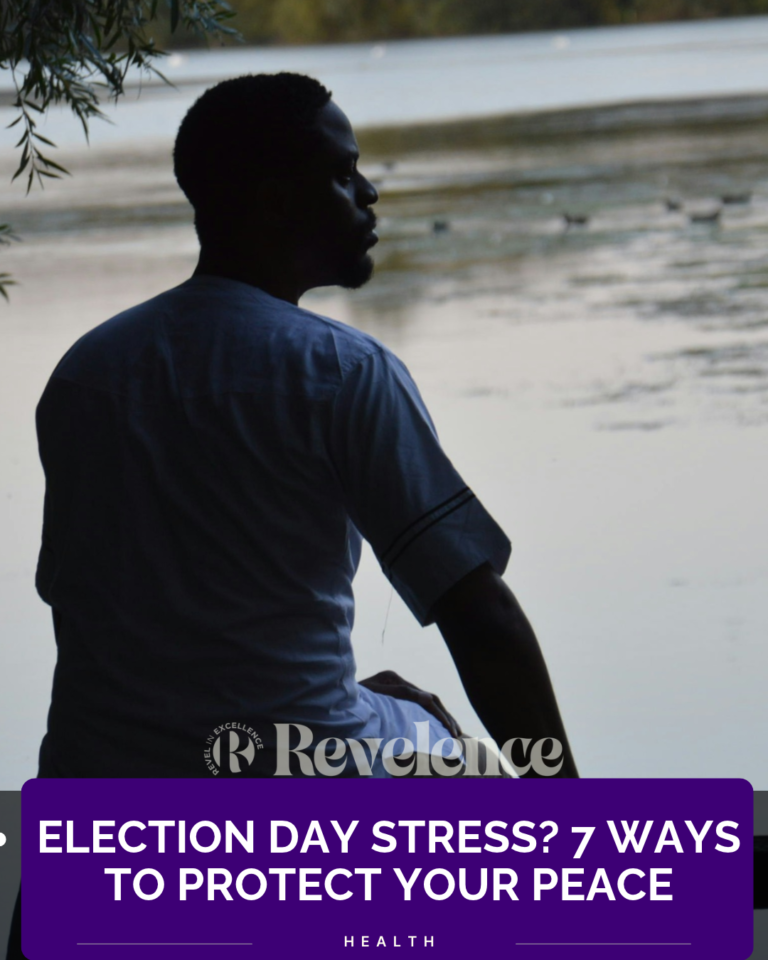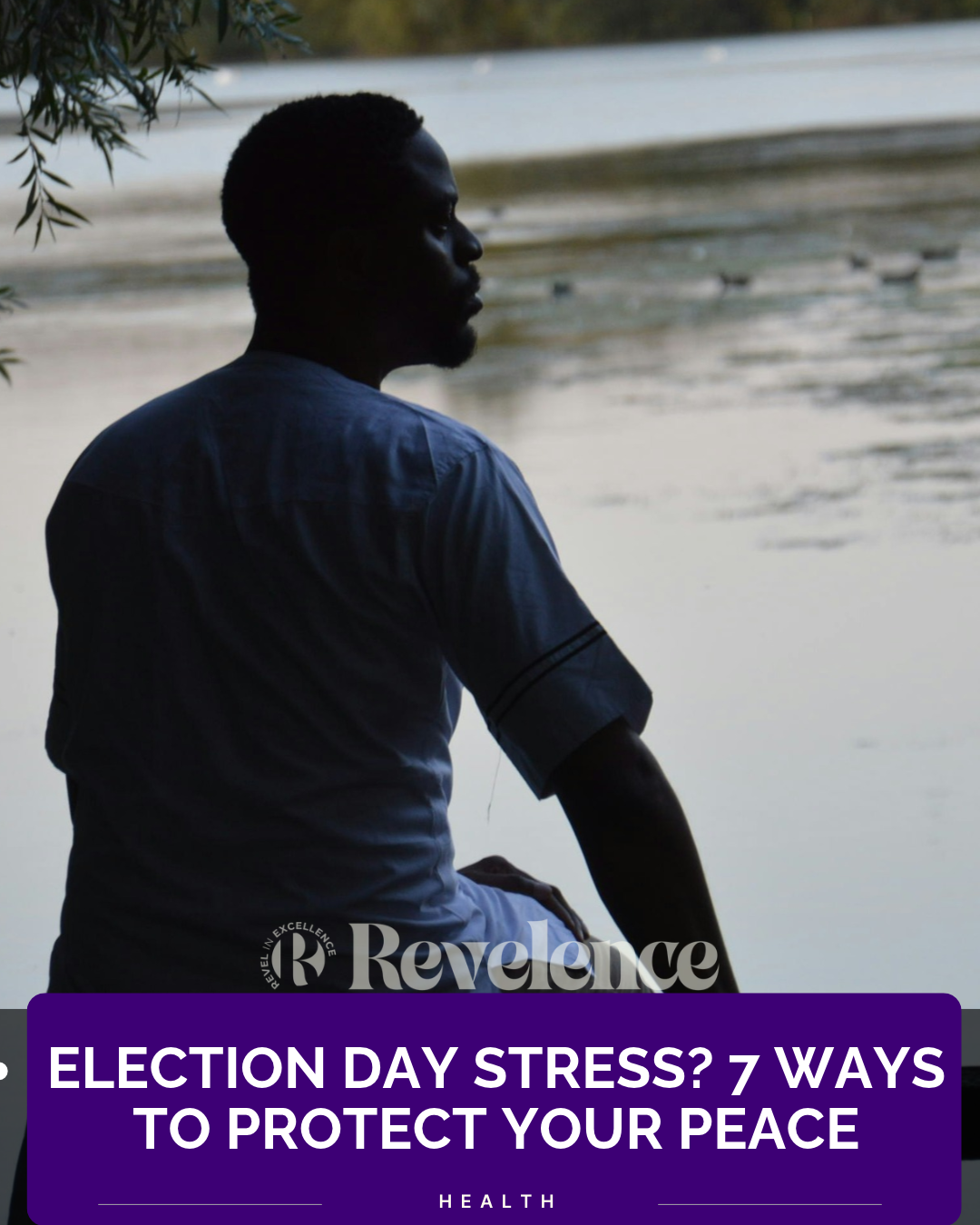
Election Day can bring more than political conversations and breaking news. For some people, it can also bring anxiety, frustration, uncertainty and emotional exhaustion.
With voters following developments throughout Tuesday, November 3, 2026, the constant flow of election coverage can become difficult to manage. Every notification, heated discussion and developing headline can create another reason to check a phone.
However, staying informed does not mean sacrificing your mental well-being. Mental health experts recommend setting limits around news consumption, taking restorative breaks and maintaining healthy daily routines.
The goal is not to ignore what is happening. It is to remain informed without allowing election coverage to consume the entire day.
Why Election Day stress deserves attention
Stress is a normal response to challenging or uncertain situations. However, prolonged stress can affect both emotional and physical well-being.
The Centers for Disease Control and Prevention (CDC) explains that stress can contribute to worry, frustration, difficulty concentrating, sleep problems and physical discomfort. Long-term stress can also worsen existing health problems.
Political developments can add another layer of pressure. The American Psychological Association (APA) advises people to recognize how political news affects them and adjust their media consumption when it begins interfering with everyday life.
Recognizing these signs can help people make healthier choices before feeling completely overwhelmed.
7 practical ways to manage Election Day stress
1. Stop checking every election update
You do not need to refresh your news feed every few minutes. Constant exposure to negative or uncertain information can increase emotional strain.
The CDC recommends taking breaks from news and social media. Consider checking trusted news sources at specific times instead of following every notification.
You can stay informed without watching every live broadcast.
2. Give yourself a screen-free break
Step away from your phone, television or computer for a short period. Use that time to eat, stretch, walk or enjoy an activity that has nothing to do with politics.
Even a brief break can give your attention a chance to recover.
The National Institute of Mental Health recommends activities such as exercise, journaling and relaxation as practical ways to manage stress and anxiety.
3. Try a simple breathing exercise
When election coverage feels overwhelming, pause and pay attention to your breathing.
The UK’s National Health Service recommends a gentle breathing exercise that can be done while sitting, standing or lying down.
Breathe in comfortably through your nose and out through your mouth. If helpful, count slowly from one to five as you breathe in and again as you breathe out.
Continue for about five minutes without forcing your breath. Stop if the exercise makes you uncomfortable.
4. Set boundaries around political conversations
Not every conversation needs to become a political debate. You can listen to other perspectives without participating in arguments that leave you upset.
If a discussion becomes uncomfortable, politely change the subject or step away.
You can also tell friends and family that you would prefer to discuss something else during meals or personal time. Healthy boundaries help protect relationships and emotional energy.
5. Keep your normal routine
Election coverage can make people lose track of ordinary activities. However, skipping meals, staying awake for updates and abandoning daily responsibilities can add to stress.
Try to maintain regular meals, movement and sleep. The CDC recommends that adults get at least seven hours of sleep each night.
You do not have to sacrifice your usual routine to follow election developments.
6. Connect with people you trust
Taking a break does not mean isolating yourself. Reach out to someone who listens without turning every conversation into an argument.
A call, shared meal or simple conversation can provide emotional support.
SAMHSA also recommends connecting with trusted people and supportive communities when managing difficult feelings.
7. Know when to seek professional support
Sometimes stress becomes difficult to manage without additional help. Pay attention if anxiety, sleep problems or persistent worry begin interfering with daily activities.
The National Institute of Mental Health advises seeking professional help when symptoms persist, interfere with everyday life or cause someone to avoid normal activities.
A licensed mental health professional can help identify what is happening and recommend appropriate support.
Taking a break does not mean checking out
Election Day matters, but so does your well-being. You can follow verified developments, participate in civic conversations and remain aware of important decisions without giving every headline your attention.
The CDC, APA and other health organizations encourage practical habits that support emotional health. These include taking breaks, maintaining routines, connecting with others and recognizing personal limits.
Give yourself permission to step away when you need to. You can return to the news later with a clearer mind.
Protecting your peace does not require ignoring the world. It means making room for your health while staying connected to it.
Source: CDC
About the Author