Photo credit: Reuters/Youtube
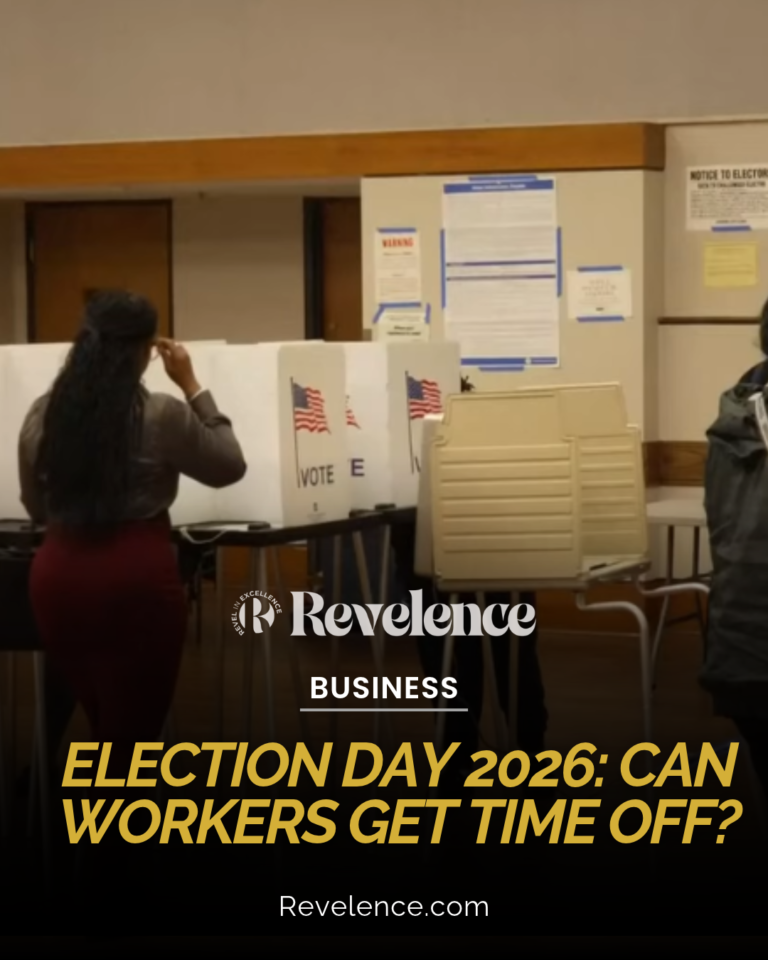
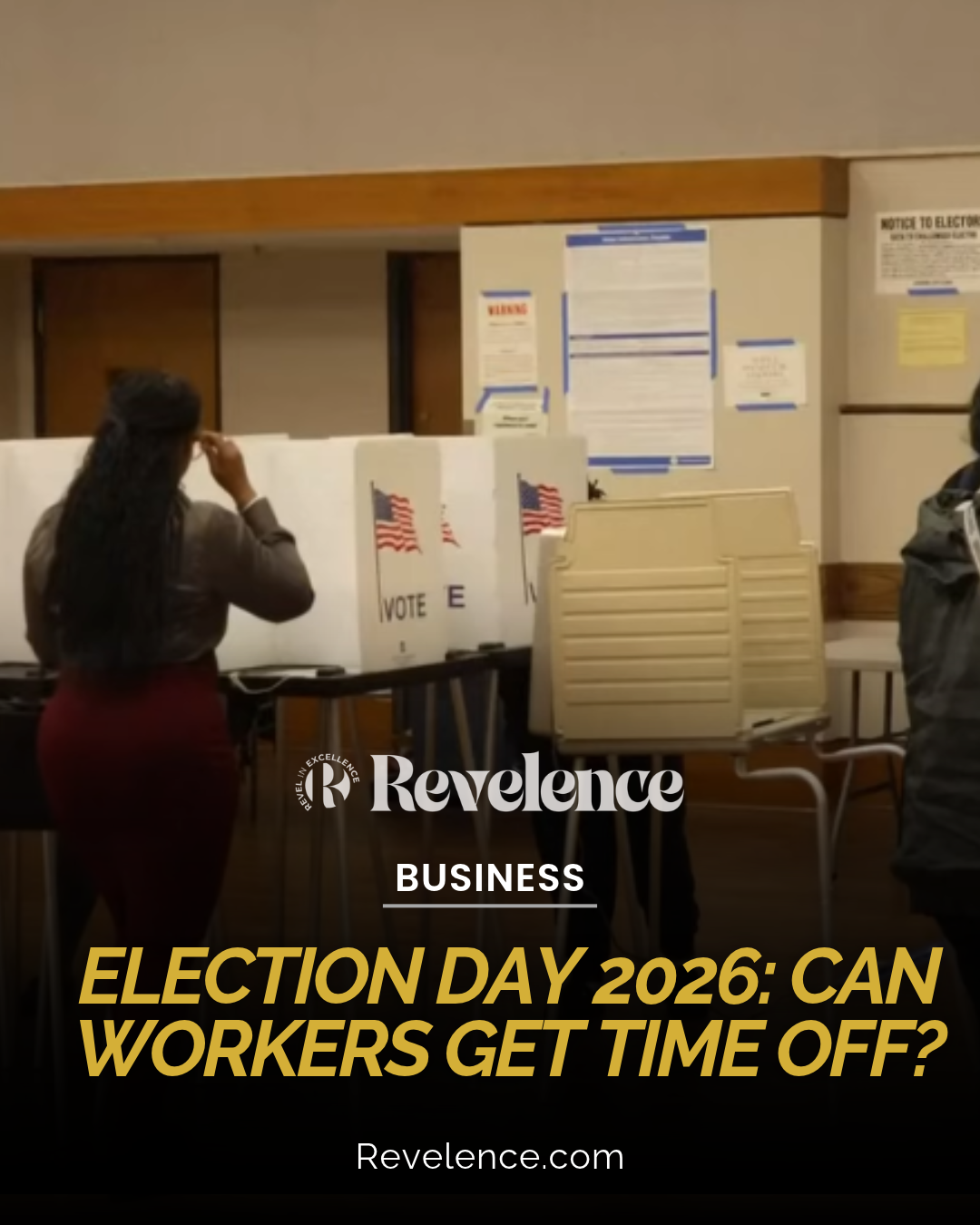
Election Day can create a scheduling challenge for employees who need to work and vote. Some workers may have enough time to visit their polling place before or after their shifts. Others may need to request time away from work.
However, employees should not assume that every American worker qualifies for paid voting leave. The rules depend on the state, and the amount of time available can vary.
Tuesday, November 3, 2026, is the scheduled federal general election date. Before making workplace arrangements, employees should check their state’s official guidance and understand what their employers must provide.
Voting leave laws vary by state
There is no general federal requirement that private employers provide workers with time off to vote. Instead, state laws determine whether employees qualify for voting leave and what conditions apply.
A review of workplace voting laws shows significant differences across the country. Some states require employers to provide paid time off. Others provide unpaid leave or set specific conditions before employees can request time away.
The rules may also depend on an employee’s work schedule. Some states only require leave when workers do not have enough consecutive nonworking hours to vote while polling locations are open.
For example, California allows eligible employees to take time off when their work schedules do not provide enough time to vote outside working hours. The state permits up to two hours of paid leave. Employees must also provide advance notice under the applicable rules.
This example does not represent the law in every state. Workers should confirm the requirements where they live and work.
Check your state’s official voting leave rules
The first step is to identify the state agency responsible for administering elections. The U.S. Election Assistance Commission provides a state-by-state resource with links to election offices and voting information.
Employees can also use the Federal Election Commission’s directory of state election offices. These resources help voters locate official government websites rather than relying on social media posts or outdated workplace information.
However, an election office may not answer every employment-law question. Employees should also check their state’s labor department or official state statutes for rules covering voting leave.
Before requesting time off, confirm whether the law requires advance notice. Check how many hours an eligible employee can take and whether the employer must pay for that time.
Some states allow employers to determine when the leave happens. Others have specific requirements about scheduling. Employees should review these details before making assumptions about their rights.
What employees should ask their employers
Once employees understand their state’s rules, they can speak with their supervisors or human resources departments.
A few practical questions can help clarify workplace arrangements. Does the company have a voting leave policy? Does the state require paid or unpaid time away? How far in advance must employees submit a request?
Workers should also ask whether the employer requires a particular form or proof of voting. Some state laws include documentation requirements, while others do not.
Employees should keep written records of requests and responses. This can help prevent misunderstandings about approved schedules and applicable workplace policies.
Election Day is not a federal holiday
Another important detail is that Election Day is not a federal holiday. Therefore, employees should not automatically expect businesses to close or employers to suspend regular work schedules.
Some companies may voluntarily adjust their hours or provide additional flexibility. Others may continue normal operations while following applicable state requirements.
Workers should distinguish between an employer’s voluntary policy and a legal requirement. A company offering paid voting leave does not mean every employer across the country must offer the same benefit.
Verify information before sharing it
Election-related workplace information can spread quickly online. However, a post claiming that every American worker receives two paid hours to vote may leave out important state-specific conditions.
Employees should verify such claims through official government sources. The U.S. Election Assistance Commission, state election offices and state labor agencies can help direct people to the relevant rules.
Ultimately, knowing the law before Election Day can help workers plan their schedules and communicate with employers. Checking official state guidance is the most reliable way to understand whether voting leave applies and what conditions employees must meet.
About the Author