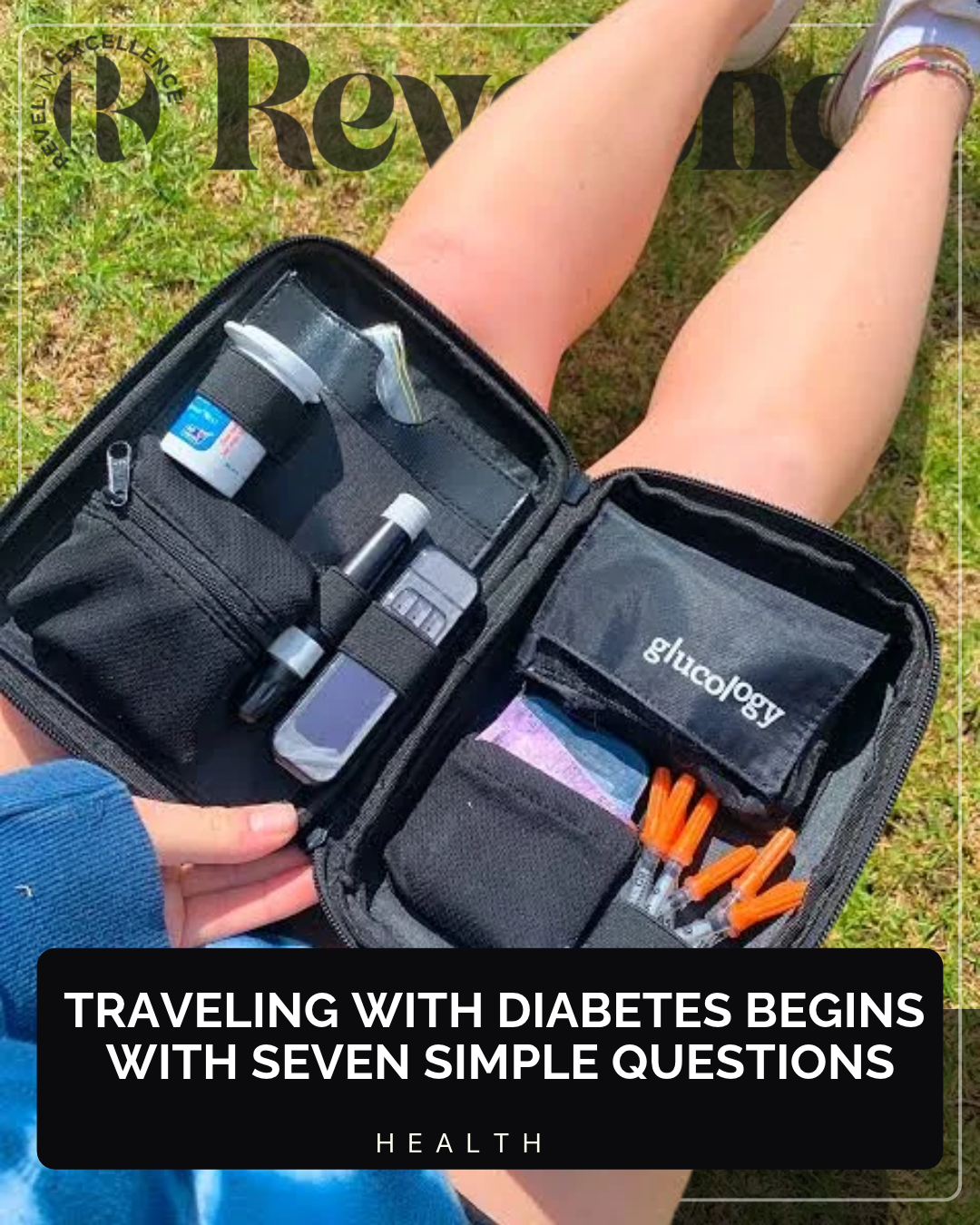
Photo credit: facebook/Addy Tayler T1D
Travelers with diabetes can settle most worries before departure by answering seven questions. They cover the doctor’s plan, packing, insulin storage, airport security, time zones, low blood sugar and help abroad. Each takes only minutes.
The stakes are real. More than 38 million Americans have diabetes, according to the CDC, and a trip changes sleep, meals, activity and time zones all at once. The agency advises seeing a provider four to six weeks before international travel.
Plan with your clinician first
First, talk with the care team. A provider can explain how doses may shift across time zones and what to do on sick days. They can also discuss vaccines and write a letter listing your medications, insulin, devices and supplies. That letter can speed up security and customs checks. This article offers general guidance, so your own plan should come from your clinician.
Pack supplies for diabetes with backups in mind
Pack about twice the insulin, medication and testing supplies you expect to use. Keep everything in your carry on bag, because checked luggage can get lost or freeze in the cargo hold. Bring spares too, such as sensors, adhesive, batteries, chargers and a pen or syringes if you use a pump. Original labeled packaging helps at every checkpoint.
Insulin needs care as well. Unopened insulin usually belongs in the refrigerator. Insulin in use generally stays at room temperature for about 28 days, though labels vary. Heat and direct sunlight can harm it, so use an insulated case and keep ice packs from touching the vial. A hot car or beach bag is a poor spot.
What to expect at airport security
The TSA allows insulin, syringes, pumps, glucose monitors, juice and glucose tablets at checkpoints. Medically necessary liquids can exceed the usual size limit. Declare your supplies at the start and keep them within reach. Some device makers advise against full body scanners and CT machines, so many travelers ask for a pat down instead. Check the TSA website before you fly, since rules can change.
Time zones, meals and low blood sugar
Crossing time zones changes when insulin and meals should happen. The adjustment differs for travel east or west and for pump users, so ask your provider for specific instructions.
Meanwhile, check glucose more often and carry snacks for delays. Keep fast acting carbohydrate close, such as 15 grams of glucose tablets, plus glucagon if prescribed. Travel companions should know how to use it. After a low, general guidance calls for 15 grams of carbohydrate and a recheck 15 minutes later. During illness, keep drinking fluids and call your doctor.
Backup plans for diabetes abroad
Travel insurance that covers existing conditions and medical evacuation deserves a look. Also find clinics and pharmacies near your stay. Brand names differ by country, so learn the generic names of your medicines. Insulin strength can vary too. Save local help numbers and wear medical identification.
Finally, treat foot care as part of the plan. Check your feet daily, wear comfortable shoes and skip bare feet, even at the beach. Seek medical care right away for severe lows, confusion or fainting.
About the Author