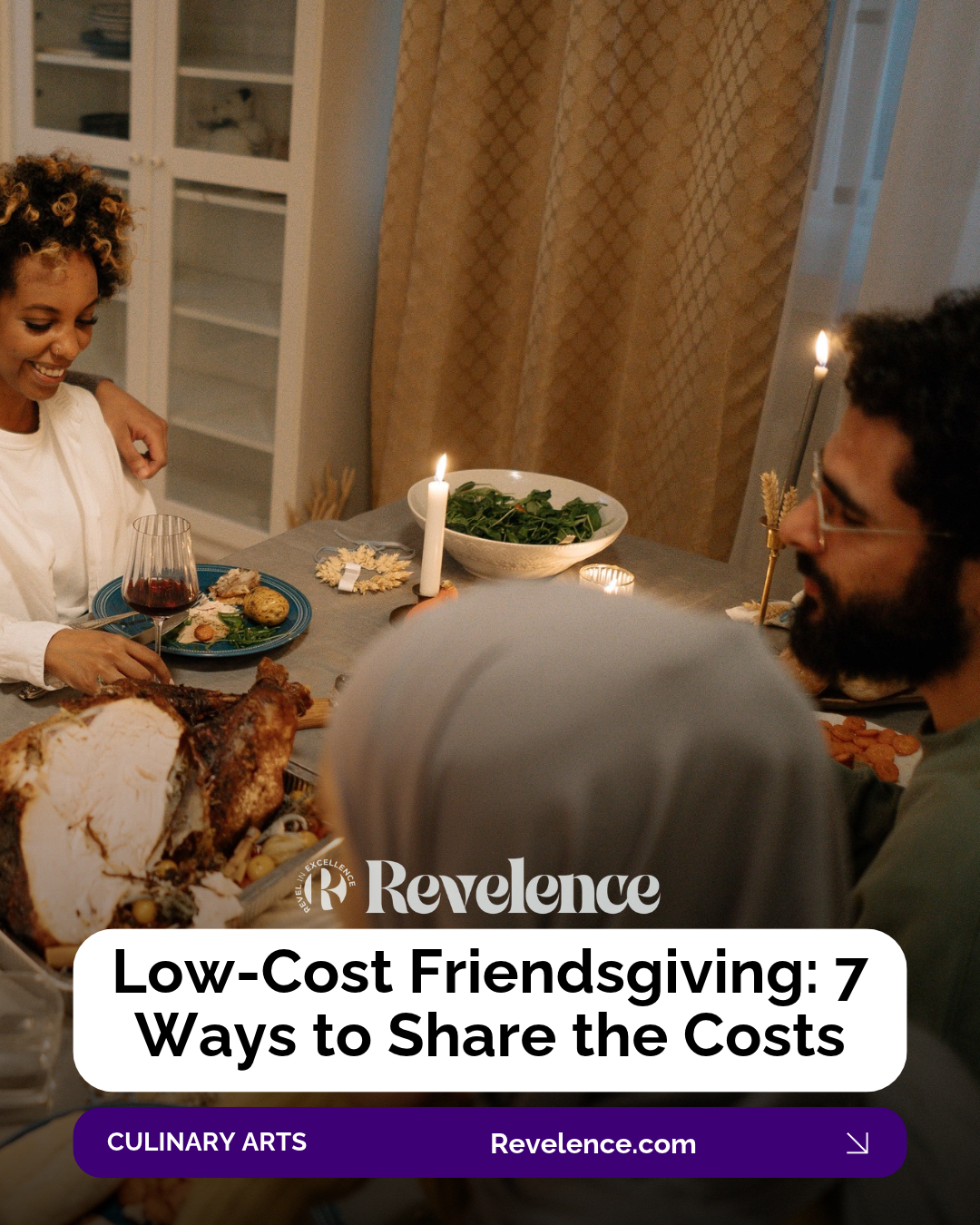
Friendsgiving should bring people together, not leave one person paying for everyone’s food, drinks and decorations. Yet hosting a holiday gathering can become expensive when guests assume the host will handle every detail.
A low-cost Friendsgiving does not require an elaborate menu or expensive decorations. It requires a realistic budget, honest communication and shared responsibilities.
Instead of asking one person to cover the entire celebration, divide the expenses and give every guest a practical way to contribute. This approach can make the gathering more affordable while keeping the focus on friendship.
Set a budget before planning the menu
Start by deciding how much everyone can comfortably contribute. Agree on the spending limit before choosing the food, venue or decorations.
For example, imagine a Friendsgiving gathering for eight people with a total budget of $160. If everyone contributes equally, each person pays $20.
The host can share the proposed budget in the group chat so guests understand how the money will be used.
Illustrative Friendsgiving budget for eight people
| Expense | Estimated cost |
|---|---|
| Main dish | $45 |
| Side dishes | $35 |
| Drinks | $20 |
| Dessert | $20 |
| Disposable plates and napkins | $10 |
| Basic decorations | $10 |
| Extra supplies | $10 |
| Total | $150 |
Illustrative contribution: $18.75 per person.
These figures are planning examples, not current grocery prices. Actual costs will depend on the location, menu, store and number of guests.
The remaining $10 can stay as a small cushion for unexpected expenses. If the group does not use it, guests can agree to return the money or put it toward another gathering.
Share the food instead of buying everything
A potluck-style Friendsgiving can reduce the host’s expenses significantly. Each guest brings one agreed item rather than expecting the host to prepare the entire meal.
However, coordination matters. Without a plan, everyone may bring desserts while the main meal remains unfinished.
Create a simple menu and assign dishes based on the number of guests. For example, one person can bring the main dish, two guests can handle side dishes, another can bring dessert and someone else can provide drinks.
Ask guests about allergies and dietary preferences before finalising the menu. Also, confirm portion sizes so there is enough food without unnecessary leftovers.
If someone cannot cook, they can contribute drinks, ice, serving supplies or money toward shared groceries.
Use a simple Friendsgiving task list
Money is not the only way guests can contribute. Sharing responsibilities prevents the host from spending the entire day shopping, cooking and cleaning.
A sample task-assignment list for eight guests could look like this:
| Person | Responsibility |
|---|---|
| Host | Provide the gathering space and coordinate the plan |
| Guest 1 | Prepare the main dish |
| Guest 2 | Bring a vegetable side |
| Guest 3 | Bring a second side dish |
| Guest 4 | Provide dessert |
| Guest 5 | Bring drinks and ice |
| Guest 6 | Provide plates, napkins and utensils |
| Guest 7 | Help with setup and cleanup |
The assignments can change depending on everyone’s availability and budget.
The host should also make it clear whether guests are expected to bring food, contribute money or volunteer their time. Avoid assigning multiple expensive responsibilities to one person.
Keep decorations simple and affordable
A welcoming Friendsgiving does not need expensive table settings.
Use items already available at home, such as reusable plates, glasses, tablecloths and serving dishes. A few candles, seasonal leaves or a simple handwritten menu can create a festive atmosphere without increasing the budget significantly.
Ask guests to bring decorations they already own if they want to contribute. Avoid buying items that will only be used once unless they fit comfortably within the agreed spending limit.
The goal is to create a comfortable space where everyone can enjoy the gathering.
Make cost-sharing conversations comfortable
Money conversations can feel awkward, especially among friends. However, communicating expectations early can prevent misunderstandings.
Send a message explaining the budget, contribution amount and assigned responsibilities before anyone starts shopping.
Guests should also have room to say when a contribution is beyond their budget. Offer alternatives, such as bringing a side dish, helping with cleanup or assisting with setup.
Do not assume everyone has the same financial circumstances. A successful gathering should not pressure anyone into spending money they cannot afford.
If the group decides to split shared grocery expenses, keep receipts and provide a simple breakdown. Transparency helps everyone understand what they are paying for.
Plan cleanup before the celebration
Cleanup is another responsibility that can fall unfairly on the host.
Agree on a simple plan before the event begins. Guests can help collect dishes, pack leftovers, wipe surfaces and take out rubbish.
Use labelled containers so everyone can take home their leftovers. This also reduces food waste and prevents the host from managing all the remaining food alone.
A shared cleanup plan makes the gathering easier to enjoy from beginning to end.
Make Friendsgiving about friendship, not spending
A memorable Friendsgiving does not depend on an expensive menu or elaborate decorations. It depends on people showing up, contributing fairly and enjoying time together.
Set a realistic budget, share the food responsibilities and make room for guests to contribute in different ways. When everyone understands the plan, one person does not have to carry the financial and practical burden alone.
The best Friendsgiving is one where everyone feels welcome, appreciated and included.
About the Author