Photo courtesy of SCORE.Com
Small shops pick payment tools based on three things, which are convenience, fees and what happens to customer data. Debit cards, credit cards and digital wallets all complete a sale, but each one carries a different cost and a different set of duties for the owner.
What customers want at the register
A PYMNTS Intelligence report found that nearly 47% of consumers use debit cards because they are convenient. Digital wallets show up more often for less routine buys. One quarter of respondents used a wallet for travel, while only 1 in 10 used one for groceries.
Credit cards win on rewards. Two in 5 respondents said they use credit for rewards or cash back, compared with one quarter who chose it for convenience.
WalletHub analyst Chip Lupo told CX Dive that debit suits small everyday purchases. Money leaves a linked checking account directly, which makes budgeting simpler and keeps debt away.
His research found that lower income shoppers use debit nearly twice as often as higher income shoppers. He added that wallets remove the need for a physical card and add protections such as encryption and tokenization.
What each payment tool costs a small shop
Fees turn convenience into a line item. Salesforce notes that credit cards typically charge 2% to 3% per transaction, while bank transfers may cost less but take longer. Flat rate processors publish exact numbers.
On its free plan, Square lists 2.6% plus 15 cents for in person payments and 3.3% plus 30 cents for online and invoice payments. Manually entered cards cost 3.5% plus 15 cents. Paid plans lower those rates, and reports say the online rate rose in January 2026, so confirm today’s numbers on the processor’s pricing page.
The fixed part of the fee matters on small tickets. On a $5 sale, the in person fee comes to 28 cents, an effective rate near 5.6%. Shops with many small sales feel that more than shops with fewer large ones.
Customer data a shop handles
Square’s help pages say customer information is encrypted on its way to Square servers, and card details are encrypted in the reader at the moment of the transaction. The company also says sellers who use Square for all storage, processing and transmission of card data do not need to validate PCI compliance for those transactions. Salesforce lists compliance with the Payment Card Industry Data Security Standard as a key test of any provider.
Data duties do not stop there. Square publishes a privacy notice that explains how it handles personal information from a seller’s customers when it processes payments on the seller’s behalf. Owners should read the notice of any processor they consider. They should also review what the shop keeps on its own, such as email lists, saved cards and receipts.
How to choose the right mix
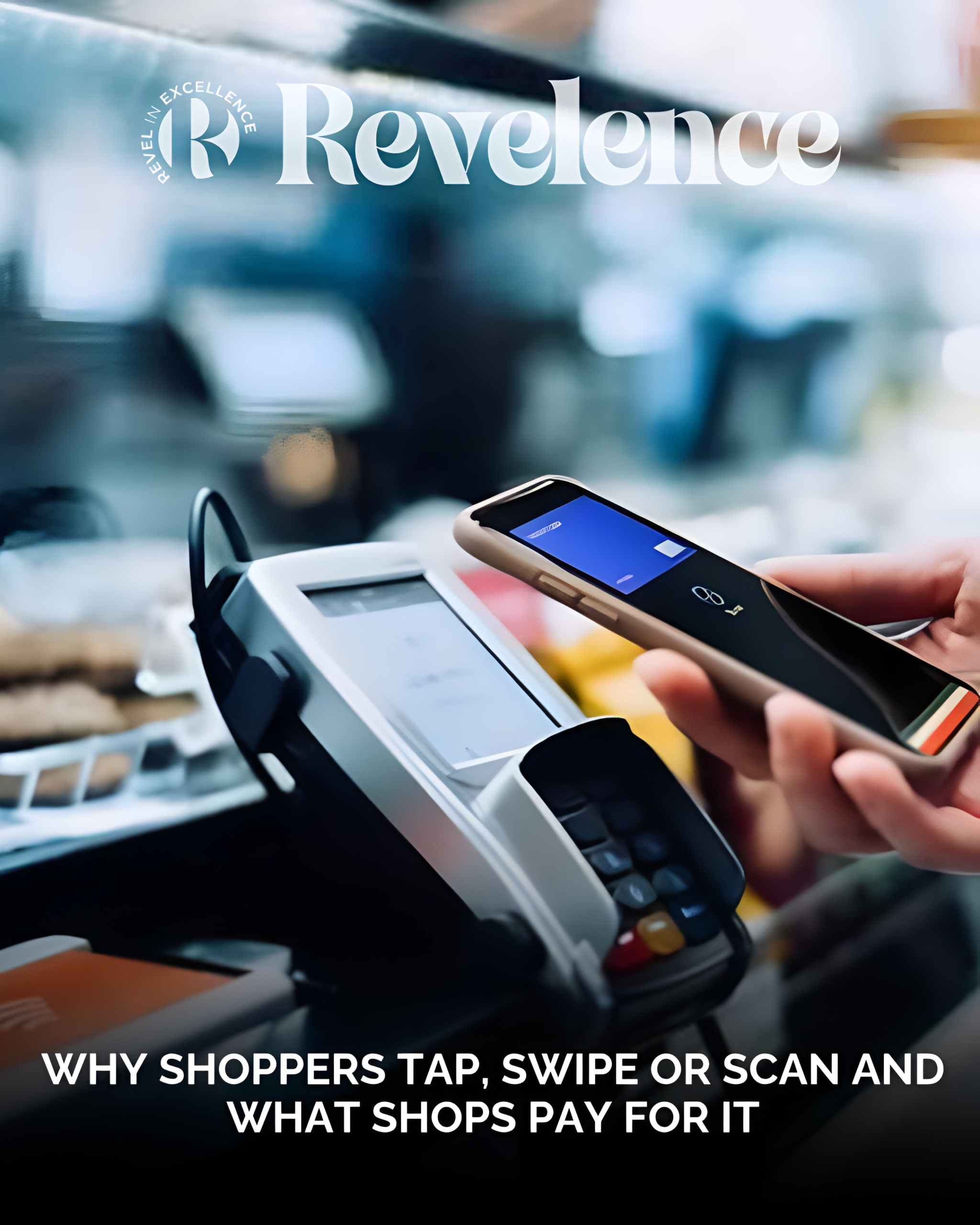
Salesforce suggests weighing customer demand, industry norms, fees, security, ease of setup and room to grow. It also recommends testing on mobile and offering guest checkout and saved methods for returning shoppers. Lupo says shops can make wallets easier by simplifying checkout, supporting tap and QR codes and explaining security.
Owners who want a first hand view can start with three questions. Which tool do customers ask for most, what does the monthly statement show in fees, and what customer data does the shop store.
About the Author