Photo credit: Barack Obama (Instagram)
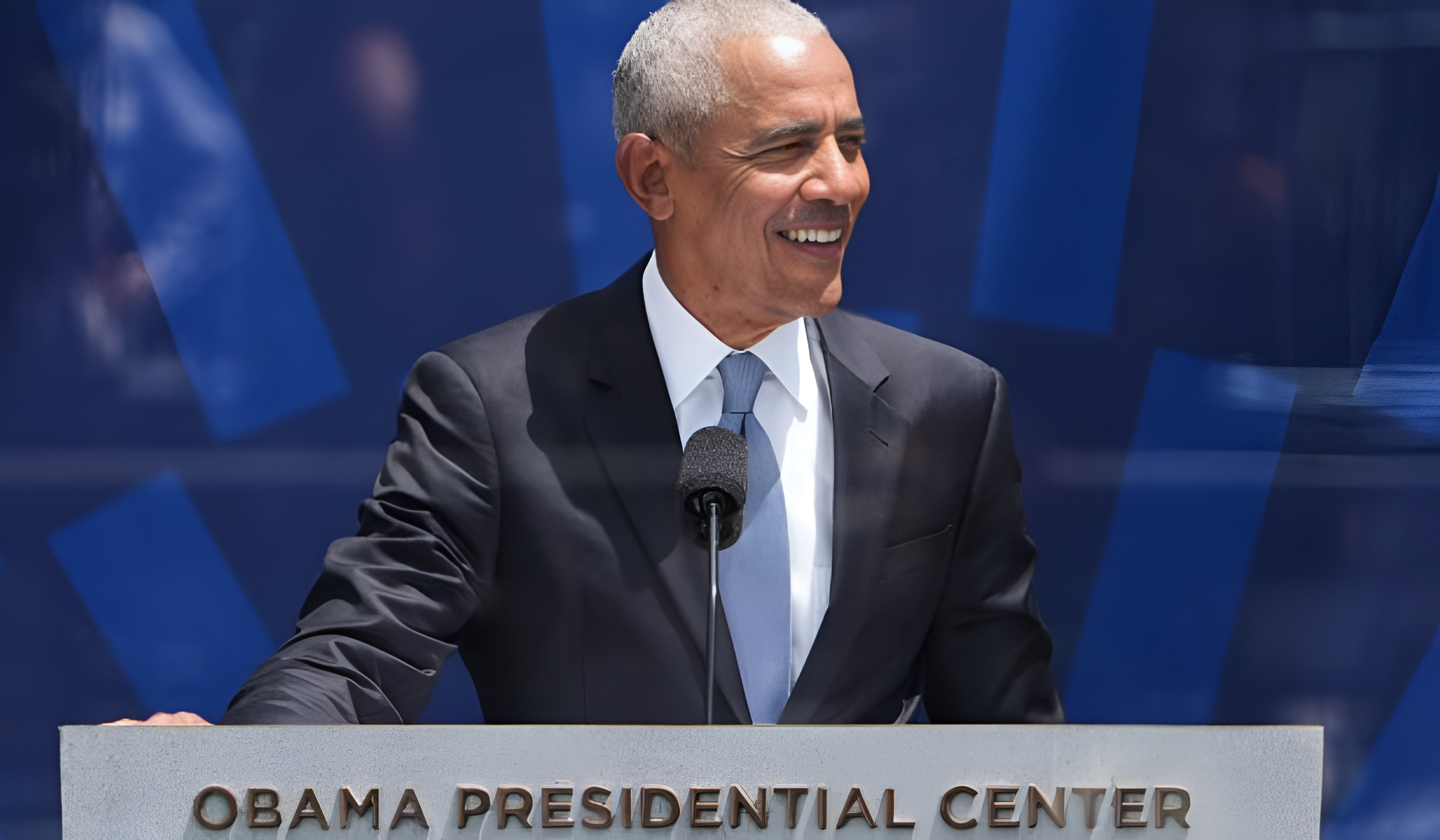
Barack Obama has never been short on perspective, but a recent conversation with former NBA player Matt Barnes gave the world one of his most personally revealing moments on race and identity yet.
Barnes, who is biracial with Black and Italian heritage, sat down with the former president in June for a wide-ranging conversation that eventually turned deeply personal. He asked Obama whether there was a moment he realized that regardless of how he identified, the world would simply see him as a Black man. It was a pointed question, the kind that could have drawn out a familiar narrative of exclusion or quiet pain. Obama went somewhere else entirely.
How Hawaii shaped Obama’s early sense of identity
Obama spent much of his childhood in Honolulu, born to a white anthropologist from Kansas and a Kenyan economist father who was largely absent during his upbringing. He described Hawaii as a place where difference was the norm rather than the exception. The island’s mix of Hawaiian, Chinese, Japanese and white communities meant nearly everyone carried some form of mixed heritage. Nobody pushed anyone to choose a single identity. The pressure to belong to one racial box, the kind that might exist in a place like Chicago, simply was not there.
His mother, despite raising him largely on her own, made sure Obama absorbed pride in his father. She spoke of his brilliance consistently, and his grandparents reinforced that same message. The result was a child who did not carry shame about who he was or where he came from. Still, reality had its own timeline. As Obama put it, the moment you show up somewhere, someone looks at you and sees a Black man. Hawaii could soften the edges of that truth, but it could not erase it entirely.
Why moving to the mainland changed everything for Obama
When Obama moved to the continental United States, the grace period ended. He found himself navigating a far more rigid set of expectations about what Blackness was supposed to look like, sound like and feel like. He admitted going through a phase of trying to fit into someone else’s definition, including a rebellious stretch that involved getting high and mocking a college friend for being too polished and too proper, in the vein of Carlton Banks from The Fresh Prince of Bel-Air, before that character had even been created.
A friend from East St. Louis eventually called him out on that behavior. The correction, as Obama described it, was a good one. It reminded him that performing a version of Blackness that was not truly his own was its own kind of dishonesty.
The realization that reshaped how Obama saw identity
By the time he was nineteen or twenty, Obama said he had worked something out that took many people decades longer to reach. There is no one way to be Black. That realization became foundational, not just to his sense of self but to how he moved through the world politically, culturally and personally for the decades that followed.
Why this Obama moment resonates now
For a generation already deep in conversations about biracial identity, code-switching and the elasticity of cultural belonging, Obama’s reflection is not just nostalgic. It is validating. Gen Z has been having this conversation loudly and largely without institutional support. A former president naming the very tension they navigate daily, then resolving it with clarity rather than grief, adds a weight to the conversation that is difficult to manufacture on purpose.
Blackness was never a monolith. Obama knew that at twenty. The broader culture is still catching up.
About the Author