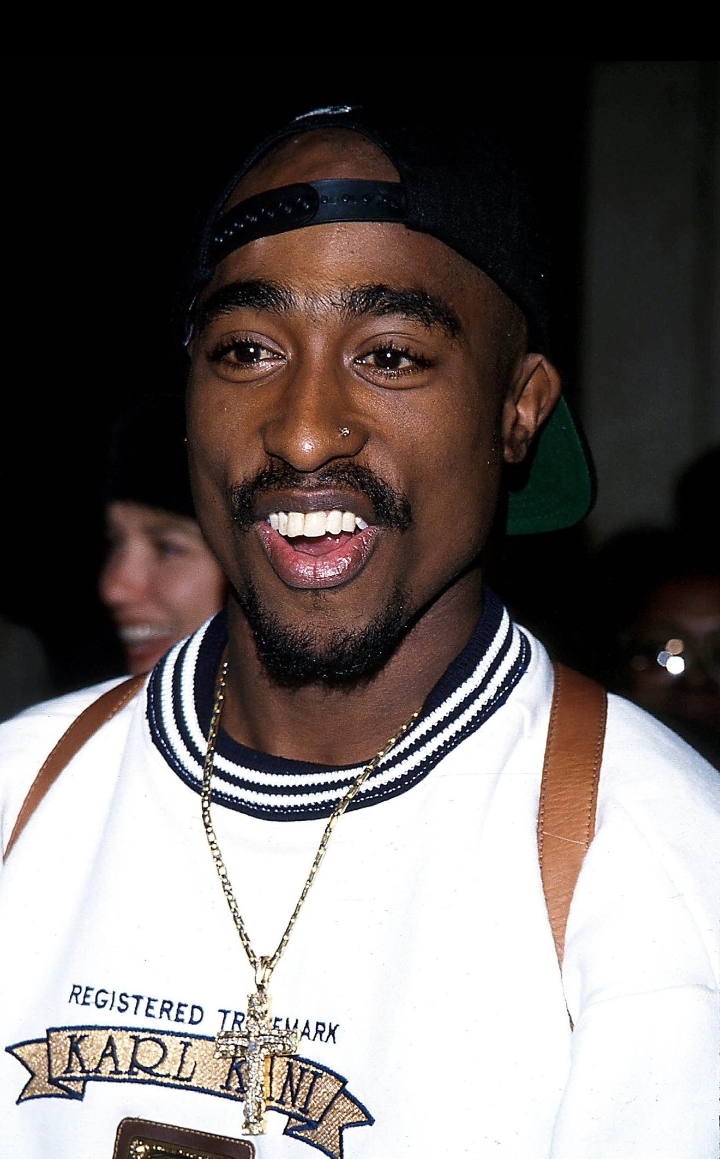
Photo credit: Tupac (X)
The Tupac murder trial is finally getting underway nearly three decades after the rapper was killed in a Las Vegas drive-by shooting.
Duane “Keffe D” Davis, 63, is accused of orchestrating the September 1996 attack that left Tupac Shakur dead. Davis faces one count of murder with a deadly weapon.
He has pleaded not guilty.
If convicted, Davis could face life in prison without the possibility of parole.
Tupac Murder Trial Focuses on Alleged Retaliation
The case centers on a violent confrontation that happened hours before Tupac was shot.
On Sept. 7, 1996, Tupac attended a Mike Tyson boxing match at the MGM Grand in Las Vegas. After the fight, Tupac and members of his entourage confronted Orlando “Baby Lane” Anderson.
Anderson was Davis’ nephew and a member of the South Side Compton Crips.
Hotel surveillance footage captured the confrontation.
Later that night, Tupac and Death Row Records executive Marion “Suge” Knight traveled toward a nightclub. Tupac was sitting in the passenger seat of Knight’s black BMW.
While the vehicle stopped at a red light, a white Cadillac pulled alongside it.
Gunfire followed.
Tupac was struck several times. Knight was also wounded but survived.
Tupac died from his injuries on Sept. 13, 1996. He was 25 years old.
Prosecutors allege Davis helped coordinate the shooting as retaliation for the earlier confrontation involving his nephew.
Why Did the Tupac Case Take So Long?
The investigation remained unresolved for years.
Authorities collected evidence after the shooting. However, investigators reportedly struggled to get witnesses to cooperate.
Meanwhile, several people connected to the case died in unrelated violence.
One of them was Yafeu Fula, also known as Yaki Kadafi. The rapper was part of Tupac’s entourage and was reportedly in another vehicle during the shooting.
Fula was fatally shot in New Jersey in November 1996.
Anderson was also killed in a 1998 gang-related shooting. He had denied involvement in Tupac’s death.
As a result, Davis became one of the few surviving people who were inside the Cadillac that night.
Davis’ Memoir Could Play a Major Role
Davis’ own public statements are central to the prosecution’s case.
In his 2019 memoir, Compton Street Legend, Davis described events surrounding the shooting.
Prosecutors say the book contains details that support their argument that Davis helped organize the attack.
Davis wrote that he obtained a handgun before the shooting. He also described being inside the Cadillac when it pulled alongside Tupac and Knight.
However, he did not identify the person who fired the fatal shots.
That distinction could become important during the trial.
Prosecutors do not necessarily have to prove that Davis pulled the trigger. Instead, they are seeking to establish that he orchestrated the attack.
Police Interview Also Returns to Court
A 2008 interview with law enforcement is another key piece of evidence.
During that interview, Davis discussed the night Tupac was shot. He described seeing Tupac and Knight before the Cadillac pulled alongside their vehicle.
Davis also reportedly described Anderson opening fire.
His defense team tried to prevent prosecutors from using the interview at trial.
The defense argued that the interview was connected to a federal task force investigation. They also argued that Davis believed his statements would remain confidential.
However, Nevada Judge Carli Kierny ruled in late July that the interview could be admitted.
The ruling cleared another major hurdle for prosecutors.
Defense Challenges Davis’ Statements
Davis’ attorneys have also questioned the reliability of his memoir.
His defense team argued that the book was coauthored. Therefore, they questioned whether every detail could be attributed directly to Davis.
The defense also argued that portions of the memoir were fictionalized.
Still, prosecutors successfully fought to use Davis’ previous statements.
The evidence could now become a major part of the Tupac murder trial.
What Could the Trial Reveal?
The trial may answer some long-standing questions about the events surrounding Tupac’s death.
However, it may not definitively establish who fired the bullets that killed the rapper.
Davis is accused of orchestrating the attack. He is not specifically charged with being the shooter.
That means prosecutors will focus heavily on Davis’ alleged role in planning the retaliation.
The case also highlights the long-running tensions between rival gangs connected to the West Coast and East Coast hip-hop scenes during the 1990s.
Tupac’s death became one of music history’s most enduring mysteries.
His influence has continued decades after his death. His music remains widely celebrated, while his murder has continued to fuel theories and speculation.
Now, after nearly 30 years, the case is finally headed to trial.
Source: Yahoo News
About the Author