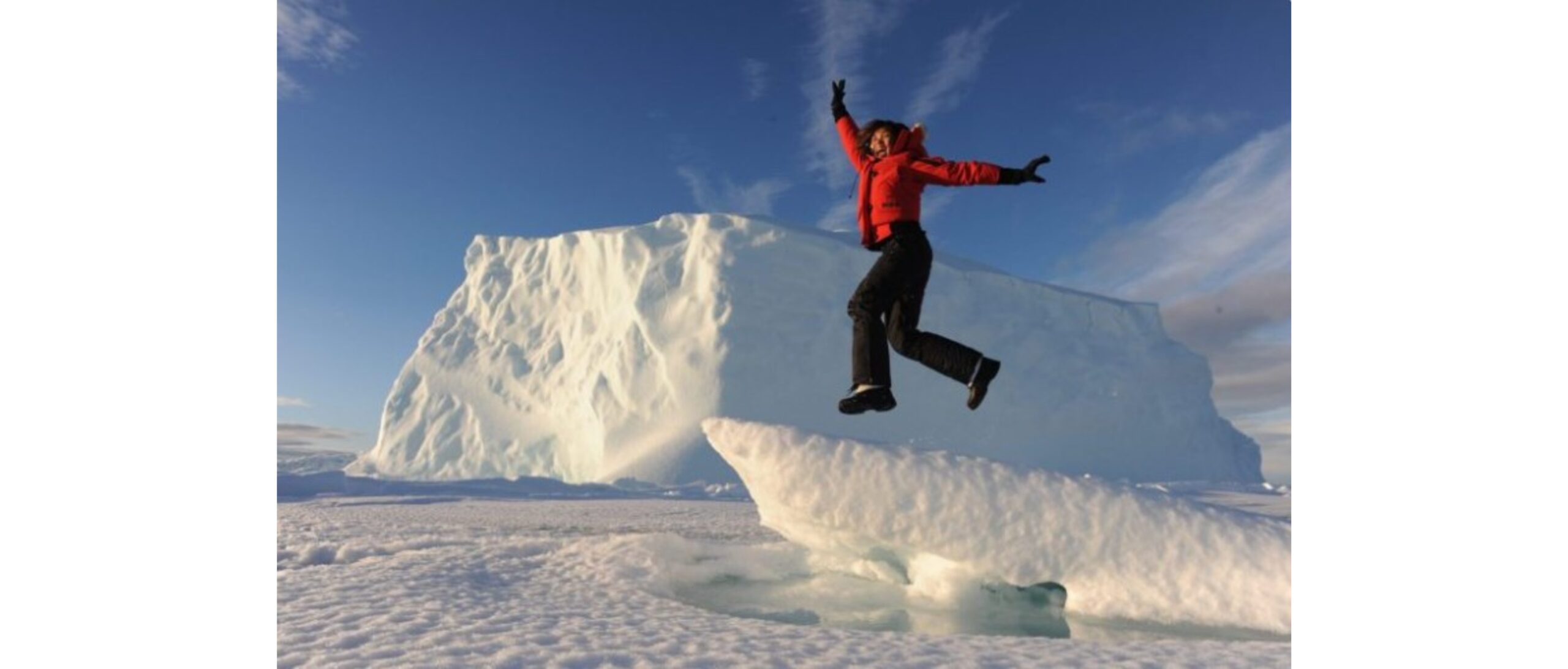
Photo credit: Arctic Kingdom
Interest in Arctic travel is growing as more Americans rethink their vacation plans for 2027.
While many travelers are choosing to stay closer to home, the Arctic is attracting more attention. Interest in Road Scholar’s Arctic programs reportedly more than quadrupled between 2023 and 2025.
The trend suggests that travelers are looking beyond traditional vacation destinations and seeking colder, more remote experiences.
Arctic travel is gaining momentum
The Arctic has become an increasingly popular option for travelers looking for something different.
Instead of choosing familiar beach destinations or major cities, some Americans are showing more interest in remote landscapes and nature-focused trips.
That growing curiosity has helped push Arctic travel higher on the list of emerging travel trends.
Road Scholar, which offers educational travel programs for older adults, has seen particularly strong interest in its Arctic offerings.
The organization’s Arctic program interest more than quadrupled from 2023 to 2025. That increase points to growing demand for travel experiences centered on nature, exploration and learning.
Why are travelers choosing the Arctic?
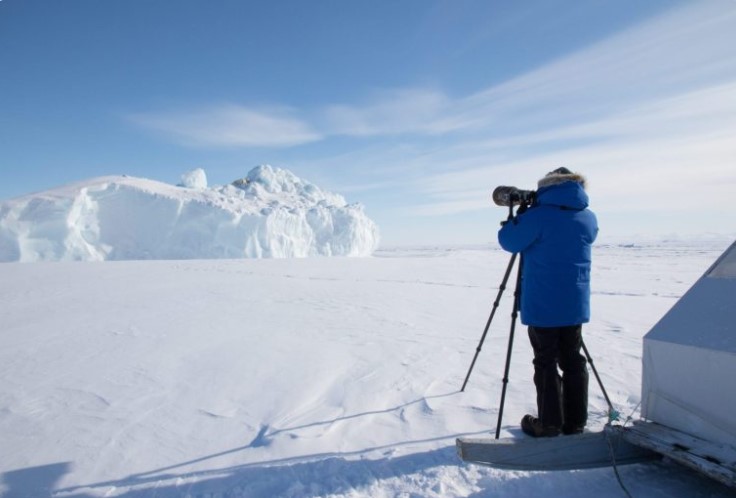
Arctic destinations offer experiences that travelers cannot easily find elsewhere.
Visitors can explore dramatic landscapes, encounter unique wildlife and experience the region’s distinctive environment.
The Arctic also provides an opportunity to step away from crowded tourist destinations.
For travelers who value adventure and education, the region can offer a very different type of vacation.
The increase in interest also comes as Americans appear to be adjusting their travel plans for 2027.
Rather than eliminating travel altogether, some travelers may be choosing destinations that offer meaningful and memorable experiences closer to home or within easier reach.
What does the trend mean for 2027 travel?
The rise in Arctic interest could signal a broader shift in how Americans approach vacations.
Travelers may increasingly prioritize experiences over traditional sightseeing. Remote destinations can offer opportunities to learn about different environments while enjoying a break from everyday routines.
The Arctic trend also highlights the growing appeal of educational travel.
Programs that combine exploration with learning can give travelers a deeper connection to the places they visit.
As interest continues to grow, Arctic destinations could become an even bigger part of the travel conversation heading into 2027.
For now, the numbers show that the Arctic is no longer a niche travel choice. More Americans are starting to look north for their next adventure.
Source: Road Scholar
About the Author