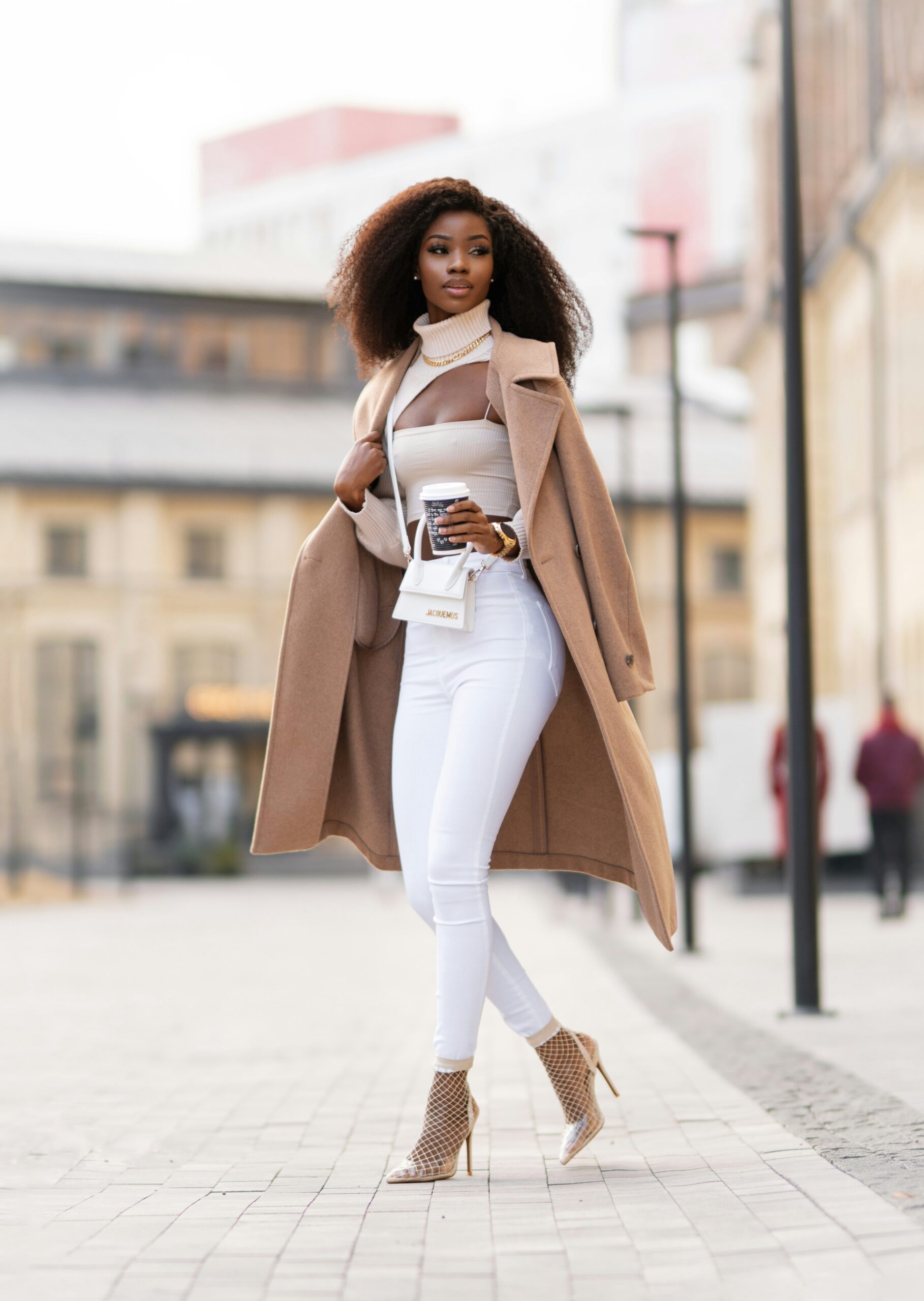
Photo by Vladimir Yelizarov on Unsplash
Black beauty standards didn’t begin with a hashtag or a magazine cover. They started in West African traditions that honored dark skin, intricate braids, and bodies shaped by work and ancestry. Those traditions survived the Middle Passage, the violence of enslavement, and decades of cultural erasure.
They also survived Jim Crow, when Black women were routinely excluded from beauty pageants, advertising, and fashion runways. Instead, these standards flourished quietly in church hats, press-and-curl traditions, and the beauty parlors that became some of the most important social institutions in Black communities. These spaces let Black women affirm one another’s beauty without needing outside validation.
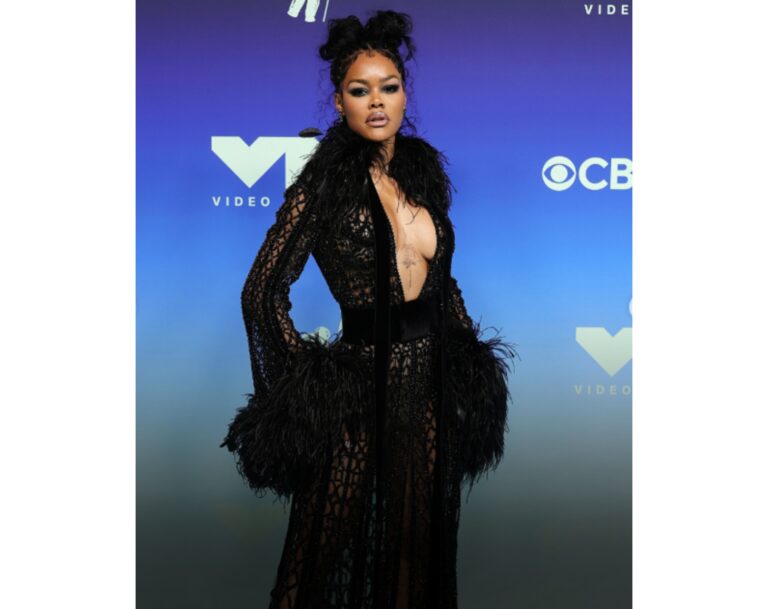
Black beauty standards have never been singular. They stretch from the button-down elegance of a woman in her Sunday best to the confidence of a woman in six-inch heels at a cookout. They hold Cicely Tyson’s natural locs alongside Dorothy Dandridge’s Hollywood glamour, and Angela Davis’s Afro alongside a grandmother’s pressed hair on Easter Sunday. That range is the point.
Natural hair carries beauty, politics, and identity at once
Natural hair sits at the intersection of beauty, politics, and identity in a way few aesthetic choices do. Wearing coils, kinks, locs, twists, or afros has always meant more than personal style. For decades, Black women were told their natural texture looked unprofessional or unkempt.
The natural hair movement that gained traction in the 2010s didn’t invent a new idea. It revived one that had been suppressed by pressure to meet European hair standards embedded in workplaces and schools. The CROWN Act, which protects against hair discrimination and has passed in numerous states, exists because that discrimination is real and well documented. Choosing to wear natural hair remains a political act as much as a personal one.
Braiding traditions arrived with enslaved Africans and evolved into cornrows, box braids, Senegalese twists, and other protective styles. The skill behind these styles passes from mother to daughter, generation to generation. Black beauty parlors, meanwhile, function as more than grooming spaces — they’re where community knowledge and aesthetic education get passed down alongside the actual hairstyling.
Melanin-rich skin has always held its own beauty
The beauty of dark skin wasn’t discovered by fashion magazines in the 2010s. Black communities recognized it long before any mainstream outlet did. Blues lyrics, the poetry of Langston Hughes and Lucille Clifton, and the photography of Gordon Parks all celebrated melanin-rich skin decades before it became a trend.
Colorism still causes real harm inside Black communities by ranking skin tones against each other. That harm doesn’t erase the beauty of darkness — it reveals how deeply anti-Black standards got internalized. Ongoing conversations about colorism push back against that hierarchy and insist on the worth of the darkest shades.
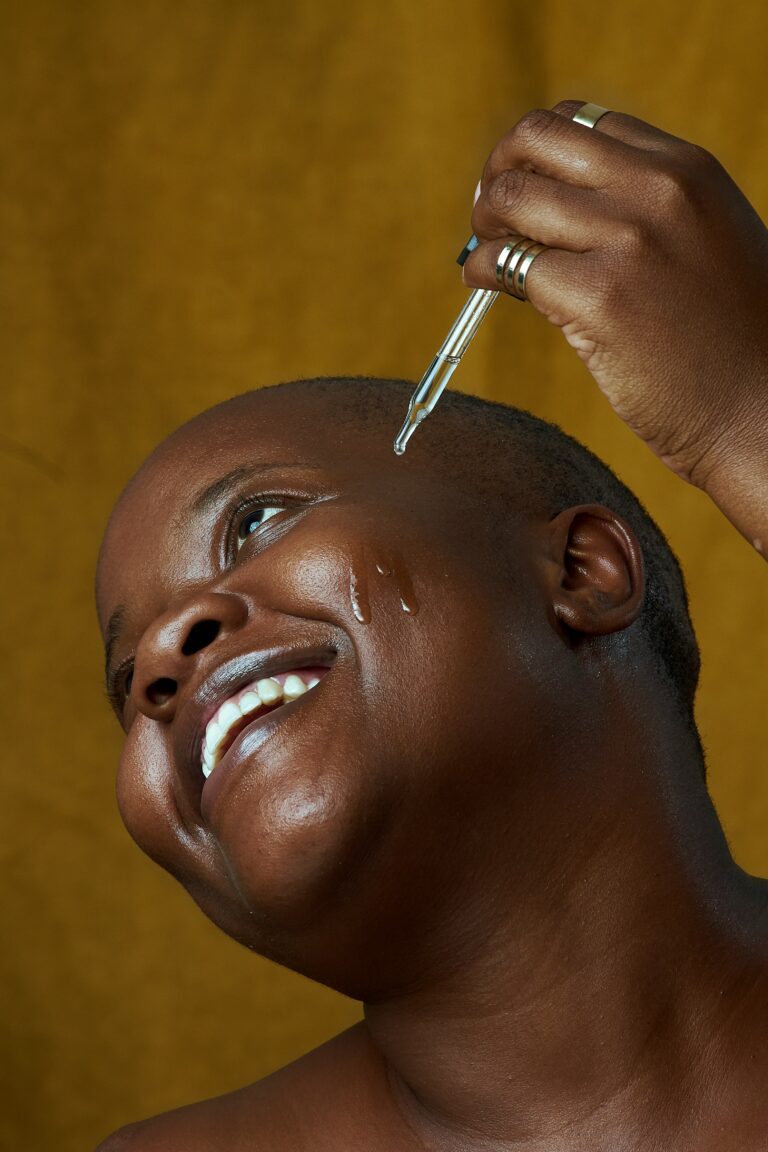
Phrases like “Black don’t crack” reflect beauty knowledge specific to Black culture, pointing to how melanin-rich skin often ages with visible resilience. Practices like using shea butter and natural oils trace back to West African skincare traditions. Public figures such as Lupita Nyong’o, Naomi Campbell, Iman, Grace Jones, and Viola Davis didn’t conform to outside standards — they expanded them.
Style and adornment reflect a specific kind of genius
Black beauty extends into fashion and adornment in ways rarely credited to their source. The church hat tradition produced some of the most striking millinery artistry in American history, rooted in the idea that Sunday morning deserved full self-presentation regardless of how the week went.
Streetwear, sneaker culture, and hip-hop aesthetics reshaped global fashion after starting in Black American communities — often without acknowledgment. Getting dressed for an occasion carries real weight in this culture. It functions as armor, not vanity, and as self-respect rather than superficiality.
Josephine Baker turned Parisian stages into a showcase for Black beauty worldwide. Dorothy Dandridge proved glamour and Black womanhood weren’t in conflict. Diana Ross, Whitney Houston, Tina Turner, Janet Jackson, and Beyoncé each represented different dimensions of Black feminine beauty. Serena Williams showed that athletic Black bodies could be powerful and beautiful at once, challenging a sports culture that struggled to hold both ideas together.
What to call it and why the name matters
No single word captures Black beauty’s full complexity. “Afrocentric beauty” points to ancestral roots. “Black beauty” points to political identity. “Melanated beauty” points to skin-based pride. “Natural beauty” points to a rejection of conformity pressure. All these names hold truth, and none stands complete alone.
The bigger point isn’t settling on one label. It’s insisting that Black beauty gets named and centered at all, rather than treated as a variation on a default standard that was never built with Black women in mind. The most honest answer is simply to call it Black beauty without apology and without waiting for outside confirmation.
That standard keeps evolving. The natural hair movement continues. Melanin pride keeps deepening. Black fashion keeps shaping global culture, often without credit. Beauty parlors remain sanctuaries, church hats remain art forms, and the aunties keep knowing things about skincare no magazine has published yet. Whatever name it goes by, Black beauty remains one of the most enduring aesthetic traditions in American history.
Source: Revelence.media
About the Author