Photo credit: Instagram/weekendtraveler195
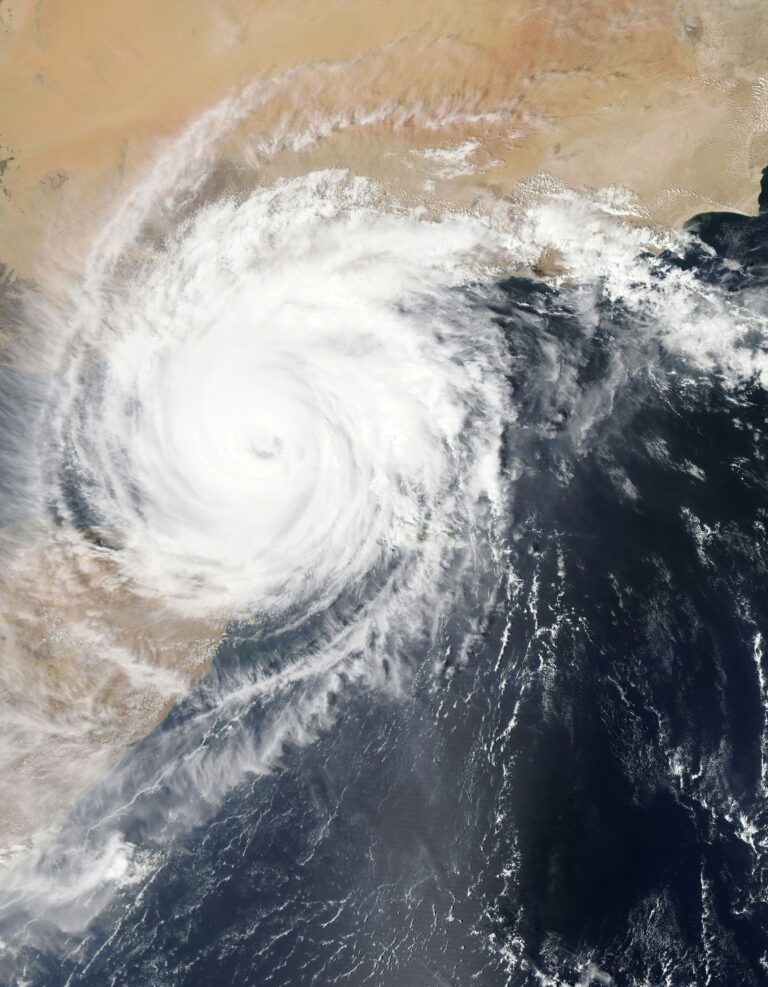
Hurricane Rachel reached Category 3 strength Thursday off Mexico’s Pacific coast. The storm had maximum sustained winds of 120 mph, according to the National Hurricane Center.
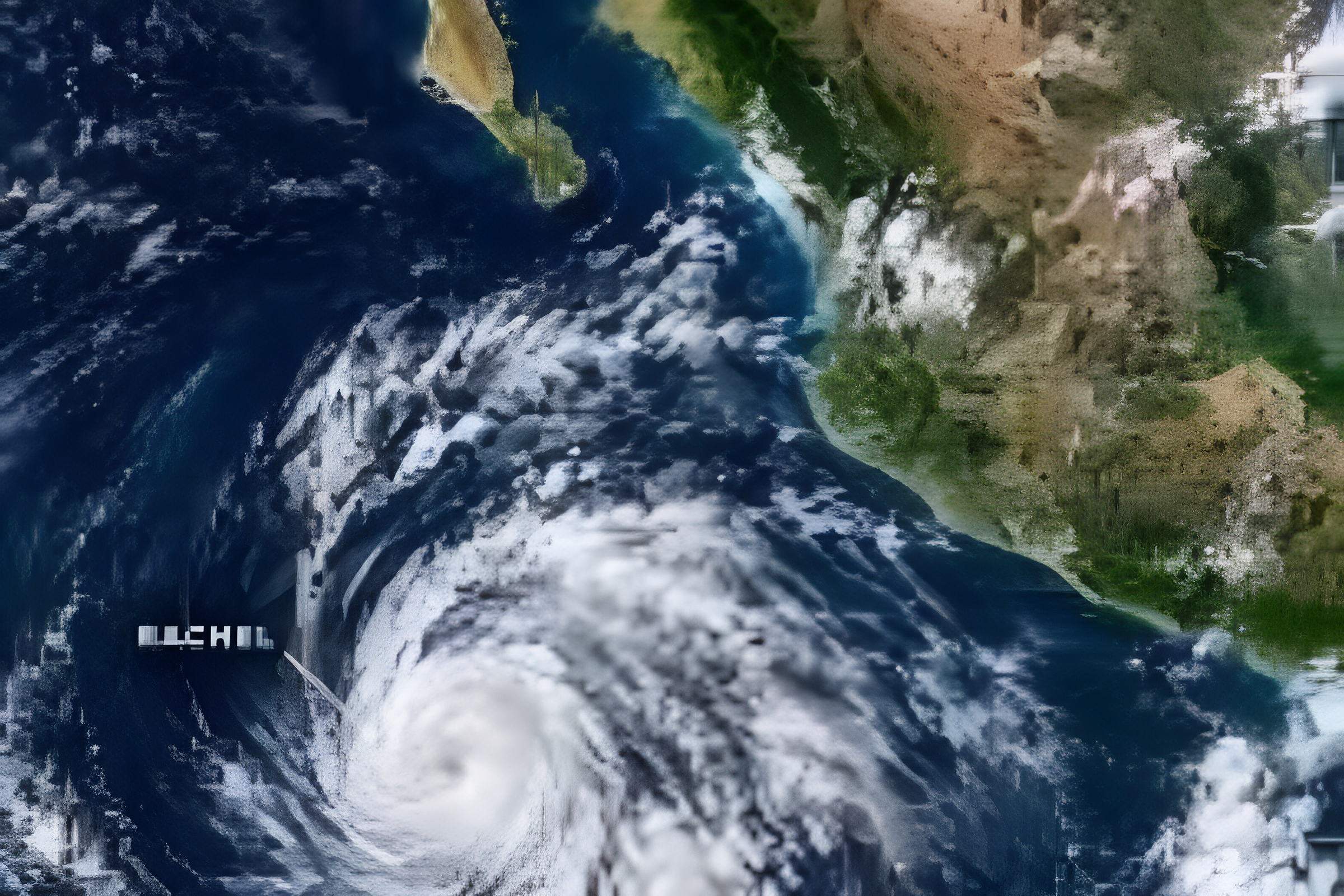
Rachel was about 245 miles from the southern tip of Baja California. It was moving west at about 3 mph. Forecasters expected Rachel to strengthen further over the next day. They then expected the storm to weaken during the weekend.
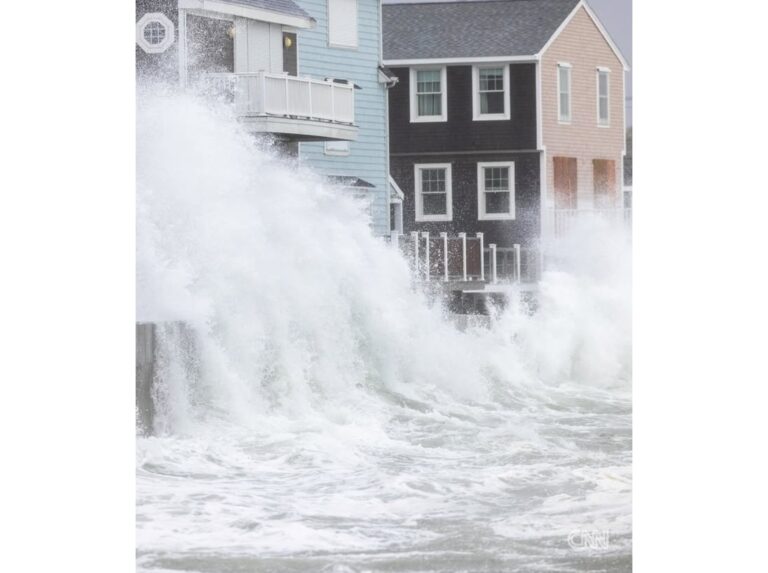
Rachel is expected to stay offshore. However, its swells could bring dangerous surf and strong rip currents along parts of Mexico’s coast.
Mexico prepares for heavy rain
Mexican officials remained on alert Thursday. Forecasters expected very heavy rain in Baja California Sur, Sinaloa and Jalisco. The rain could raise river levels and cause flooding in low areas. Officials also warned about landslides and overflowing rivers.
The U.S. Embassy in Mexico also issued a warning for people in Cabo San Lucas. Officials reported beach and port closures in the popular tourist area. Strong rip currents were another concern.
Rachel’s arrival comes soon after Hurricane Polo affected northern Mexico. Hundreds of people remained displaced, while at least 13 municipalities were still dealing with flooding Thursday night.
Polo’s remnants bring rain to the U.S.
The weather pattern did not stop at Mexico’s border. Moisture from Polo continued to affect parts of the central United States.
Texas, Nebraska, Missouri and Iowa remained under flood watches Thursday. Heavy rain flooded streets and neighborhoods across parts of the region. Lincoln, Nebraska, recorded 6.1 inches of rain Wednesday. That made it the city’s wettest day on record, according to the University of Nebraska-Lincoln Climate Office.
Omaha received 4.7 inches of rain. The city’s fire department responded to 80 water rescues over three hours. Some floodwaters reached 8 feet. Meanwhile, San Antonio remained under a flash flood warning Thursday evening. More than 19,000 customers across Texas had lost power by Thursday afternoon.
The Pacific season remains active
Rachel is part of an unusually active Pacific hurricane season. Experts cited El Niño as one factor behind warmer Pacific waters and wind patterns that can support storm development.
Another system was also being watched. Tropical Storm Nolo continued moving northwest away from Hawaii. The National Weather Service said it could strengthen into a hurricane by the weekend.
For now, Rachel remains offshore. Still, residents and travelers along Mexico’s Pacific coast are watching the storm closely as conditions continue to change.
About the Author