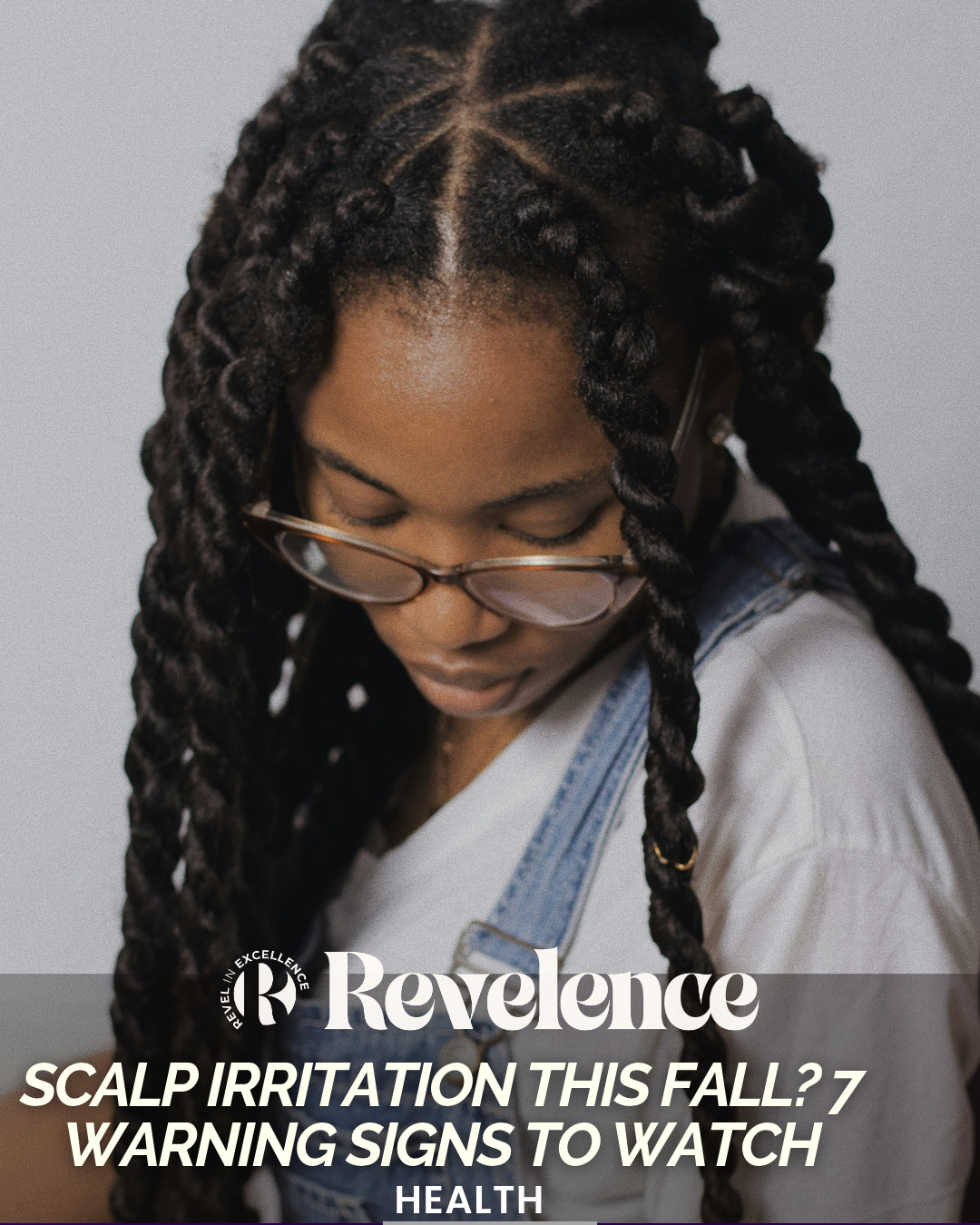
Photo by Baptista Ime James on Unsplash
A change in your scalp can make your regular hair routine uncomfortable. You might notice itching, tenderness, dryness or unusual sensitivity when styling your hair. These changes deserve attention, especially if they continue or become worse.
For Black women, hairstyles such as braids, locs, wigs, weaves and extensions can involve tension, adhesives or styling products. Although these styles can offer versatility, certain techniques and products may irritate the scalp.
Fall is also a useful time to reassess your hair care routine. Changes in weather, indoor heating, washing habits and styling choices may affect scalp comfort.
However, not every scalp concern is caused by the weather or a hairstyle. Some symptoms can have other causes that require professional assessment.
Knowing what to look for and which questions to ask can help you make informed decisions about your hair and scalp health.
7 scalp changes you should pay attention to
Not every uncomfortable scalp sensation signals a serious problem. However, certain changes deserve attention, particularly when they continue after a hairstyle or product change.
Here are seven signs worth discussing with a qualified professional.
Persistent itching
Occasional itching can happen for several reasons. However, frequent itching may be associated with dandruff, eczema, product reactions or other scalp conditions. A dermatologist can help identify the cause.
Burning or stinging after styling
A burning sensation after applying hair dye, relaxers, adhesives or styling products may indicate irritation or an allergic reaction. Do not assume that discomfort is a normal part of the styling process.
Scalp tenderness or pain
If your scalp hurts when you touch it, brush your hair or move your braids, your hairstyle may be creating excessive tension. The American Academy of Dermatology warns that repeated pulling can contribute to traction alopecia.
Redness, bumps or swelling
Small bumps, visible redness and swelling can develop following exposure to irritating products or excessive styling tension. A professional should assess persistent or worsening symptoms.
Unusual flaking or crusting
Flakes can have different causes, including dandruff, eczema and contact dermatitis. Crusting or painful patches should not automatically be treated as ordinary dry scalp.
Hair breakage around the hairline
Short, broken hairs around the forehead and temples may indicate repeated tension from tight braids, ponytails, extensions or other hairstyles.
Noticeable thinning or bald patches
Changes in hair density deserve attention. Hair loss around the hairline or areas exposed to repeated pulling can be associated with traction alopecia. Early assessment matters because prolonged damage can become permanent.
Questions to ask your hairstylist or dermatologist
A hairstylist can help identify whether a particular technique is creating tension. However, a dermatologist is the appropriate professional to diagnose scalp conditions and recommend medical treatment.
Before your next appointment, consider asking:
Could my current hairstyle be putting too much tension on my scalp?
Are any of my styling products likely to irritate my skin?
Should I remove my braids, extensions or wig because of the discomfort?
What hairstyles would reduce tension while my scalp recovers?
Could my symptoms indicate contact dermatitis or another skin condition?
Should I have my scalp examined for possible hair loss?
Would patch testing help identify a product allergy?
It also helps to share when the symptoms started, which products you recently introduced and whether the discomfort improves after changing your hairstyle.
The American Academy of Dermatology recommends sharing information about hair and skin care products when discussing possible contact dermatitis with a dermatologist.
When should you seek professional assessment?
Do not wait for severe discomfort before seeking advice. Persistent itching, recurring irritation, unexplained hair loss, scalp tenderness and unusual skin changes deserve professional attention.
Seek prompt medical advice if you notice worsening pain, spreading redness, discharge, swelling or signs of possible infection.
If a hairstyle causes pain or stinging, ask your stylist to loosen or remove it rather than trying to tolerate the discomfort. The American Academy of Dermatology advises changing hairstyles that pull on the scalp.
Avoid applying additional chemicals or experimenting with several new products while trying to identify the source of irritation.
How to protect your scalp during the fall season
A comfortable scalp starts with a hair care routine that avoids unnecessary irritation and tension.
Consider these practical habits:
Choose hairstyles that do not pull tightly on your hairline.
Give your scalp breaks between protective styles.
Avoid products that cause burning, itching or discomfort.
Follow product instructions when using dyes and chemical treatments.
Clean your scalp regularly using products suitable for your hair.
Avoid scratching irritated areas.
Schedule a dermatology appointment when symptoms persist.
Protective hairstyles should not come at the expense of scalp comfort. A little attention to changes in your scalp can help you recognize problems before they become more difficult to manage.
Healthy hair starts with a healthy scalp
Your scalp deserves the same attention as the rest of your skin. Whether you wear natural hairstyles, braids, wigs, weaves or extensions, pay attention to changes in comfort and appearance.
Do not dismiss persistent itching, burning, tenderness or unusual hair loss as ordinary styling problems. Speak with a qualified professional who can help identify the cause and recommend appropriate care.
A beautiful hairstyle should never require you to ignore your scalp’s health.
Editorial note: This article provides general educational information and is not a substitute for professional medical diagnosis or treatment.
About the Author