Photo credit: facebook/BET
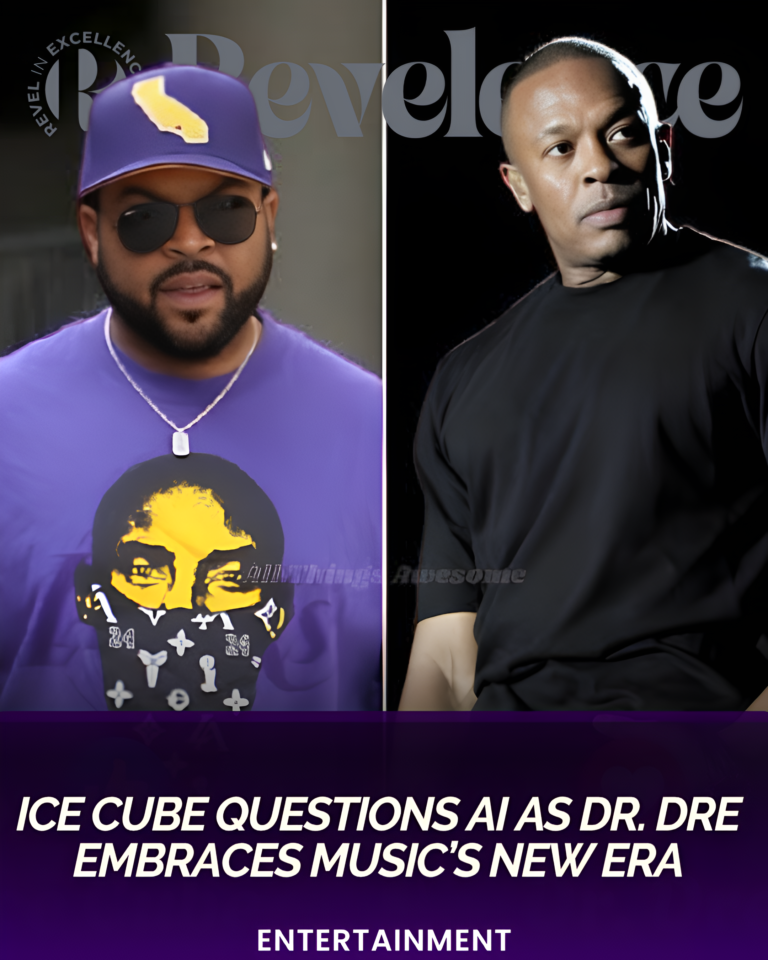
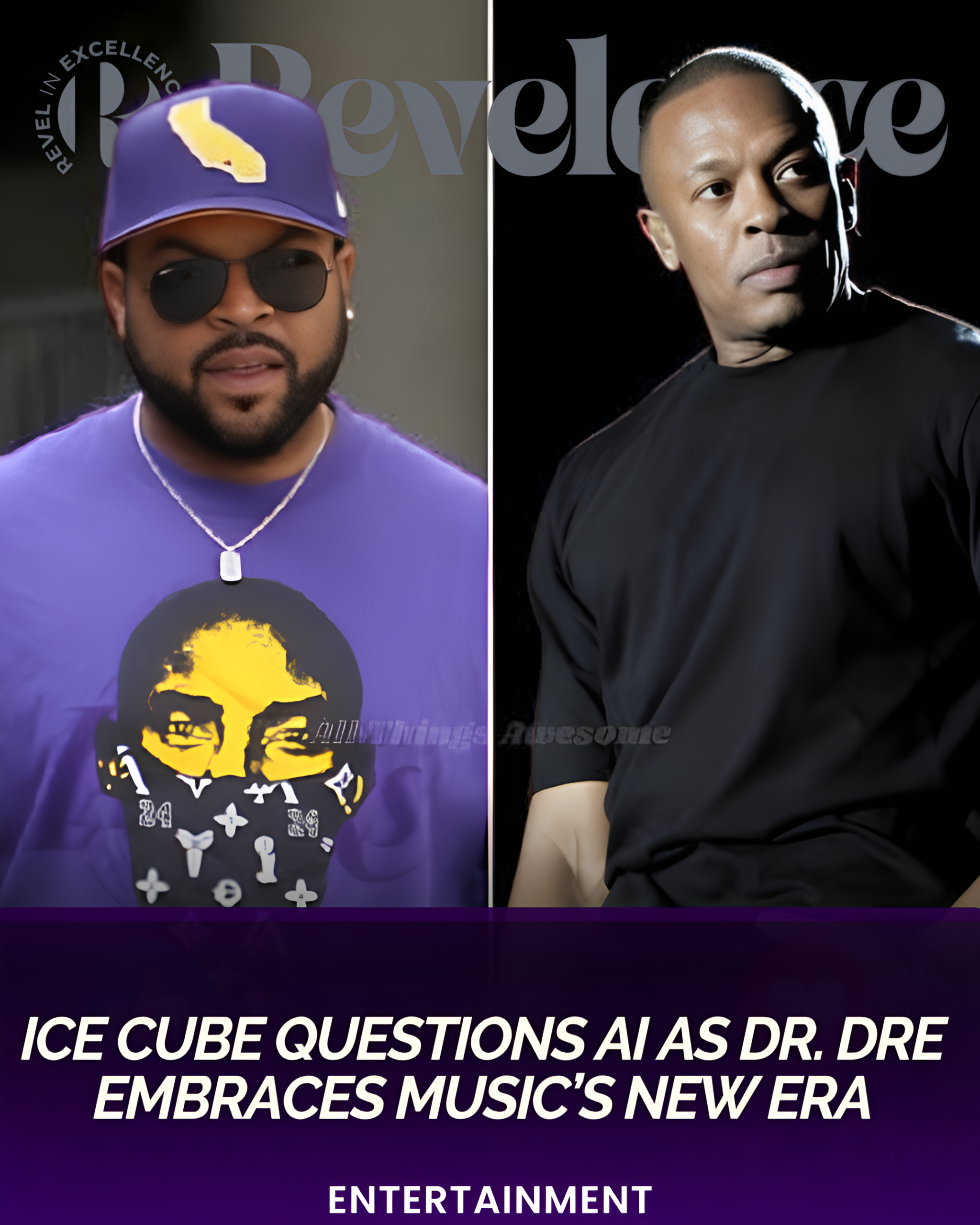
Hip-hop’s debate over artificial intelligence has reached an interesting crossroads. Dr. Dre and Ice Cube brought opposing views to the table during the debut episode of Listen & Laugh, their new podcast conversation featuring Mike Epps.
The episode premiered Friday, Nov. 6. During the discussion, Dre embraced AI as another tool for creative expression. Cube, however, questioned whether technology could encourage artists to avoid the hard work behind making music.
Their disagreement highlighted a growing question across entertainment. How much creative control should computers have over music and performance?
Dr. Dre sees opportunity in artificial intelligence
Dre argued that AI could open new doors for musicians and filmmakers. He suggested that Cube could earn money from a movie appearance without physically visiting a film set, provided he approved the use of his image and voice.
Cube tested that position with another example. He asked whether Dre would object if a producer used AI to recreate his signature mixing style.
Dre said he would respect the innovation. He also welcomed the possibility of someone recreating Nuthin’ but a ‘G’ Thang, his collaboration with Snoop Dogg, and making it more successful.
For Dre, adapting to new technology is part of remaining relevant in music.
Ice Cube questions the shortcut AI creates
Cube’s concern centers on how people use the technology. He has previously criticized AI-generated music, including during a 2023 appearance on the Full Send podcast.
However, his position is more specific than a rejection of technology. He said he objects to people using AI to bypass the years of practice required to become skilled musicians.
He also worries about computers taking too much control over the creative process. From his perspective, technology should support artists rather than replace their abilities.
Hip-hop has faced this debate before
Dre’s comparison with sampling brought another important issue into the discussion. Hip-hop grew through producers taking existing sounds and transforming them into new musical creations.
However, sampling also created disputes over ownership, permission and payment. Legal battles eventually pushed the music industry toward systems for clearing samples and compensating rights holders.
AI raises similar questions. Who owns a computer-generated recreation of an artist’s sound? Who receives payment when someone else’s creative identity becomes part of a new recording?
These questions carry particular weight for Black musicians, whose musical contributions have often influenced the wider industry without fair recognition or compensation.
Ice Cube PUSHES BACK on Dr. Dre on his take about AI after Dre argued that if artists can sample other musicians’ records, there shouldn’t be an issue with using AI in music.
Ice Cube strongly disagrees with the comparison, sparking a debate about AI and creativity in music. https://t.co/m1zDpSuxta
— Ahmed/The Ears/IG: BigBizTheGod 🇸🇴 (@big_business_) November 7, 2026
What happens to artists as AI advances?
The discussion also touched on digital likenesses. Dre’s movie example reflects concerns that Hollywood performers raised during the 2023 actors’ strike. Performers sought stronger protections against unauthorized digital replicas.
His example included Cube’s approval, making consent and compensation central to the idea.
Neither artist changed the other’s position during the discussion. Dre sees AI as another stage in music production, while Cube wants stronger boundaries around creativity and artistic skill.
Interestingly, Dre later revealed that he plans to step away from music for a year or two. He also estimated that roughly 80% of his recorded material remains unreleased.
His comments add another dimension to the conversation about technology and artistic ownership. As AI develops, the debate between innovation and creative control is likely to remain part of hip-hop’s future.
About the Author