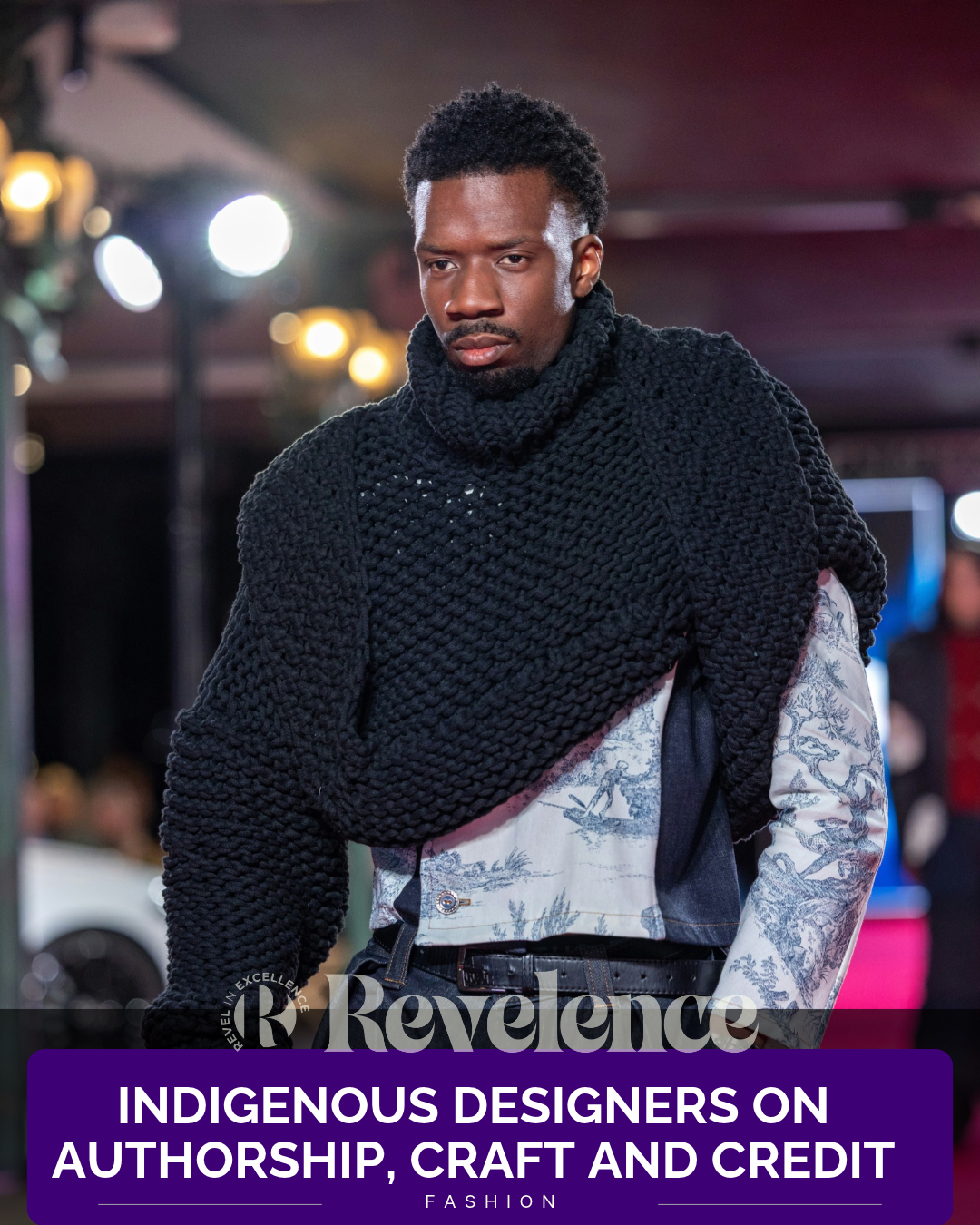
Photo by Azim Khan Ronnie on Unsplash
Fashion has always drawn inspiration from art, history and cultural traditions. However, there is a difference between appreciating another culture and using its creative heritage without permission.
For Indigenous designers, that difference involves more than a name on a clothing label. It includes authorship, ownership, compensation and the right to decide how cultural designs appear in commercial fashion.
As more brands explore Indigenous-inspired patterns, textiles and craftsmanship, designers are calling for partnerships that recognize the people behind the work.
The conversation is not simply about representation. It is about who controls the creative process, who benefits financially and who receives credit.
Cultural inspiration does not automatically give brands permission
Traditional patterns, symbols, textiles and ornaments can carry meanings connected to Indigenous history, spirituality, community and identity.
The World Intellectual Property Organization (WIPO) recognizes these elements as traditional cultural expressions. Its guidance warns that using them without consent or in inappropriate ways can cause harm.
This matters because a design may look decorative to an outside observer while carrying a deeper meaning within the community.
Fashion brands should therefore avoid assuming that a publicly visible cultural design is available for commercial use.
Instead, they should identify the relevant artist, community or cultural authority and establish whether permission is appropriate.
Indigenous designers should help control how their work is used
A meaningful collaboration gives the designer a voice beyond the initial creative meeting.
In a 2025 Fashionista report, Indigenous designers and brand representatives discussed the importance of permission, continued involvement and fair partnerships.
Designer Bethany Yellowtail, founder of B. Yellowtail and a member of the Northern Cheyenne Tribe, has spoken about the importance of investing in Indigenous artists rather than taking from their communities.
The report also describes how Faherty’s collaborations with Native artists included royalties and renewed permission when brands wanted to reuse designs.
That approach recognizes that permission for one collection does not automatically authorize every future use.
Designers should be able to establish where, when and how their work appears.
Licensing agreements should explain ownership and payment
A fashion collaboration needs clear terms before production begins.
Brands and designers should discuss licensing fees, royalties, production quantities, distribution, promotional use and the length of the agreement.
They should also clarify whether a designer retains ownership of original artwork and whether the brand can adapt or reproduce it.
Creative Workplaces, an Australian Government resource, recommends licenses that are non-exclusive, limited to an agreed purpose and restricted to a specified period.
Its guidance also recommends contractual provisions that recognize Indigenous Cultural and Intellectual Property rights.
These protections matter because a collaboration should not quietly transfer control of cultural material to a commercial partner.
Proper credit must reach beyond a clothing label
Attribution is more than mentioning a designer in a social media caption.
A brand should agree on how the designer, artists, community and cultural custodians want to be credited. That credit should appear in appropriate campaign materials, product descriptions, press releases and other agreed promotional channels.
Creative Workplaces also explains that First Nations creators can request attribution for their work and, where appropriate, recognition of the community or Country connected to cultural material.
The wording and placement should follow the creator’s preferences.
Proper credit helps audiences understand where a design comes from. It also gives Indigenous creators visibility in an industry where their contributions have often received insufficient recognition.
Collaboration should create lasting opportunities
One collection does not automatically establish an ethical relationship.
A stronger partnership can include fair payment, creative control, business support, long-term opportunities and continued consultation.
Brands should also consider whether their wider design practices respect Indigenous creators. Hiring one Indigenous designer while continuing to use cultural motifs without permission does not resolve the underlying problem.
Fashion companies can build better relationships by listening, involving Indigenous creatives in decision-making and respecting their right to decline a project.
The next fashion conversation must include Indigenous voices
Indigenous designers deserve more than occasional visibility during fashion campaigns or cultural heritage celebrations.
Their work deserves proper ownership, fair compensation and recognition throughout the creative process.
For brands, the responsibility begins before a design reaches the runway or retail floor. It begins with asking permission, agreeing on terms and respecting the people connected to the work.
A genuine collaboration does not take cultural identity and turn it into a trend. It creates room for Indigenous designers to tell their own stories, protect their creative contributions and benefit from the work they share.
About the Author