Haute Takes (Photo courtesy of Revelence )
Welcome to Haute Takes, the segment where culture gets reviewed, refined and occasionally revoked. If it’s giving excellence, it’s Haute. If it’s giving NOT, we’re bothered.
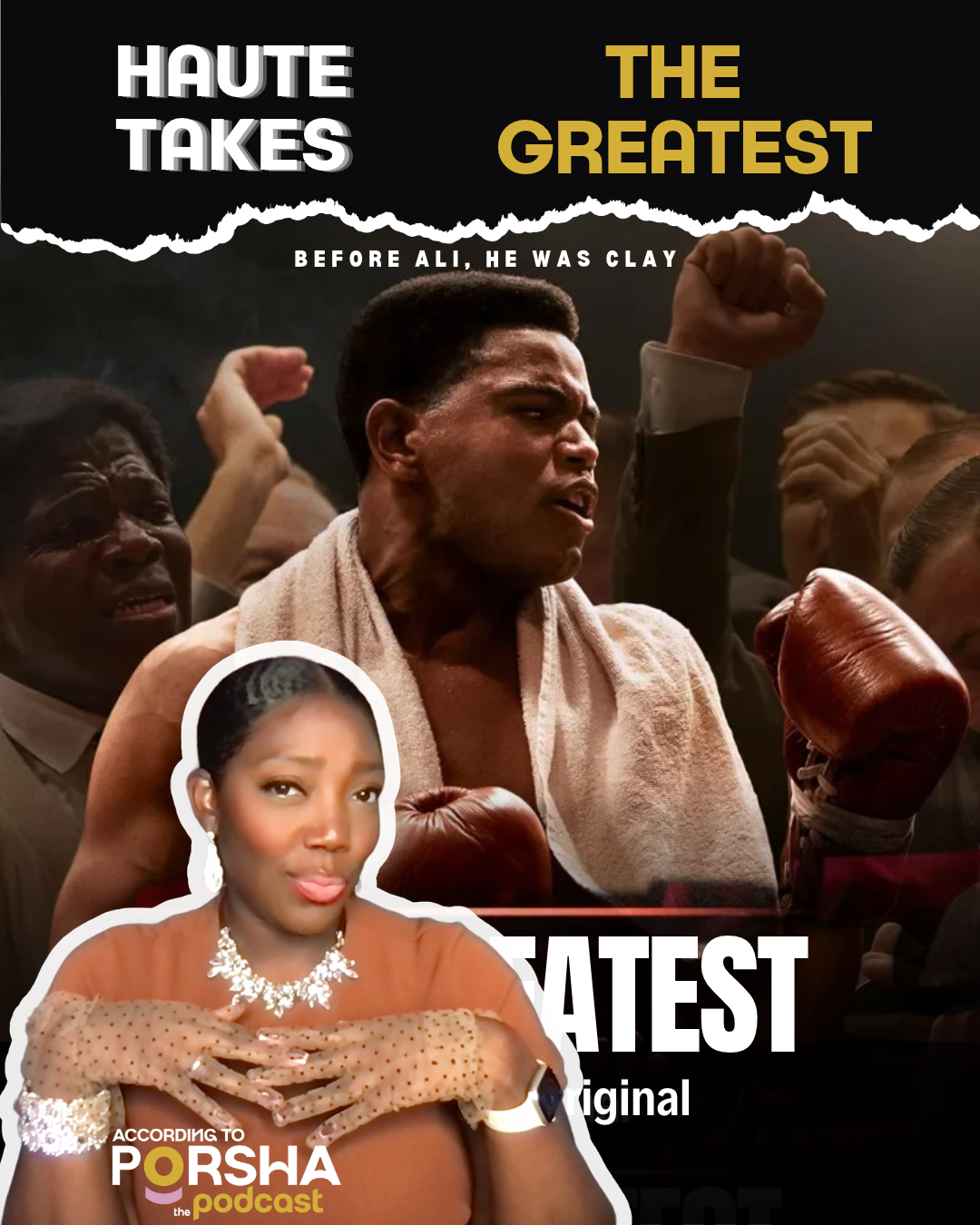
And The Greatest on Prime Video? Riveting, exhilarating and a masterclass in storytelling. The series follows a young Cassius Clay as he begins his journey toward becoming Muhammad Ali. It explores the ambition, relationships and personal choices that shaped one of boxing’s most recognizable figures.
The story opens with Clay winning Olympic gold in Rome. He returns home expecting the recognition that should come with such an achievement. Instead, Louisville reminds him that representing America does not guarantee acceptance. He can win for the country, but he still faces discrimination at home.
One restaurant scene captures that contradiction. A business can celebrate his success and profit from his name while refusing to treat him as an equal. The message is unmistakable. Public admiration means little when basic dignity remains out of reach.
The price of success
William Faversham Jr. offers Clay a team and a promising future. Yet the series makes one thing clear. Everyone wants a share of a rising star. Success brings opportunity, but it also attracts people who want to control it.
Clay’s mother understands the importance of protecting his interests. That becomes clear when attorney Alberta Jones arrives to review a contract. Her intervention is a welcome reminder that ambition needs guidance and that a determined Black woman can change the course of a business deal.
The family relationships add another layer. The series asks whether parents protect their children or allow their own fears to shape their choices. It also explores the jealousy that can surface when a child begins to outgrow a parent’s expectations. Their success should never feel like a personal defeat.
View this post on Instagram
Finding his voice and identity
Clay’s search for the right trainer, including his connection to Archie Moore, raises another question. How much guidance does a gifted person need before that guidance becomes a limitation? Sometimes, talent needs room to develop.
His public persona becomes another powerful part of the story. The confidence, spectacle and sharp remarks are not random. Clay understands that attention can be part of the business. Still, Henry Cooper’s left hook reminds viewers that confidence does not prevent a fall. What matters is getting back up.
The series also explores his growing interest in Islam, Malcolm X and the Nation of Islam. His spiritual journey creates tension with his Christian upbringing and draws opinions from people around him. By the seventh episode, even his opportunity to fight for the title faces uncertainty. The question becomes whether success requires him to surrender parts of himself.
A champion defines himself
The visual storytelling reinforces Clay’s belief in his own greatness before the wider world accepts it. The music also connects the period to modern audiences without disrupting the story.
Then comes Sonny Liston, the championship and the moment that changes everything. Clay introduces himself to the world as Muhammad Ali. That ending brings the season’s central idea into focus. He has fought for recognition, control and the freedom to define his own identity.
The Greatest delivers an engaging portrait of a man becoming a legend. It also leaves room for more. A second season would be welcome.
Encore. I want more.
Until next time, if it’s not Haute, it’s not worth the watch.
About the Author