Image by Laszlo Bartucz from Pixabay
A new fiber blend changed gut bacteria without worsening irritable bowel syndrome (IBS) symptoms in a small Australian study. However, researchers have not established whether the supplement can actually relieve symptoms or improve long-term gut health.
The three-week trial involved 26 adults with IBS who were already following a low-FODMAP diet. Researchers from Edith Cowan University in Perth, Australia, tested a combination of resistant starch and psyllium husk to determine whether participants could tolerate the additional fiber.
The findings attracted attention after a November 14 report highlighted the supplement’s potential to support gut health. However, the researchers described their work as a pilot study, meaning larger trials are needed before anyone can draw firm conclusions.
What Is the New Fiber Blend?
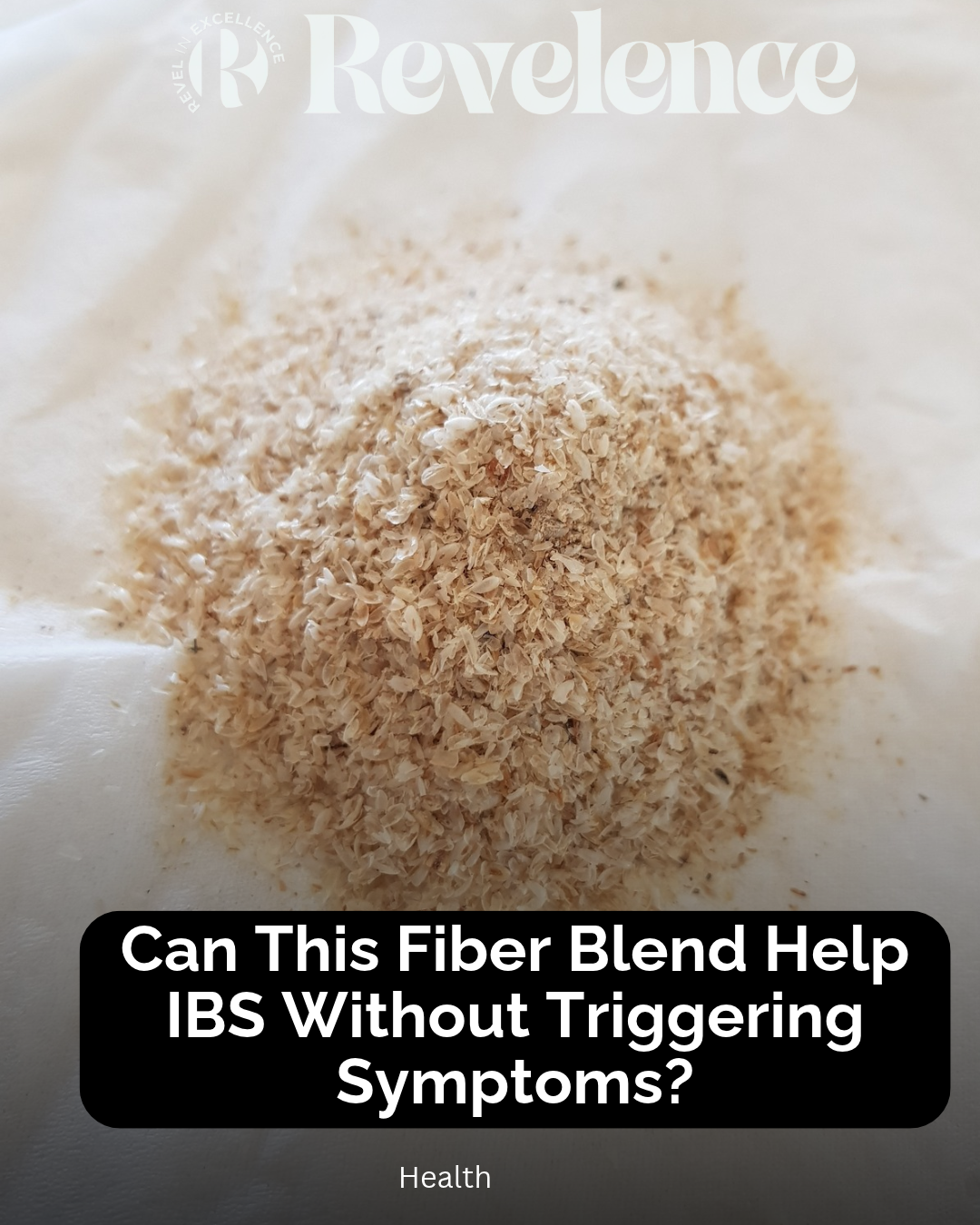
The supplement, called ur gut, combines high-amylose resistant starch with psyllium husk. Both ingredients are types of dietary fiber that support digestive health in different ways.
Resistant starch passes through the small intestine without being fully digested. It then reaches the large intestine, where gut bacteria use it as food.
Psyllium husk is a soluble fiber that absorbs water and forms a gel during digestion. It can also support regular bowel movements.
Researchers wanted to determine whether combining these ingredients could help people with IBS consume additional fiber without triggering uncomfortable digestive symptoms.
Lead researcher Tina Yan explained that many people with IBS follow low-FODMAP diets to reduce digestive discomfort. However, limiting fermentable carbohydrates can also make it harder to consume certain beneficial fibers.
The team investigated whether the combination could help address this challenge.
How Researchers Conducted the IBS Study
The researchers conducted a randomized, double-blind pilot trial involving 26 adults diagnosed with IBS.
All participants were already following a low-FODMAP diet. They received either the resistant starch and psyllium blend or a comparison powder containing the same amount of psyllium.
Participants gradually increased their daily intake from 5 grams to 40 grams over three weeks.
Neither the participants nor the researchers knew which powder each person received during the trial. This approach helped reduce potential bias when assessing the results.
The researchers also monitored digestive symptoms, gut bacteria, anxiety related to gut symptoms, inflammation markers and other health measurements.
What the Fiber Trial Revealed
The findings showed that the new fiber combination did not worsen participants’ IBS symptoms during the study.
Abdominal pain, bloating, diarrhea and constipation remained stable in both groups. This finding suggests participants tolerated the additional fiber without experiencing significant symptom flare-ups.
However, the researchers also identified changes in gut bacteria among participants who received the resistant starch blend.
One notable finding was a 5.5-fold increase in Ruminococcus, a group of bacteria involved in breaking down starch.
Researchers also observed improvements in anxiety related to digestive symptoms among participants receiving the blend.
However, sleep quality, inflammation markers and several other blood and stool measurements did not show significant changes.
Co-author Amanda Devine described the bacterial changes as unusual for such a short intervention, according to reporting by Medical Xpress.
Does the Fiber Supplement Actually Relieve IBS?
Despite the encouraging findings, the study does not establish that the supplement treats IBS.
Researchers found that participants’ symptoms remained stable. They did not demonstrate that abdominal pain, bloating or bowel irregularities improved.
This distinction matters because tolerating additional fiber does not necessarily mean experiencing relief from digestive problems.
The study also involved only 26 participants over three weeks. Therefore, the findings cannot establish whether the supplement produces lasting benefits or works for people with different IBS symptoms.
Additionally, changes in gut bacteria do not automatically translate into better digestive health. Researchers still need to establish whether these changes produce meaningful improvements in patients.
There is also a potential commercial connection worth noting. Edith Cowan University owns the ur gut trademark, and the supplement’s formula has a pending international patent, according to the Global Prebiotic Association.
These details do not invalidate the findings, but they highlight the importance of independent research.
What Happens Next?
Larger and longer clinical trials will be necessary to determine whether the fiber blend can safely support people living with IBS.
Researchers also need to establish whether the supplement improves symptoms, how long any benefits last and which groups of patients might benefit most.
Its availability and pricing in the United States also remain unclear based on the information available in the original report.
For now, the Australian findings offer an early indication that combining resistant starch with psyllium may help some people with IBS increase their fiber intake without worsening symptoms.
However, people living with IBS should speak with a qualified healthcare professional before introducing a new fiber supplement, particularly if they experience frequent digestive discomfort.
More research is needed before ur gut can be considered an established option for IBS management.
About the Author