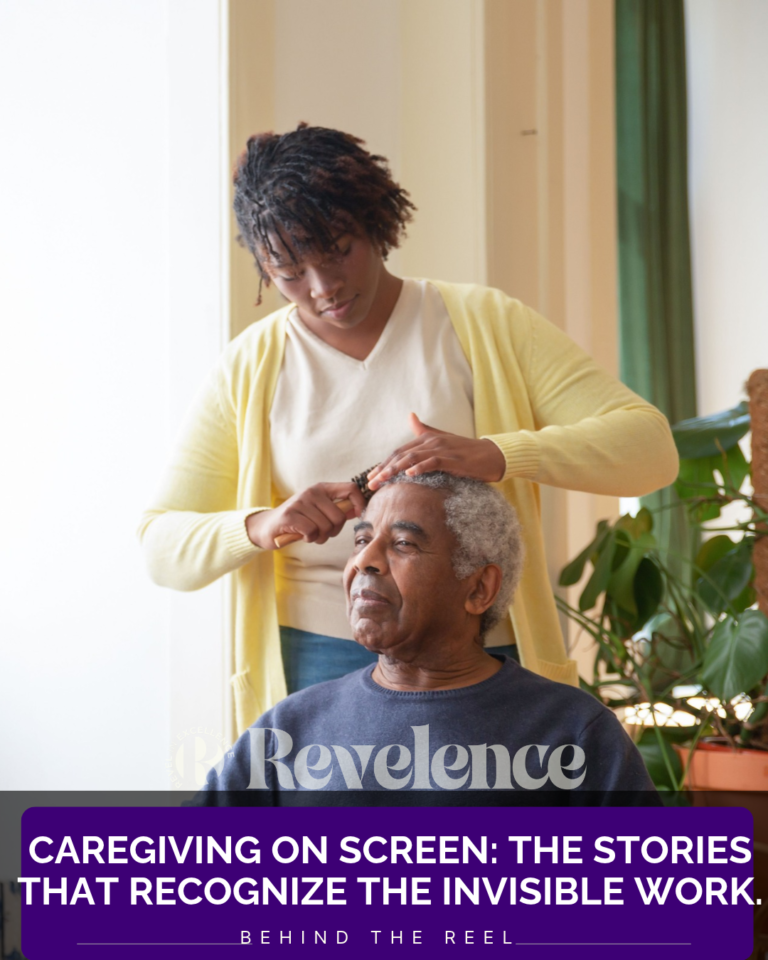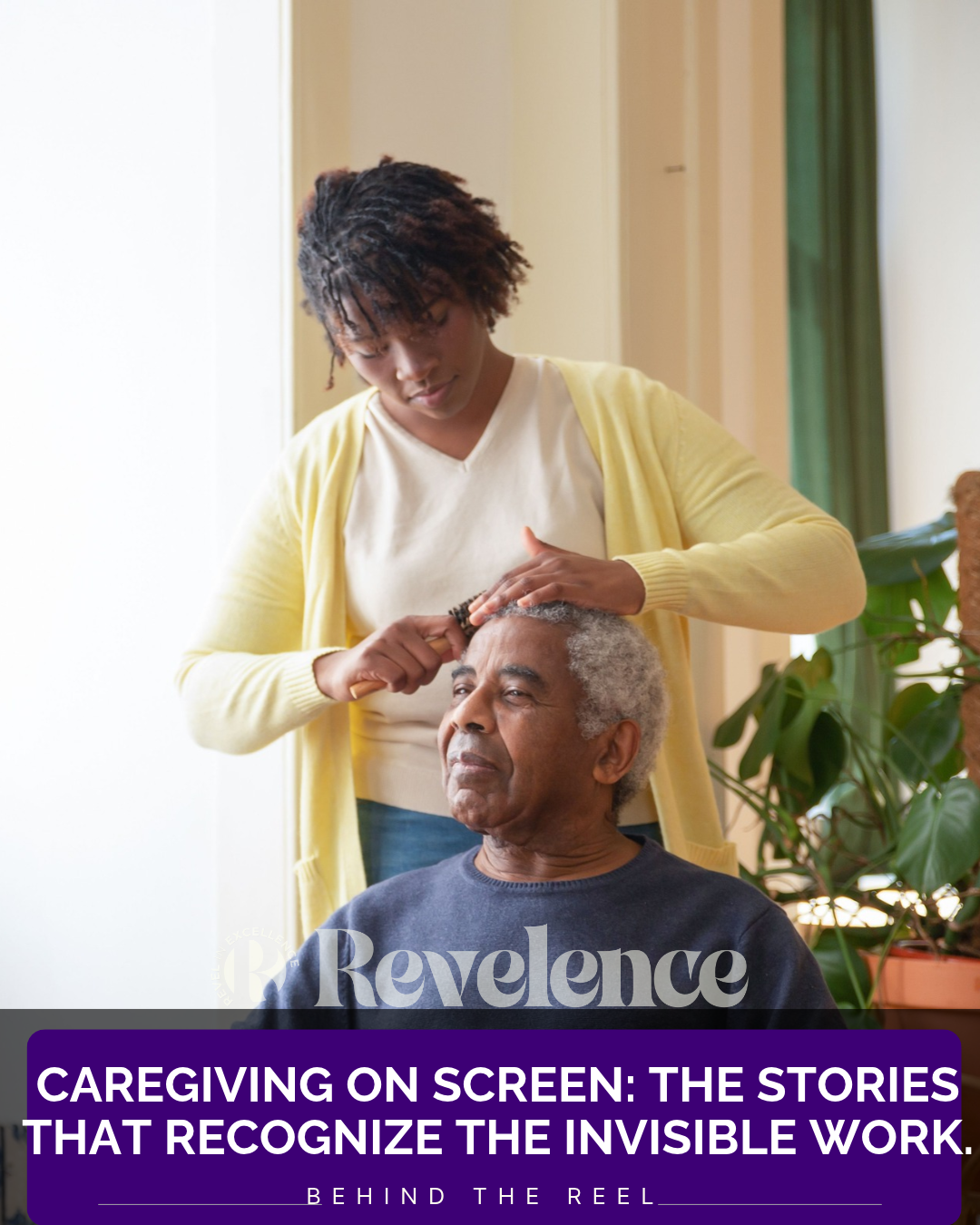
Photo by Kampus Production
Caregiving is often described as an act of love. However, behind that description are difficult decisions, interrupted routines, emotional exhaustion and responsibilities that can reshape an entire family. Film and television have increasingly explored these experiences, giving audiences a closer look at the people who provide care.
Several productions stand out for showing different sides of the experience. Some explore dementia and changing family relationships. Others examine serious illness, end-of-life decisions and the importance of support networks.
These stories also raise an important question: How accurately does entertainment reflect the realities caregivers face?
Familiar Touch puts dignity at the center of dementia care
The 2024 film Familiar Touch, directed by Sarah Friedland, follows Ruth, an older woman adjusting to life in a memory care facility. As she experiences changes associated with dementia, the story explores her relationships, independence and identity.
The film offers a perspective that extends beyond the challenges of memory loss. It also considers how people continue to experience connection, humor and personal identity while their needs change.
Amy Goyer, AARP’s family and caregiving expert, examined the film’s portrayal in a 2025 article. Drawing on more than four decades of experience in aging and her own family caregiving history, Goyer highlighted its attention to the person who remains beyond a diagnosis.
That perspective matters because caregivers can become so focused on what a loved one has lost that they overlook the person’s continuing preferences, personality and ability to connect.
The Father shows the confusion dementia can create
In The Father (2020), Anthony Hopkins plays an older man experiencing dementia. His daughter Anne, played by Olivia Colman, tries to support him as his perception of reality becomes increasingly difficult to understand.
The film uses changing rooms, familiar faces and disrupted timelines to place viewers inside the character’s confusion.
However, Anne’s experience also reveals the emotional pressure placed on family members. She must navigate her father’s changing needs while making difficult decisions about his care.
The film is especially useful in showing that dementia affects relationships as well as memory. It also illustrates why families may struggle to agree on care arrangements.
Still Alice explores how caregiving changes over time
Julianne Moore stars in Still Alice (2014) as Alice Howland, a university professor diagnosed with early-onset Alzheimer’s disease.
The film follows Alice as she experiences changes in her memory and independence. Her husband and children gradually take on more responsibilities as her condition progresses.
The story highlights a reality that caregivers often face: their responsibilities can increase gradually, sometimes before they fully understand what the future will require.
It also gives attention to the person receiving care. Alice’s identity, ambitions and relationships remain important throughout the story.
The Dementia Resource Center’s review of the film highlights the way family members transition into caregiving roles. That shift is an important part of the experience, particularly when families must adjust to changing needs.
The Savages confronts family disagreements about care
The 2007 film The Savages follows adult siblings Wendy and Jon as they respond to their father’s increasing care needs.
Their father’s condition forces them to confront decisions about his living arrangements, finances and support. Their different personalities and complicated family history make those decisions harder.
Unlike stories that focus mainly on devotion, The Savages explores frustration, guilt and disagreements between relatives.
Its portrayal reflects an important part of caregiving that entertainment can sometimes overlook. Families do not always agree about what care should look like or who should take responsibility.
From Scratch shows why caregivers need support
Netflix’s limited series From Scratch also explores caregiving through the story of a couple navigating serious illness.
As the illness changes their family life, the series examines the emotional and practical responsibilities that come with providing care. It shows how relatives and friends can help with scheduling, medical responsibilities, childcare and end-of-life support.
Caring Across Generations identified the series as one of its notable television portrayals of caregiving. Its analysis highlighted the importance of a care circle rather than placing every responsibility on one person.
That message aligns with Goyer’s broader perspective on caregiving. Support, connection and the ability to recognize the person receiving care are essential parts of the experience.
What these stories reveal about the invisible work
These films and television productions approach caregiving from different perspectives. However, they share a common theme: caring for another person can affect every part of a caregiver’s life.
Filmmaker Rea Tajiri explored that experience in Wisdom Gone Wild, a documentary about caring for her mother, who lived with dementia. In a February 2026 PBS interview, Tajiri described drawing on 16 years of caregiving experience to create a portrayal that centered her mother’s identity.
Her approach reinforces an important distinction. A person living with an illness should not become defined only by the care they receive.
The strongest caregiving stories recognize both people in the relationship. They show the individual receiving care as a person with history, preferences and dignity. They also acknowledge the family members and professionals carrying responsibilities that audiences may not always see.
For viewers who provide care, these stories can offer recognition. For others, they can encourage greater understanding of the patience, planning and emotional work that caregiving requires.
About the Author