Photo credit: facebook/News24
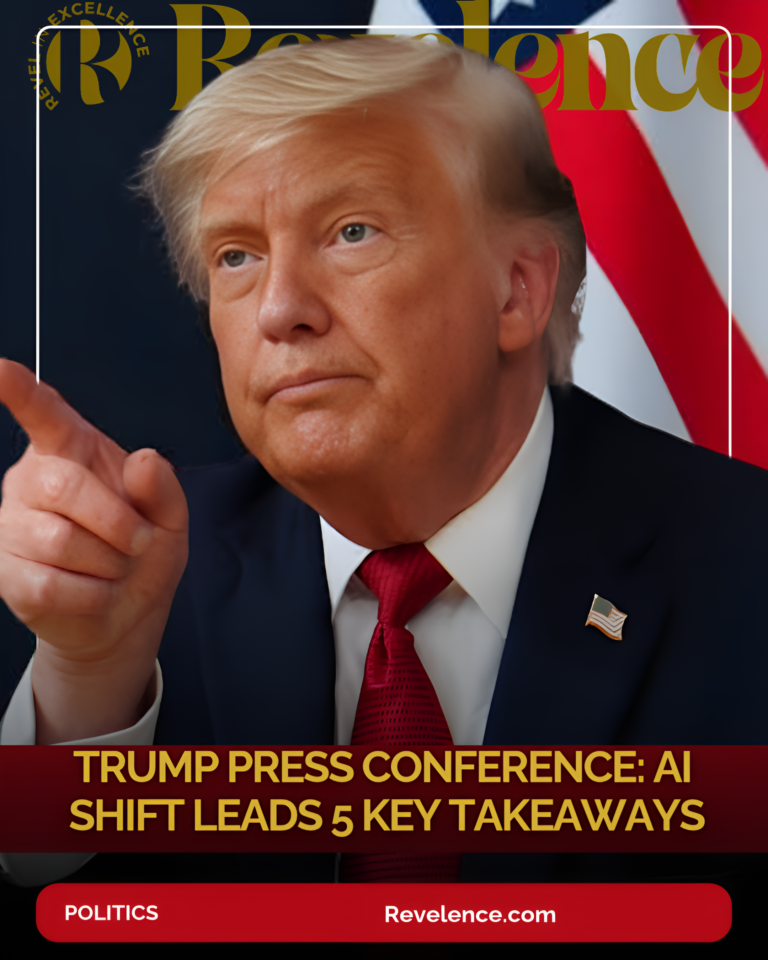
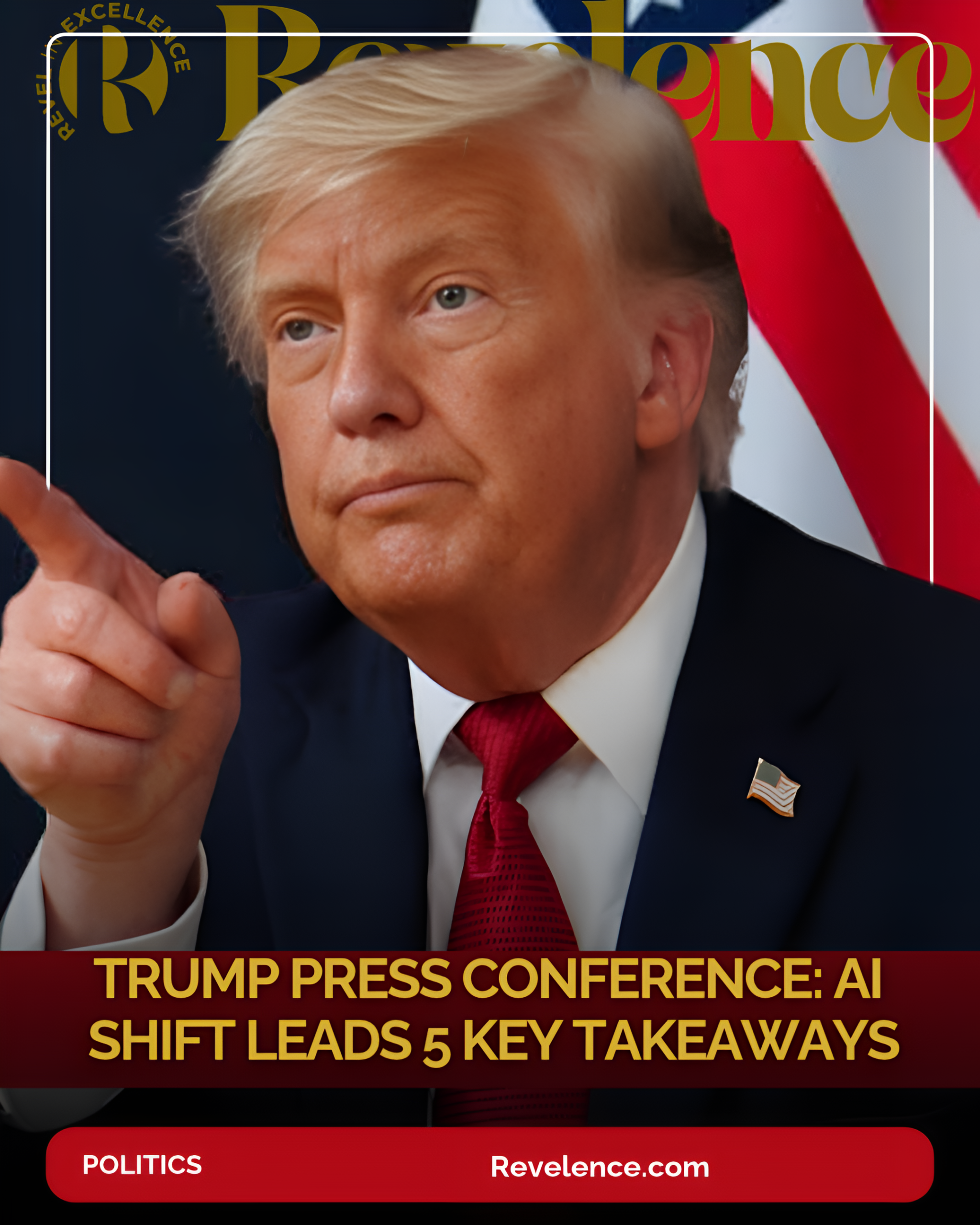
President Donald Trump returned from Asia and used his Nov. 20 White House press conference to highlight what he described as a strong diplomatic and economic position for the United States.
The appearance also marked Trump’s first press conference since the midterm elections. He discussed his meetings with Chinese President Xi Jinping and Russian President Vladimir Putin, along with artificial intelligence, data centers, Iran and the next G20 summit.
Here are five points that stood out.
Trump signals a shift on AI guardrails
Trump said the United States and China would work on guardrails for artificial intelligence. He also discussed the term super intelligence, which he said Xi favors.
The position marks a notable change from Trump’s earlier comments about AI regulation. The administration had previously stressed leadership and competition rather than new limits on the technology.
The new language suggests that AI safety and international coordination could become a larger part of U.S.-China discussions.
Trump wants more data centers built in the U.S.
Trump also pushed for domestic data center growth.
He said communities should benefit financially from the facilities while still allowing companies to build them. He also said his administration would discourage U.S. companies from moving data center projects overseas through higher taxes.
The comments reflect the growing importance of data centers to the AI race. More AI systems require more computing power, which in turn increases demand for large-scale facilities.
Iran and Putin remained part of the discussion
Trump also addressed Iran and Russia.
He pointed to lower oil prices while discussing Iran and said Tehran was interested in reaching an agreement. However, he indicated that the terms would have to meet U.S. expectations. Trump also said Putin told him Russia would not have invaded Ukraine if Trump had been president at the time.
The three-way summit produced broad commitments
Trump, Xi and Putin held their first three-way summit in Shenzhen, China.
The leaders issued a declaration supporting cooperation on nuclear risks, United Nations reform and oil supplies. They also backed immunity for state officials and criticized what they described as overreach by the International Criminal Court.
However, the declaration left several major issues open. It did not address Russia’s war in Ukraine or the U.S. conflict involving Iran. It also did not provide specific details about the proposed United Nations reforms.
Analysts remain divided over the trip
Trump and his supporters presented the summit as evidence that direct engagement with major powers can produce results.
Critics saw fewer concrete outcomes. Suzanne Maloney of the Brookings Institution told NPR that the trip gave Trump an opportunity to highlight his role in great-power diplomacy after the midterm elections.
The next major test will come at the G20 summit in Miami next month. Xi is expected to attend, while Putin has been invited. That meeting could provide a clearer indication of whether the latest diplomatic outreach produces lasting results.
About the Author