(Photo courtesy of Revelence )
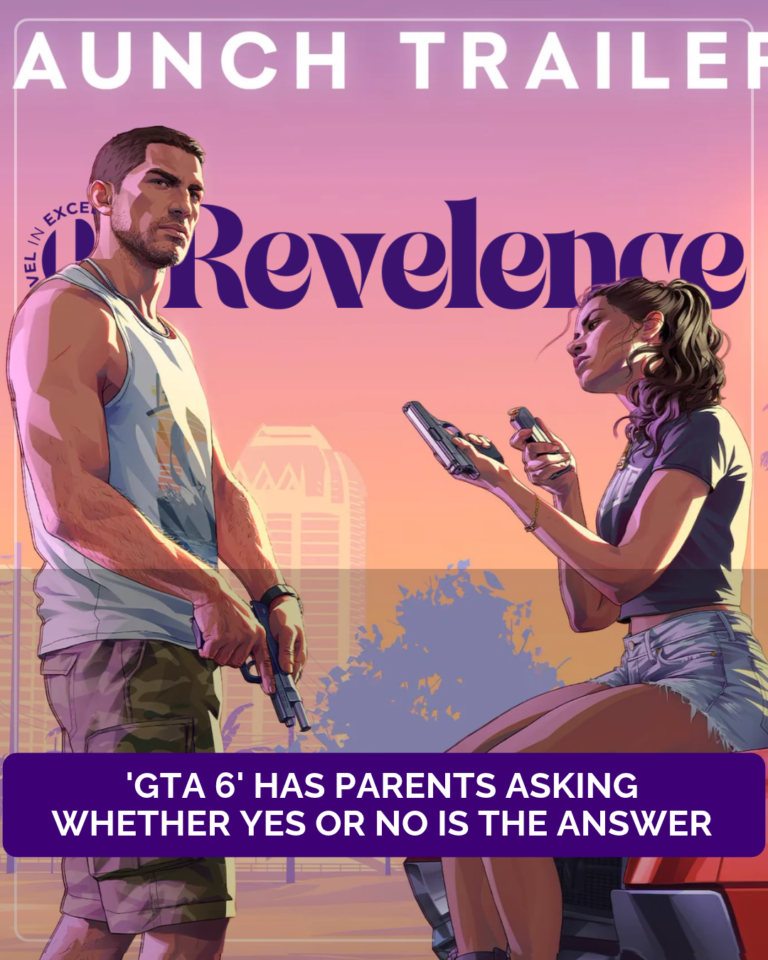
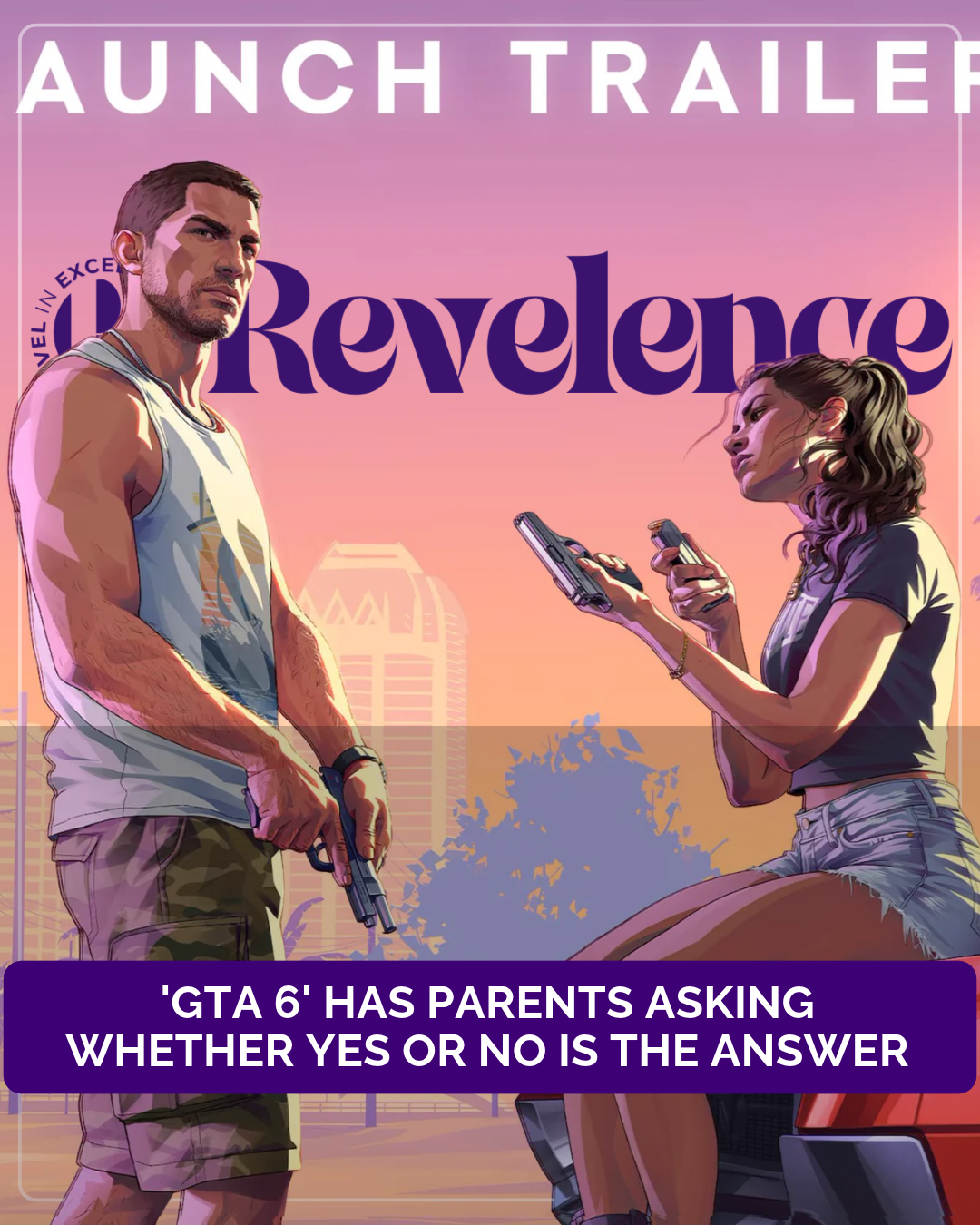
Parents of teens who want to play GTA 6 face a familiar choice between yes and no. The game carries a 17 and older rating and includes adult themes such as strip clubs, drug use and graphic fighting. Experts say either answer can work, as long as parents talk openly with their teen.
Fans waited more than a decade for the newest entry in the best selling series. That includes teens who were toddlers when the last one arrived. Now they want to join the buzz, from debates over a character named Arnold to chatter about the soundtrack.
Why some parents say no to ‘GTA 6’
Dr. Brett Biller, a child psychologist at Hackensack University Medical Center, says it is fine to refuse. He even considers it wise. He likes video games in general and sees social benefits when friends play together. Still, he believes the realistic community harm in this title outweighs the upside for tweens and teens.
Research has not shown that video games cause aggressive behavior. However, Biller points to a link between aggression and exposure to harm at home, which makes him careful. He says fighting zombies differs from hurting human characters. Younger children often struggle to separate fantasy from reality, and older teens can too, given how lifelike the game looks. The game may also make harm feel normal by putting players in the role of a thief or attacker.
Teens who have witnessed or lived through harm may find the content hard to process. Biller adds that parents may also notice effects on mood, sleep and personality.
View this post on Instagram
How parents can handle the fallout
Biller suggests parents acknowledge a teen’s frustration and fear of missing out. Parents can admit that peer pressure is real, since they feel it too when other adults allow their kids to play. The moment also teaches a lesson about standing by your principles. He recommends offering other activities teens can enjoy with friends.
Should parents play along
Some parents feel better sitting beside their teen. Biller calls this a double edged sword. Playing together gives parents chances to point out troubling themes. It can also send a message that harm is fun or no big deal. He says many parents choose this route because they feel unsure about saying no.
What parents can say to their teen
Common Sense Media calls the game an extremely mature crime title for adults 18 and older. Its review adds that only parents know whether an older teen is ready.
Jasmine Hood Miller, the group’s director of family resources and content strategy, urges parents to talk either way. Good topics include what looks fun, how women appear in certain scenes and whether the teen would hurt people in the game. These talks can feel awkward. She says teens who do not talk to their parents will talk to someone else. She asks parents to stay curious, calm and free of lectures.
If a teen plays at a friend’s house after hearing no, Biller advises parents to learn the context and acknowledge their feelings. He also recommends rewarding honesty so teens keep sharing.
About the Author