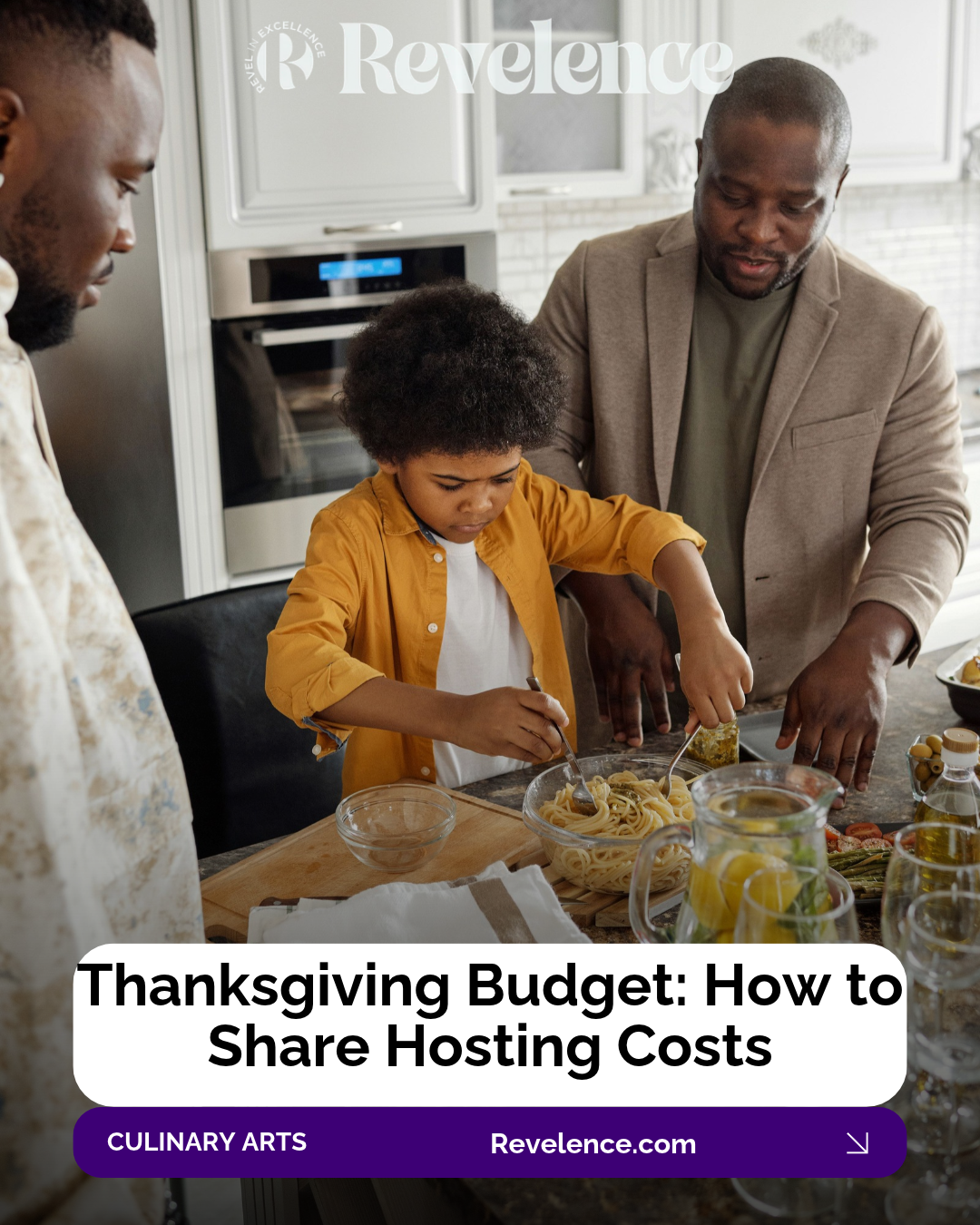
Photo by August de Richelieu on Pexels
Hosting Thanksgiving can bring family and friends together, but the expenses can add up quickly. Between the main meal, side dishes, drinks, decorations and disposable supplies, one household may end up paying for more than everyone realizes.
That financial pressure can create unnecessary tension. Guests may assume the host has everything covered, while the host may hesitate to ask for help.
A better approach is to discuss the budget before shopping begins. Families can agree on a spending limit, assign specific items and make contributions transparent.
The goal is not to charge guests an entrance fee. It is to make the work and expenses more manageable for everyone.
Start with a realistic Thanksgiving budget
Before sending invitations or buying groceries, estimate the number of guests. Then list the expenses the gathering will require.
For this example, imagine a Thanksgiving dinner for 10 people with a total food and supplies budget of $300.
Here is an illustrative breakdown:
| Expense | Budget |
|---|---|
| Turkey | $60 |
| Side dishes | $85 |
| Dessert | $35 |
| Drinks | $30 |
| Plates, napkins and supplies | $25 |
| Additional food and dietary needs | $35 |
| Emergency spending reserve | $30 |
| Total | $300 |
These figures are planning estimates, not current store prices. Actual costs will depend on location, guest preferences, portion sizes and dietary requirements.
The $30 reserve also matters. It gives the host some flexibility if an ingredient runs out or an unexpected expense appears. Any unused amount can remain with the host or be returned to contributors, based on the family’s agreement.
Divide expenses before assigning dishes
Once everyone understands the budget, decide who will cover each category.
For example, six households could share the $300 plan this way:
- Host: Turkey and basic supplies, budgeted at $80.
- Household two: Side dishes, budgeted at $85.
- Household three: Dessert, budgeted at $35.
- Household four: Drinks, budgeted at $30.
- Household five: Additional food and dietary needs, budgeted at $35.
- Household six: Emergency reserve, budgeted at $35.
This arrangement assigns the full $300 without requiring everyone to contribute the same amount.
However, families should discuss whether these assignments feel fair. Someone bringing a large dish may already be spending time and money preparing it. Another household may prefer to contribute cash instead.
The host should also acknowledge costs that the grocery budget does not cover, such as preparing the home, cooking time, utilities and cleanup.
Give guests more than one way to contribute
Not every guest has the same financial circumstances. A contribution plan should make room for different budgets and abilities.
Offer practical choices instead of setting a fixed payment that everyone must meet.
For example, guests could:
- Purchase an agreed ingredient or side dish.
- Contribute a smaller amount toward shared groceries.
- Bring drinks, ice or disposable supplies.
- Help with cooking, serving or cleanup.
- Provide transportation for another guest.
Ask guests to confirm their contribution before shopping begins. This helps prevent duplicate purchases and last-minute confusion.
Make the money arrangements transparent
Keep a simple shared record of the estimated expenses and assigned contributions. A family group chat or shared spreadsheet can work.
Include the item, responsible person, estimated cost and purchase status. Update the list when prices change or someone offers to cover an additional expense.
If the host collects money, explain how the contributions will be used. Keep receipts for shared purchases and communicate any significant difference between the estimate and the final cost.
Most importantly, avoid making anyone explain private financial circumstances in a group chat. Guests should be able to discuss their contribution privately with the host.
Agree on the rules before Thanksgiving Day
A contribution plan works best when everyone understands it before the gathering.
Confirm whether contributions are cash, groceries or assigned dishes. Set a deadline for responses and purchases. Also, decide what happens if someone cannot fulfill an assignment.
The host can send a friendly message such as:
“Thanksgiving is coming up, and I would love for us to share the preparation this year. I’ve put together an estimated budget and a list of food and supplies. Please let me know what works for your household. We can adjust the plan so nobody feels pressured.”
This opens the conversation without turning a family gathering into a financial obligation.
Remember that fairness is more important than equal payments
An equal split may sound simple, but it does not always reflect everyone’s circumstances. A household bringing children may have different needs from a single guest. Someone traveling a long distance may already have significant expenses.
Consider the full contribution, including food, preparation, transportation and time.
If someone cannot contribute money, they can still offer practical help. Equally, nobody should feel pressured to spend beyond their means to attend.
Thanksgiving should not leave one person carrying every expense or leave guests feeling embarrassed about what they can afford.
A clear budget, early conversation and flexible contribution plan can help families share the responsibility. The result is a more organized gathering where everyone can focus on enjoying the meal and spending time together.
About the Author