Photo credit: realdonaldtrump
President Donald Trump is facing renewed criticism after making remarks about Muslim politicians and Somali Americans ahead of the 2026 midterm elections.
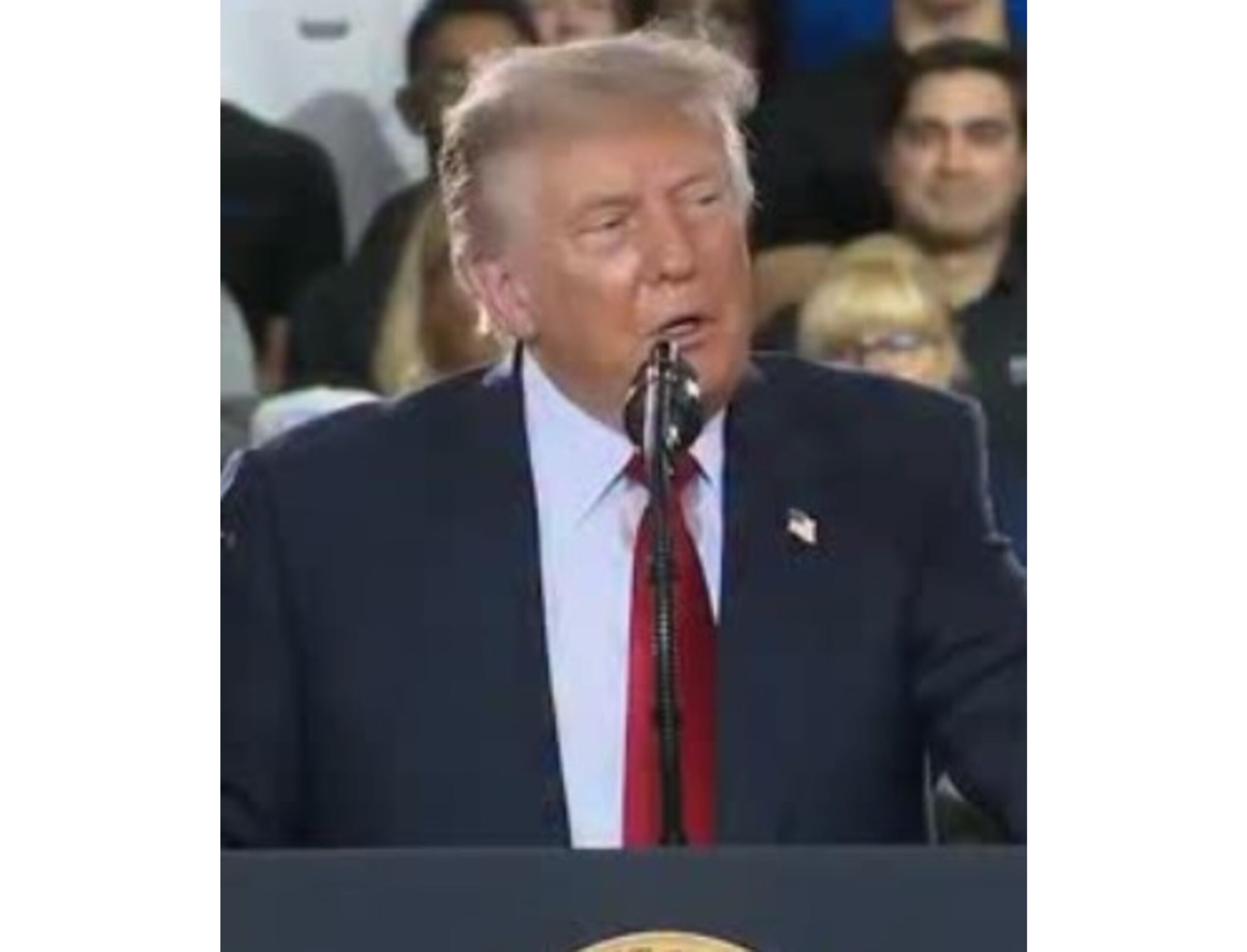
Trump made the comments Monday while speaking with reporters in the Oval Office. He was discussing Democratic candidates when he said, “we have jihadists being elected all over the place.”
The remarks quickly sparked a new political debate. Critics accused the president of using inflammatory language to describe Muslim candidates and Democratic politicians.
Trump Muslim Politicians Remarks Draw Criticism
Trump’s comments came as several Muslim Americans have gained prominence in U.S. politics.
Among them is Abdul El-Sayed, who recently won Michigan’s Democratic Senate primary. His victory made him the first Muslim major-party Senate nominee in U.S. history, according to recent reporting.
Trump has criticized El-Sayed and other Democratic politicians during the campaign.
The president’s latest remarks, however, broadened his criticism by referring to “jihadists” being elected across the country. The term generally refers to militants who use violence in pursuit of extremist interpretations of Islam.
Trump did not identify every politician he was referring to during the Oval Office exchange.
Meanwhile, his comments have drawn concern from Muslim civil rights advocates.
Trump Also Targets Somali Americans
Trump also made disparaging remarks about people of Somali descent during the same discussion.
According to reporting on his comments, Trump said Somali Americans were “not smart” and had “no aptitude.”
Those remarks have added to longstanding tensions between Trump and Somali American communities.
Trump has previously criticized Somali immigrants and Somali American political figures. His comments have repeatedly drawn condemnation from community leaders and civil rights advocates.
The latest remarks come as the Somali American community remains politically significant in states such as Minnesota.
Muslim Candidates Gain Political Attention
The controversy comes during a notable period for Muslim candidates in American politics.
El-Sayed’s Michigan primary victory has already attracted national attention. His campaign focused on issues including healthcare, housing and the cost of living, while his opponents have emphasized his views on Israel and foreign policy.
In addition, New York City Mayor-elect Zohran Mamdani has become another prominent Muslim figure in Democratic politics.
As a result, Muslim candidates are becoming a more visible part of the 2026 political landscape.
However, critics argue that candidates should face voters based on their policies and records rather than their religion or ethnic background.
Civil Rights Groups Condemn Trump’s Remarks
Muslim civil rights advocates have strongly criticized Trump’s comments.
The Council on American-Islamic Relations has said the president’s language could contribute to anti-Muslim hostility. Other advocates have similarly warned that portraying Muslim politicians as security threats can encourage discrimination.
The criticism comes amid a broader increase in political attacks targeting Muslim public officials.
For example, South Carolina Rep. Nancy Mace recently faced backlash after describing Muslim public officials as a threat to national security. Her comments also sparked a heated television exchange over whether her rhetoric unfairly targeted Muslims as a group.
2026 Midterms Bring Political Tensions
The controversy arrives just months before Americans vote in the 2026 midterm elections.
Democrats and Republicans are already preparing for closely watched races across the country. At the same time, the growing number of Muslim candidates has added another dimension to several campaigns.
Trump’s latest comments are likely to keep the debate over religion, immigration and political identity in the spotlight.
For Muslim Americans and their supporters, the controversy also raises questions about how religious identity will factor into the midterm campaigns.
Meanwhile, Trump’s allies are likely to continue framing Democratic candidates as part of what they describe as a more radical political movement.
As the election approaches, the debate over Trump’s comments could become part of a larger fight over political rhetoric, religious freedom and representation in American government.
About the Author