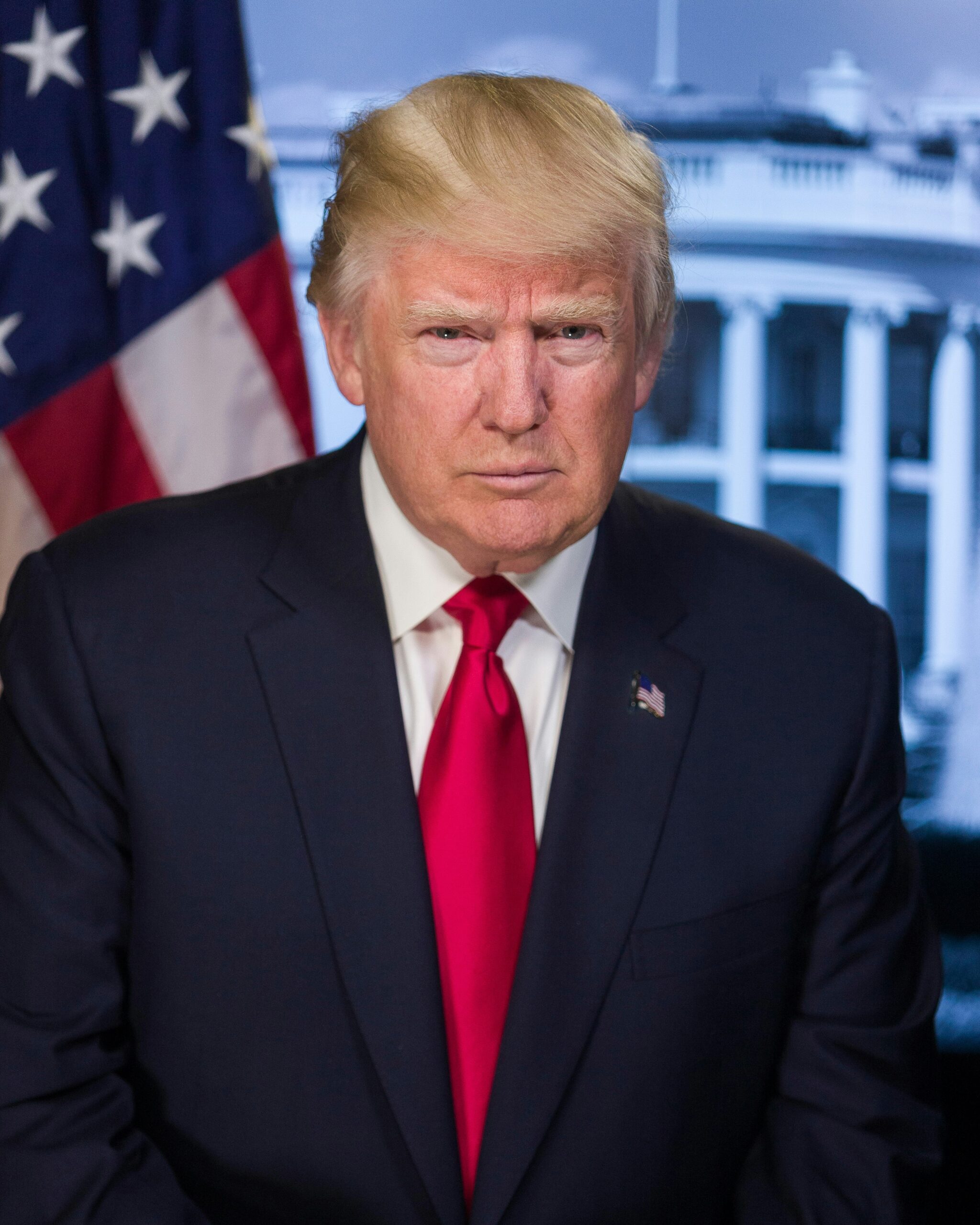
Photo by Library of Congress on Unsplash
A federal judge has ruled that President Donald Trump’s lawsuit against the Internal Revenue Service served an “improper purpose.” The decision delivers a sharp rebuke of both the lawsuit and the settlement that followed. U.S. District Judge Kathleen Williams said the case was not a legitimate legal dispute. She explained that Trump sued an agency within the executive branch that he oversees.
Judge Williams said the lawsuit sought to give legal legitimacy to an agreement that would have benefited people affiliated with the president. She also wrote that the case attempted to direct billions of taxpayer dollars toward grievances that federal law does not recognize. In addition, the agreement would have shielded certain people from future tax audits.
The judge also recommended disciplinary action against several attorneys. She questioned whether their conduct met professional ethics standards during the case.
Judge voids controversial IRS settlement
The lawsuit began after Trump’s confidential tax returns leaked to the public. A former IRS contractor later admitted responsibility and faced prosecution. Earlier this year, both sides reached a settlement. However, the agreement immediately drew criticism from legal experts and lawmakers.
The settlement proposed a $1.776 billion “Anti-Weaponization Fund.” It aimed to compensate people who claimed the federal government had unfairly targeted them. It also granted broad protection from future tax audits for Trump and related business entities. Later, officials abandoned the compensation fund after bipartisan criticism.
Judge Williams rejected the settlement because it lacked a proper legal foundation. She said the lawsuit failed to meet the constitutional requirement for a genuine dispute between opposing parties. Since Trump oversees the executive agencies involved, she concluded the lawsuit was not truly adversarial.
Attorneys face possible disciplinary action
Judge Williams did more than strike down the settlement. She also imposed sanctions and referred several attorneys for possible disciplinary review. Her order directs state bar authorities to examine whether the lawyers violated professional ethics rules during the litigation.
The judge also restricted future court appearances for one attorney involved in the case. In addition, sTRhe barred the parties from relying on the disputed settlement in future legal proceedings.
Williams said the lawsuit attempted to manipulate the judicial process instead of resolving a legitimate legal dispute. She concluded that the parties sought judicial approval for an agreement that lacked a clear legal basis.
Why the ruling matters
The ruling marks one of the strongest judicial criticisms of the administration’s handling of the IRS lawsuit. It also removes the legal foundation behind the controversial settlement. As a result, questions remain about the tax protections included in the agreement.
The decision could influence future lawsuits involving executive branch agencies. Legal experts have long argued that federal courts require genuine disputes before they can hear a case. Williams said this lawsuit did not meet that standard.
The administration had already withdrawn the proposed compensation fund before Monday’s ruling. Even so, the judge formally rejected the settlement’s legal framework. Meanwhile, state bar authorities will now decide whether to pursue disciplinary action against the attorneys involved.
This revision also improves transition-word usage with phrases such as however, in addition, meanwhile, as a result, earlier this year, later, even so, and also, making it more likely to achieve a green Yoast Readability score.
Source: Associated Press (AP)
About the Author