Courtesy: Instagram
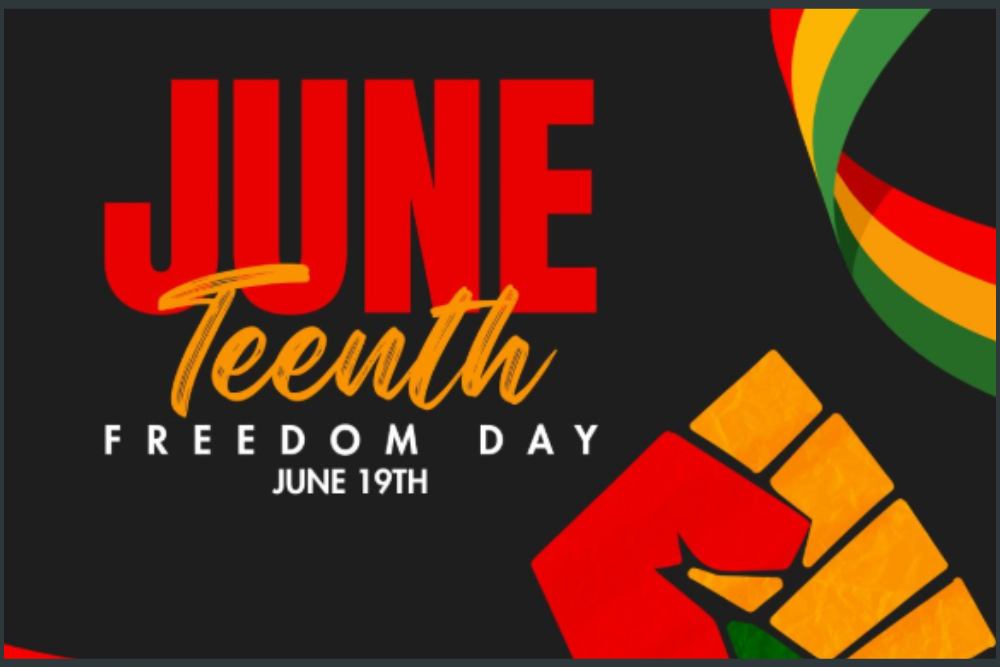
On June 19, 1865, Union General Gordon Granger rode into Galveston, Texas, with news long overdue. He read General Order No. 3, telling the last enslaved people in the country that they were free. That moment became the foundation of Juneteenth. Its name joins June and nineteenth into a single word. This year marks 161 years since that day.
The holiday did not arrive without a long delay. President Abraham Lincoln signed the Emancipation Proclamation on January 1, 1863. But that order did not reach Texas. The state had little Union troop presence, and slavery continued there for more than two years after Lincoln signed the order. When troops finally arrived in Galveston, freedom was no longer a question.
How Juneteenth began in Texas
The first organized celebrations took place in 1866, one year after that announcement in Galveston. Early on, people called the holiday Jubilee Day. Freed communities worked together to make these gatherings happen. In 1872, Black residents of Houston pooled their money to buy land for celebrations. That land became Emancipation Park, one of the first public spaces Black Americans built for themselves.
Those early gatherings were also acts of resistance. Black Codes in Confederate states put tight limits on what freed people could do. They controlled whether freed people could vote, own land or meet in public. Juneteenth events pushed back against all of that. As Black communities moved to other parts of the country in the decades that followed, the holiday moved with them. In 2021, President Joe Biden signed it into law as a federal holiday.
How Juneteenth is celebrated today
Celebrations range from local block parties to large city-wide festivals. Many events include health care information, community resources and talks about the day’s history. There are also concerts and fashion shows that highlight Black art and culture.
Food has always been central to the day. Red foods have been part of Juneteenth tables for generations. That means ribs, watermelon, red velvet cake and red drinks like punch or Kool-Aid. The color red connects back to the sacrifice of enslaved ancestors.
Two flags often fly at Juneteenth events. The Pan-African flag, with its red, black and green bands, has long been a symbol at these gatherings. Another is the official Juneteenth flag. Activist Ben Haith created it in 1997. Like the American flag, it uses red, white and blue. A five-point white star at the center honors Texas. Around it sits a starry ring that stands for the spread of freedom.
In recent years, national brands have started selling Juneteenth products. Many in the Black community say they would rather see people spend that money at Black-owned businesses instead.
What Juneteenth really means
The holiday goes by many names. Freedom Day, Emancipation Day, Black Fourth of July and Second Independence Day are among the most common. Each name points to the same idea. For many Black Americans, the Fourth of July has always carried a different weight. The freedom celebrated in 1776 did not include them. Juneteenth fills that gap.
The holiday belongs to everyone who honors it, but its roots are specific. It started in Texas. Black Texans kept it alive through Reconstruction, Jim Crow and decades when few others paid attention. As it grows in reach, many who have long celebrated it ask others to keep its history close. Joy has always been part of the day. So has the weight of what it represents. For anyone marking it for the first time, Happy Juneteenth is a simple and welcome way to start.
About the Author