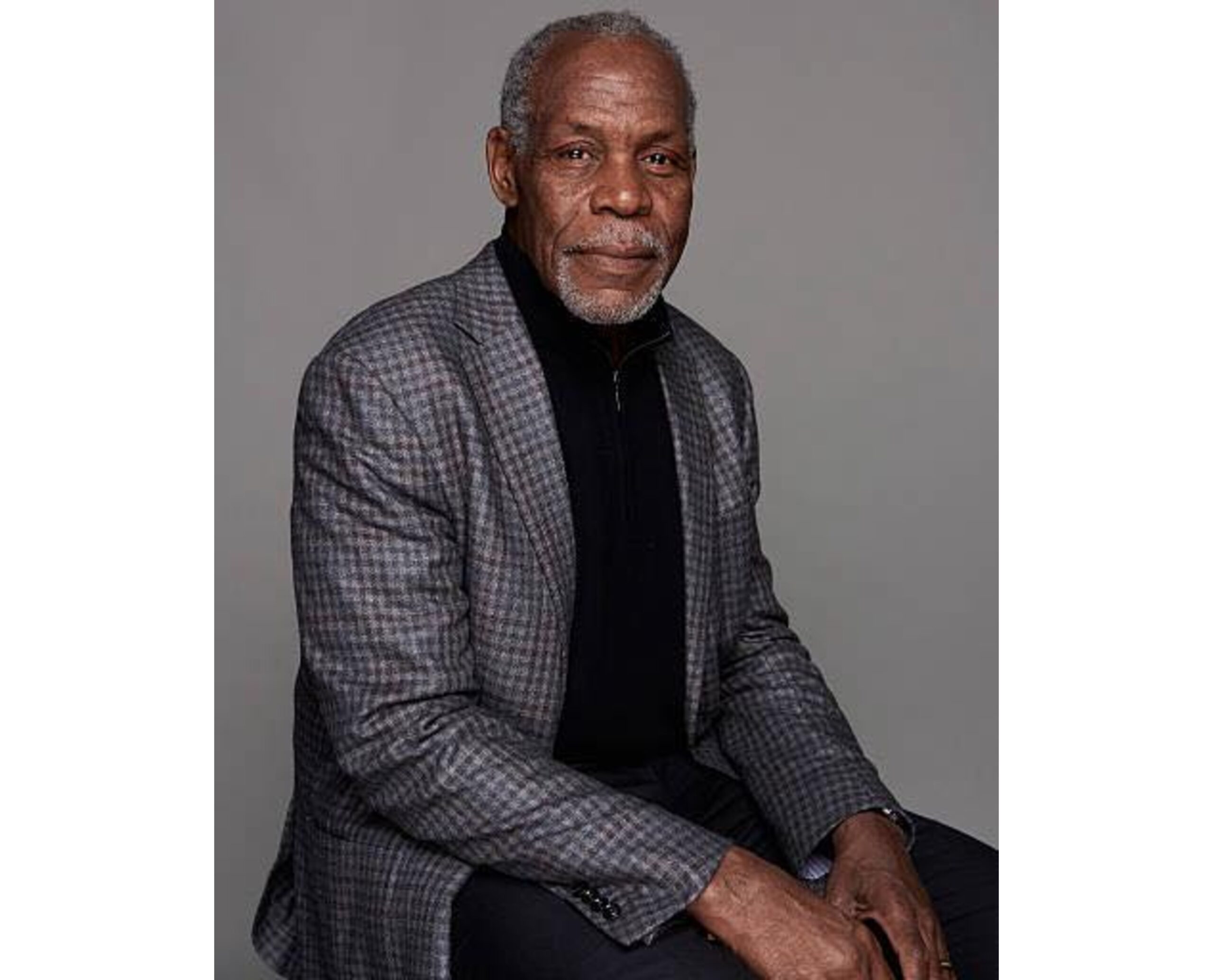
Photo credit: Danny Glover (Instagram)
Legendary actor Danny Glover revealed in a TODAY exclusive that he has been living with Alzheimer’s disease for several years. The 79-year-old Lethal Weapon star spoke with former NBC Nightly News anchor Lester Holt alongside his family. Together, they offered an intimate look at his life since the diagnosis. They also explained why he chose to speak publicly about it now.
Glover acknowledged that the disease will continue to evolve. However, he expressed confidence in the people around him. His family, he said simply and firmly, has his back.
A disease that disproportionately affects Black Americans
Glover is among more than 7 million Americans over the age of 65 currently living with Alzheimer’s. The disease is progressive and fatal. It gradually strips people of their memories and cognitive function. According to the Alzheimer’s Association, Black Americans are twice as likely to develop Alzheimer’s or another form of dementia compared to white Americans. That statistic makes Glover’s decision to speak out particularly meaningful for his community.
Since his diagnosis, Glover’s movements, speech and memory have slowed noticeably. Despite those changes, he remains active. He still attends events and stays engaged with his community in his native San Francisco.
The Alzheimer’s Association is currently working with Glover. The organization emphasizes that early detection can make a meaningful difference. Cognitive decline can begin up to 15 years before a formal dementia diagnosis. Furthermore, simple steps such as staying physically active, managing blood pressure and diabetes, prioritizing quality sleep and maintaining social connections can all help slow progression.
His daughter explains why the time to speak is now
Glover’s daughter Mandisa told Lester Holt that her father’s decision to go public was rooted in his desire to control his own narrative. She described this moment as the right time for him to speak for himself. Additionally, she noted that she had grown uncomfortable deflecting questions about his condition with vague reassurances.
For Glover and his family, coming forward is also about something larger. They believe that by sharing his experience openly, they can help chip away at the stigma that still surrounds Alzheimer’s disease. That stigma runs particularly deep in communities where difficult health conversations are often avoided.
A career and a life defined by purpose
Glover’s acting journey began in his early 20s at San Francisco State. The late playwright Amiri Baraka encouraged him to try the stage for the very first time. He had never performed before that moment.
From those beginnings, he built one of the most recognizable careers in Hollywood. He rose to international stardom playing Det. Roger Murtaugh alongside Mel Gibson in the Lethal Weapon franchise throughout the 1980s and 1990s. His dramatic work in Places in the Heart in 1984 and The Color Purple in 1985 further established his range as a performer. He now holds more than 170 acting credits across nearly four decades in film and television.
One particularly memorable Lethal Weapon scene involved Glover’s character sitting on a bomb-rigged toilet. The moment became so iconic that fans began bringing toilets to his public appearances for him to sign.
Beyond the screen, Glover dedicated enormous energy to social justice causes throughout his life. His parents, both committed activists, inspired that commitment from an early age. He served as a goodwill ambassador for the United Nations Development Program from 1998 to 2004, working on campaigns addressing poverty, disease and HIV/AIDS across Africa, Latin America and the Caribbean. UNICEF subsequently appointed him as a goodwill ambassador in 2004. His humanitarian work earned him the Jean Hersholt Humanitarian Award at the 2021 Academy Awards.
Family stands at the center of his journey forward
As Glover navigates life with Alzheimer’s, his family has become his primary foundation. His youngest brother Martin, who worked alongside him throughout his career, described the current moment as his turn to give back. The 2 brothers share memories of their parents and lean on each other as they face this chapter together.
Glover continues to speak with young people about community involvement and social responsibility. His ability to travel has become more limited due to his condition. Nevertheless, his message remains consistent. Justice is a collective responsibility, and people have the capacity to become the architects of their own change.
Source: TODAY, NBC Universal
About the Author