Photo credit: (X)
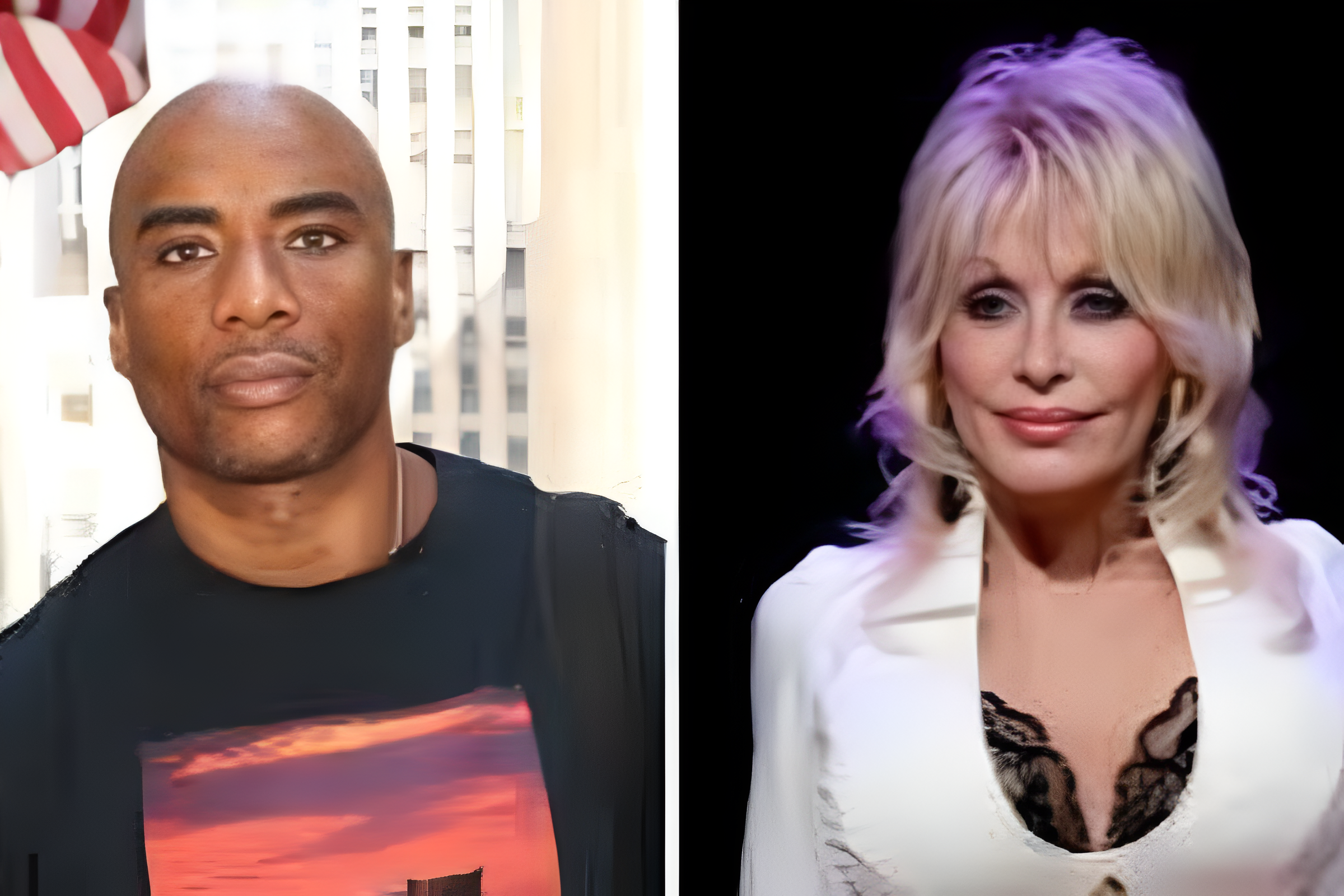
Charlamagne Tha God has raised questions about the way some celebrities are remembering Dolly Parton following her death at 80.
During the Aug. 26 episode of The Breakfast Club, Charlamagne criticized tributes that focus heavily on a celebrity’s personal connection with the country music icon. His point was simple. He believes public tributes should keep the attention on Parton and the life she built.
The comments have added another layer to the public conversation surrounding Parton’s passing. Tributes have arrived from musicians, actors and other public figures across entertainment. Many have shared personal memories as they celebrate her influence.
Charlamagne’s criticism does not appear to be aimed at grief itself. Instead, he is questioning what happens when a personal memory becomes the main focus of a tribute.
Why Charlamagne thinks Parton’s legacy speaks for itself
Charlamagne acknowledged that he never met Parton. Yet he argued that her career already provides more than enough material for people to understand her importance.
Parton spent nearly six decades building a career across music, film, television and business. She also became known for philanthropy, especially through Dolly Parton’s Imagination Library, which has distributed more than 300 million books to children.
That record gives fans plenty to discuss without relying on celebrity access. Her songs, business ventures and charitable work have become part of a legacy that reaches well beyond country music.
At the same time, the debate has a fair counterpoint. Personal stories can show sides of an artist that the public may never have seen. For some fans, those memories can make a famous person feel more human and connected to their own lives.
What the debate says about public grief
The disagreement touches on a larger issue in celebrity culture. Public figures now have immediate access to huge audiences when someone famous dies. Social platforms can turn a private memory into a public statement within minutes.
That creates a difficult balance. A personal tribute can honor the person who died while also revealing something about the person writing it. The distinction depends on where the attention lands.
Parton’s passing has already produced a wide range of responses. Artists including Beyoncé, Reba McEntire and others have reflected on her influence and their experiences with her.
Parton’s legacy remains the bigger story
Parton died Aug. 25 following a brief battle with cancer, according to her team. She was 80. Her family has encouraged people who want to honor her to support causes connected to her work, including the Imagination Library.
Charlamagne’s comments have therefore opened a conversation that goes beyond one radio segment. They ask whether celebrity mourning should center personal memories, public achievements or some balance of both.
For Parton, the scale of her career makes the answer difficult to narrow down. Her music and philanthropy have already given generations of fans their own reasons to remember her.
More in Entertainment
About the Author