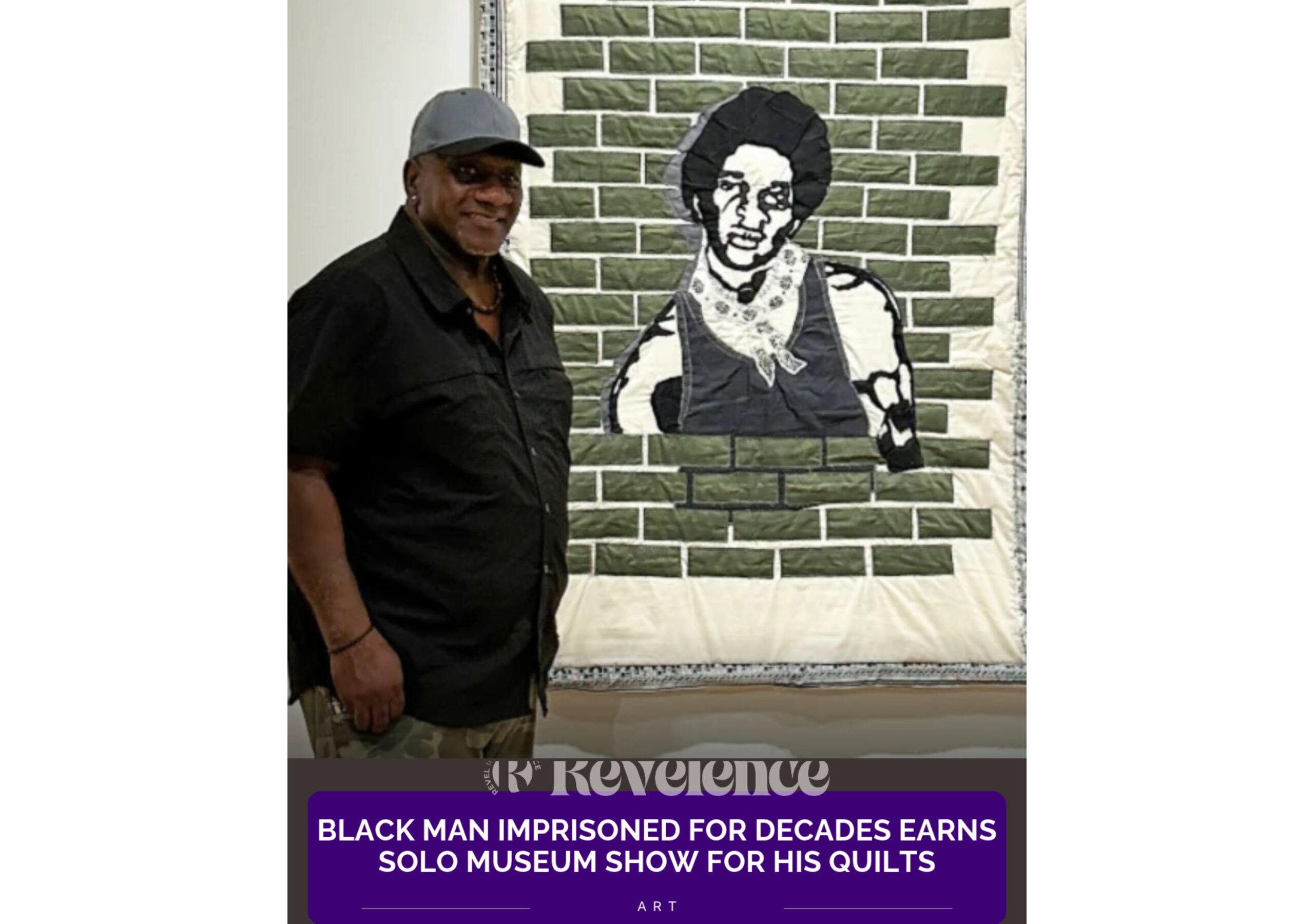
Photo credit: blackinformationnetwork/ Instagram
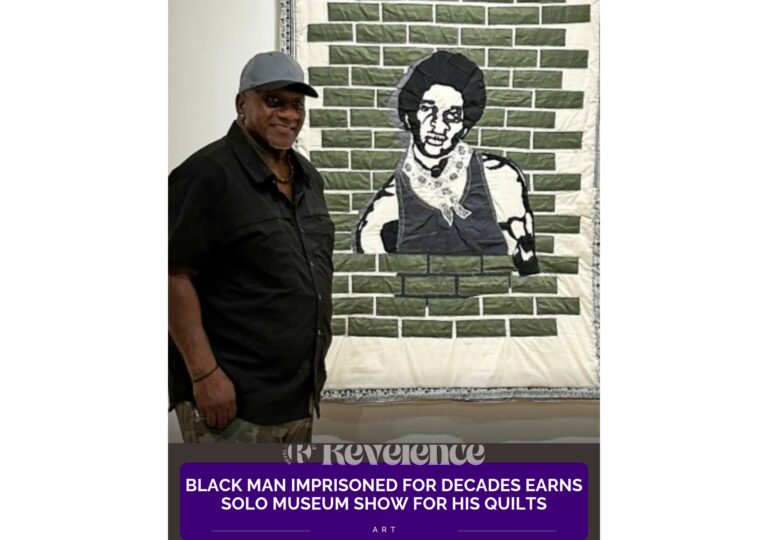
Gary Tyler, a Black man who spent more than four decades in prison after receiving a death sentence as a teenager, is gaining recognition for his artwork. His quilts are featured in Gary Tyler: Rebirth, a solo exhibition at the Grand Rapids Art Museum in Michigan.
The exhibition showcases textile works inspired by Tyler’s experiences in prison and the lives of people who remain incarcerated. His journey from decades behind bars to the museum’s galleries highlights the role art can play in telling personal stories.
Tyler learned to quilt while incarcerated at Louisiana State Penitentiary, also known as Angola. He used his skills to help raise money for the prison hospice program before developing his practice as a textile artist.
Gary Tyler was sentenced to death as a teenager
Tyler’s story began in Louisiana in 1974, when he was 16. During protests against school desegregation, a white mob attacked a school bus carrying Black students.
A gunshot killed 13-year-old Timothy Weber, and authorities charged Tyler with the murder. In 1975, an all-white jury convicted him of first-degree murder. He received a death sentence at age 17.
Tyler maintained his innocence for decades. His case later became part of wider discussions about racial discrimination and the treatment of young people in the criminal justice system.
In 2012, the U.S. Supreme Court ruled that mandatory life sentences without parole for juvenile offenders were unconstitutional. The decision applied retroactively, allowing people serving such sentences to seek relief.
In 2016, prosecutors agreed to vacate Tyler’s murder conviction in exchange for a guilty plea to manslaughter. He received a 21-year sentence but was released because he had already served approximately 41 years.
Quilting gave Tyler a creative outlet in prison
While incarcerated at Angola, Tyler learned to create quilts and help raise funds for the prison hospice program. The experience introduced him to a craft that would later become central to his artistic work.
His quilts combine fabric and appliqué to explore incarceration, personal experiences and the humanity of people behind bars.
Through his artwork, Tyler draws attention to individuals whose lives can be reduced to their criminal records or prison sentences. His pieces offer a way to tell their stories through color, texture and carefully assembled materials.
The work also reflects the experiences Tyler carried with him after decades in prison. Rather than separating his art from his past, he uses those experiences as part of his creative expression.
Gary Tyler: Rebirth brings his quilts to a museum
The Grand Rapids Art Museum’s exhibition, Gary Tyler: Rebirth, presents his textile works to a wider audience. The collection explores themes of resilience, incarceration and the lives of people affected by the criminal justice system.
The exhibition gives visitors an opportunity to encounter Tyler’s work beyond the circumstances of his conviction and imprisonment. It also highlights textile art as a medium for personal storytelling.
Tyler’s journey has drawn attention to the relationship between art and lived experience. His quilts carry stories shaped by decades of incarceration while inviting viewers to consider the people behind those experiences.
Tyler’s story extends beyond prison walls
Tyler’s solo exhibition represents a significant chapter in his artistic journey. His work brings together personal history, creative expression and reflections on life inside prison.
His experience also demonstrates how a skill learned during incarceration can become a means of communicating with the wider public. Through his quilts, Tyler shares perspectives that might otherwise remain unheard.
Gary Tyler: Rebirth gives audiences a chance to engage with those stories through his artwork. The exhibition places his creative work at the center while encouraging broader reflection on incarceration and human dignity.
View this post on Instagram
Source: NPR and the Grand Rapids Art Museum.
About the Author