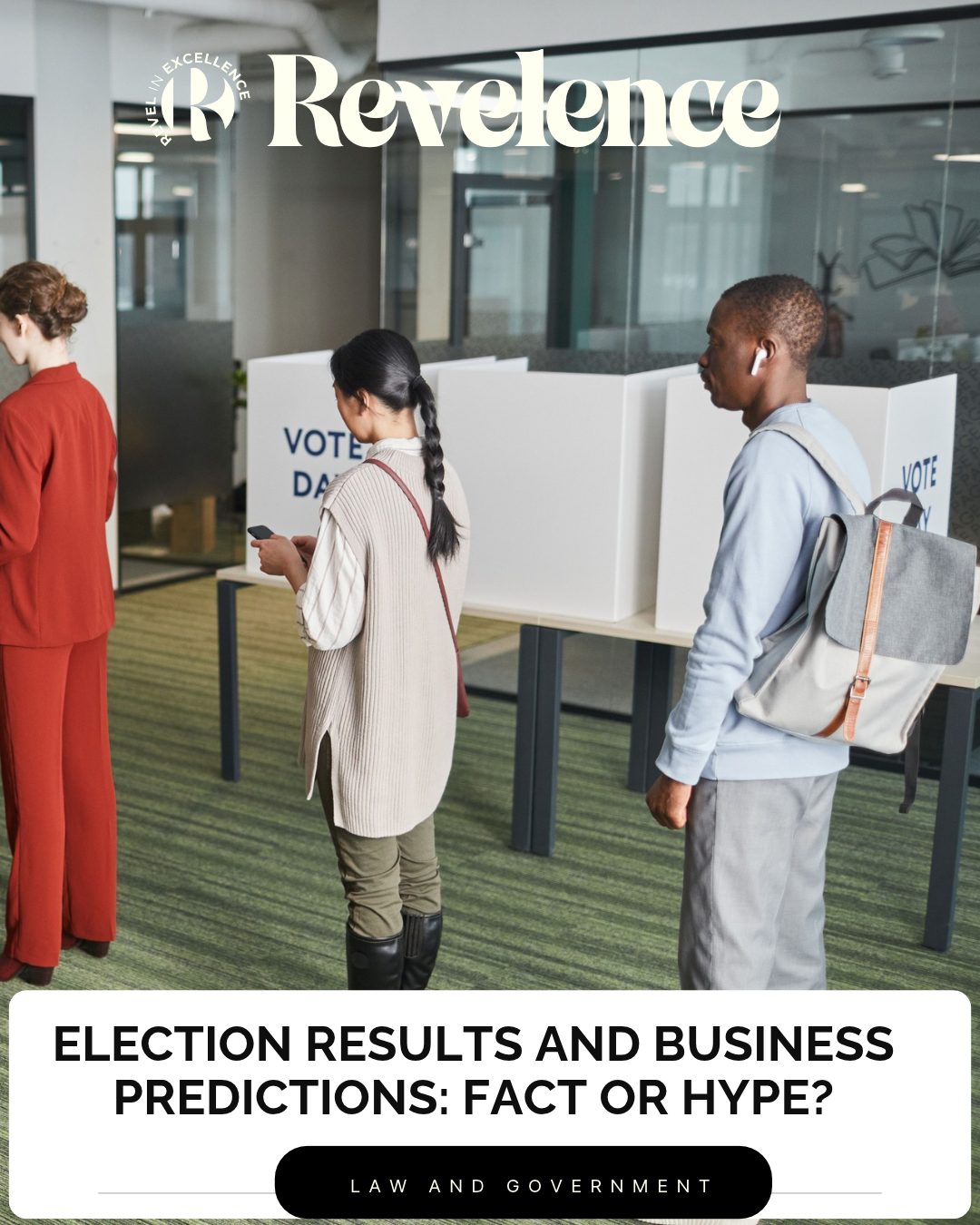
Election Day is over, and the headlines are loud. Many of them mix two very different things. Election results and business predictions are not the same, and treating them as one can cost you money and credibility.
This guide separates what is confirmed from what is still pending. It also explains the business stakes without predicting how markets will react. Think of it as a filter for the noise.
What Counts as a Confirmed Result?
A confirmed result is a vote count that election officials have certified. Everything before that point is preliminary. That includes projections and race calls from news outlets.
The Congressional Research Service explains how this works. It covers preliminary versus certified results, how results are finalized, and why election-night numbers can change. It is a strong reference to bookmark.
For official sources, start with the Federal Election Commission’s election results and voting information page. Then check your state election office for certified local totals.
What Has Been Projected So Far
As of Wednesday morning, November 4, 2026, news organizations are calling control of Congress. ABC News is projecting that Democrats will take control of both the Senate and the House.
Here is what the early numbers show:
- The Senate: Heading into Election Day, Republicans held 53 seats, Democrats held 45, and two independents held the rest. AP’s tracker showed Democrats with 54 seats and Republicans with 44, with Mississippi and Alaska still uncalled.
- The House: Democrats reached 218 seats on AP’s calls, which is a majority. The final margin is not yet known.
These are projections, not certified totals. The distinction matters, so keep it in mind as you read the rest of this article.
Still Pending: What to Label “Unconfirmed”
Several things remain open. Label each of them clearly in your own reporting, newsletters, and client updates.
- Uncalled races: The Mississippi Senate race is separated by only dozens of votes. Alaska is also uncalled.
- Final seat counts: Both chambers can still shift as ballots are counted.
- Certification: States must still certify their results. Recounts or legal challenges can also change totals.
- Official FEC data: Certified federal results appear after states finish their work.
Use plain labels such as “projected,” “uncalled,” and “certified.” Readers trust sources that mark the line between them.
Election Results and Business Predictions: The Key Difference
Here is the simplest way to tell them apart.
Election results answer one question: who won? They come from vote counts, official certification, and verified sources.
Business predictions answer a different question: what happens next? They rely on assumptions about policy, timing, and behavior. Nobody can verify them yet.
Both can be useful. However, they carry different levels of certainty. A projected Senate majority is a count. A forecast of how a company or sector will fare is an opinion.
This article does not predict market reactions. Instead, it focuses on the stakes you can actually track.
The Business Stakes to Watch
Control of Congress shapes the rules companies work under. Therefore, leaders should watch these areas closely. Each one is a question to monitor, not a forecast.
- Oversight and investigations. Committee chairs control hearings and subpoenas. A change in control changes who sets that agenda.
- Government funding. Congress writes the spending bills. Contractors and grant-dependent organizations track those deadlines.
- Taxes and trade. Both chambers must usually agree on major changes. The balance of power affects what can move.
- Regulation. Lawmakers can pressure agencies through hearings and budget decisions.
- Nominations. The Senate confirms many federal appointees, including regulators.
- Planning and compliance. Teams may need to update risk reviews and scenario plans as the final picture settles.
None of these items tells you what a stock, sector, or currency will do. They tell you where decisions will be made.
How to Read Post-Election Coverage Without Getting Fooled
First, check the source. Prefer official election offices, the FEC, and wire services with clear calling standards.
Next, look for the verb. “Projected” and “certified” mean different things.
Then, watch for hidden predictions. A sentence like “this will lift the sector” is a forecast, not a result.
Finally, check the timestamp. Counts change fast in the hours and days after a vote.
The Bottom Line
Clear thinking beats fast reaction. Separate what is confirmed from what is projected. Label what is pending. Then focus on the business stakes you can monitor.
Bookmark the FEC’s official page and the CRS reference. Return to them as certification moves forward. Your readers and clients will notice the difference.
About the Author