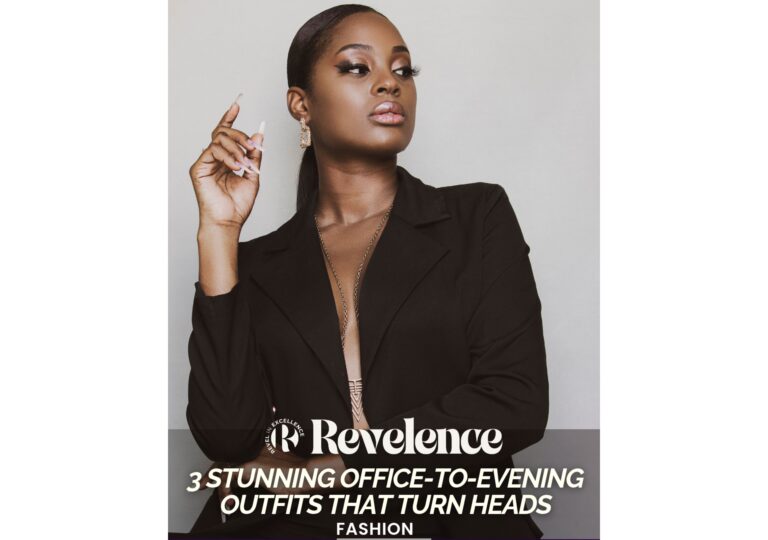
Photo by Ron Lach
Refreshing your wardrobe does not always mean buying new clothes. Sometimes, a skilled tailor can make an old outfit look new again. A loose dress, oversized blazer or worn pair of jeans may only need a few adjustments.
A tailor-first wardrobe refresh offers a practical way to save money and extend the life of clothing. Instead of replacing pieces that no longer fit, women can explore affordable repairs and alterations.
For Black women balancing personal style and rising clothing costs, this approach offers another way to enjoy fashion. It also encourages more thoughtful shopping and less unnecessary spending.
Why a tailor-first wardrobe refresh makes sense
A tailor-first wardrobe refresh starts with the clothes you already own. Before purchasing another outfit, check your wardrobe for pieces that need minor repairs or adjustments.
A dress that no longer fits may need a waist adjustment. An old blazer may look better with shorter sleeves. Even a pair of jeans with a damaged hem can become wearable again.
British Vogue explored this approach through a year-long clothing repair experiment. The project included fixing trouser hems, replacing loose buttons, repairing moth holes and restoring damaged shoes. These examples show how small repairs can help people enjoy existing clothes for longer.
For women with quality clothing that no longer suits their current style, alterations can offer a practical solution.
5 clothing repairs that can transform your wardrobe
Adjust dresses that no longer fit
A dress that feels too loose around the waist or too tight around the hips does not always need replacing. A tailor can adjust the seams, reshape the waist or modify the straps.
These changes can make an old dress more comfortable and flattering. They also help women get more use from occasion wear and everyday outfits.
Repair old jeans instead of replacing them
Denim is another wardrobe staple that benefits from professional alterations. A tailor can shorten long jeans, repair small tears and replace broken zippers.
Some repairs can also add a personal touch. Decorative patches and contrasting stitching can give older denim a refreshed appearance.
Reshape oversized blazers and jackets
An oversized blazer can make a strong fashion statement. However, an awkward fit may affect how the entire outfit looks.
A tailor can shorten the sleeves, adjust the sides or modify the length. These changes can create a more polished silhouette.
However, ask about the shoulders before approving major alterations. Reshaping this area can be complicated and expensive.
Restore traditional and occasion wear
Traditional African clothing often carries cultural and personal value. A loose seam, damaged zipper or changing fit does not always mean an outfit has reached the end of its life.
A skilled tailor may be able to replace fasteners, reinforce seams and adjust sleeves. Some garments may also benefit from updated necklines or hemlines.
This approach allows women to preserve meaningful pieces while making them suitable for current styling preferences.
Repair shirts, skirts and everyday essentials
Small repairs can make a noticeable difference to everyday clothing. Replacing missing buttons, fixing loose hems and repairing open seams can restore favourite wardrobe staples.
These jobs are often simpler than reconstructing an entire garment. They can also cost less than buying replacements.
Is tailoring cheaper than buying new clothes?
The financial benefit of clothing alterations depends on the garment and the repair required. A simple adjustment may cost less than replacing a quality item. However, extensive alterations can sometimes become expensive.
Before approving any work, request a price estimate from your tailor. Then compare the cost with the price of a suitable replacement.
Consider these examples:
- Trousers: Compare the cost of hemming or waist adjustments with buying another pair.
- Dresses: Check whether seam adjustments cost less than purchasing a replacement dress.
- Blazers: Consider whether sleeve and waist alterations justify keeping a quality jacket.
- Jeans: Compare zipper replacement and patching with the cost of new denim.
Do not assume every repair saves money. The goal is to identify which clothing items are worth keeping.
Repairing clothes can also reduce textile waste. The U.S. Environmental Protection Agency encourages consumers to repair and reuse items instead of automatically throwing them away.
When should you replace an item?
Not every garment deserves another repair. Sometimes, replacing an item is the more practical choice.
Clothes with extensive fabric damage, severe discoloration or several structural problems may not be worth restoring. Comfort also matters when deciding whether to keep an old garment.
Compare the estimated repair cost with the price of a similar replacement. If alterations cost almost as much as buying another quality item, replacement may make more financial sense.
Fabric quality is another important consideration. A well-made dress with durable material may justify professional restoration. A poorly constructed garment with several damaged areas may not offer the same value.
How to start a tailor-first wardrobe refresh
Starting a tailor-first wardrobe refresh does not require a large budget. Begin by reviewing your existing clothes and identifying pieces that need attention.
Separate them into three groups: items that need minor repairs, clothes that require professional alterations and garments that are no longer worth keeping.
Next, make a list of the changes you want. Take the clothes to a trusted tailor and request individual estimates before approving the work.
Ask about the expected completion date, fabric limitations and whether the proposed changes will affect the original design.
You can also learn basic clothing repairs at home. Sewing buttons, fixing loose seams and repairing small tears are useful skills that can reduce future alteration costs.
Your next favourite outfit may already be in your wardrobe
A stylish wardrobe does not have to depend on constant shopping. Sometimes, the best fashion investment is restoring something you already own.
A well-fitted dress, repaired pair of jeans or reshaped blazer can create new styling opportunities without the expense of replacing everything.
For Black women interested in personal style, thoughtful spending and sustainable fashion, a tailor-first wardrobe refresh offers a practical alternative to unnecessary purchases.
Before adding another item to your shopping cart, take another look at your wardrobe. Your next favourite outfit may already be hanging there.
Source: British Vogue
About the Author