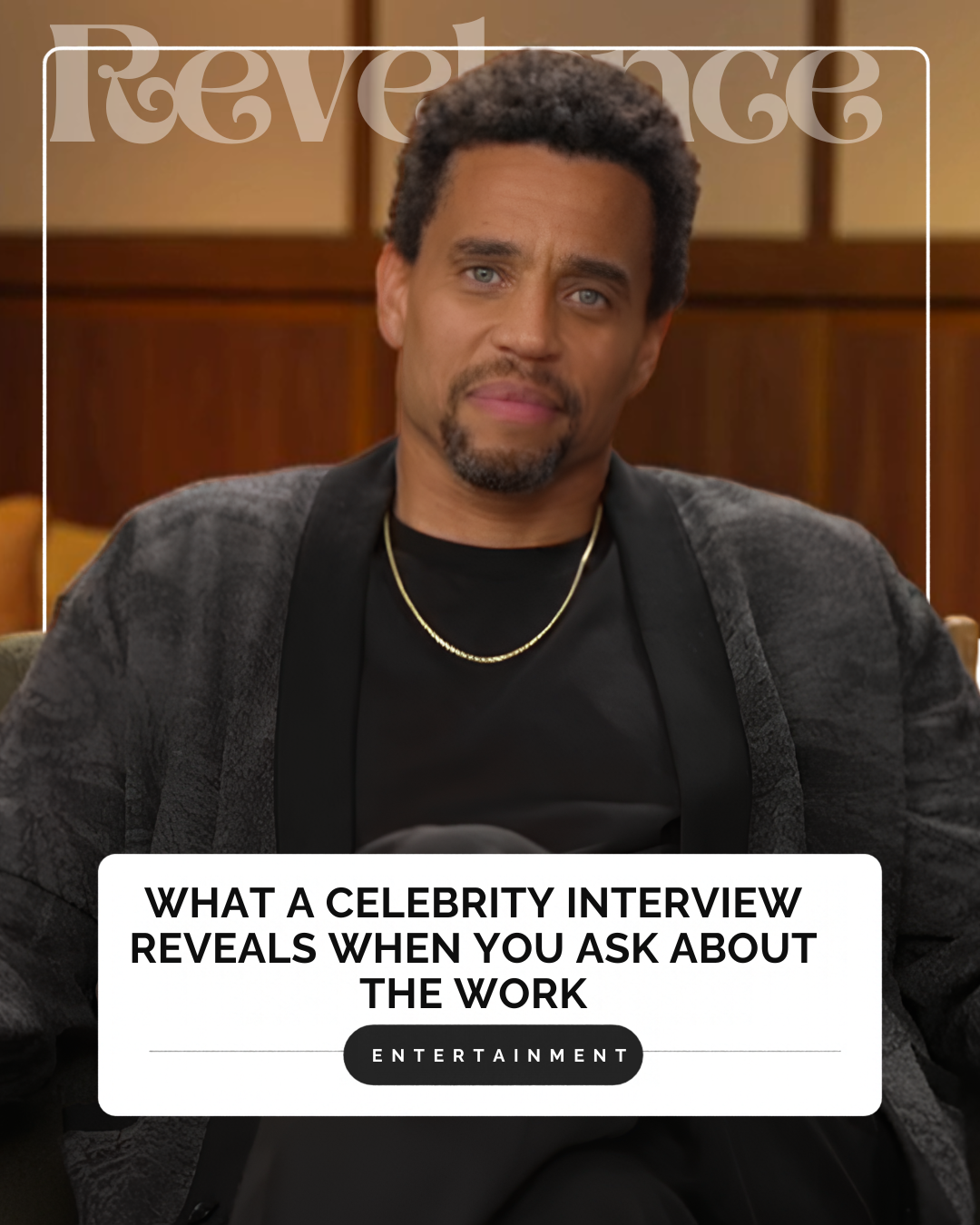
Photo credit: Michael Ealy
A celebrity interview can reveal much more than details about an upcoming film or television series. The right questions can uncover the preparation, research and personal decisions behind a performance. Michael Ealy’s conversation with Porsha Monique offers a powerful example of what happens when an interviewer asks an actor about the work.
During an interview for According to Porsha: The Podcast, Ealy discussed his portrayal of Malcolm X in The Greatest. The Prime Video series follows Muhammad Ali’s journey from Cassius Clay to a global icon, activist and cultural figure.
Rather than focusing only on Malcolm’s recognizable speeches and historical influence, the conversation explored what Ealy needed to understand before stepping into the role. His answers revealed the importance of research, personal relationships and emotional context in portraying a historical figure.
The exchange also demonstrated how a thoughtful question can move an interview beyond familiar promotional talking points.
A Question About Malcolm X Changed the Conversation
Malcolm X remains one of the most recognizable figures in Black American history. His speeches, activism and influence have shaped generations of cultural and political conversations.
However, Ealy wanted to understand more than the public image. He needed to explore the man behind the speeches and historical photographs.
To gain that perspective, he spoke with Ambassador Attallah Shabazz, Malcolm X’s daughter. Ealy explained that his first question focused on Malcolm’s experience as a father.
“The first question I asked his daughter, Ambassador Shabazz, was what kind of father was he,” he told Porsha Monique.
That question opened a different path into the character. Ealy also wanted to understand Malcolm’s relationship with his wife and the emotional connections that shaped his private life.
He explained that the answers helped him understand the man beyond the historical image.
“That private understanding was very important. It was the foundation,” Ealy said.
The response revealed an important part of his acting process. He did not want to rely solely on the public record. Instead, he sought a deeper understanding of Malcolm’s personal experiences.
The Work Behind Portraying a Historical Figure
Ealy’s preparation highlights the difference between recognizing a historical figure and understanding the person being portrayed.
An actor can study speeches, photographs, interviews and documented public appearances. These materials offer important information about how a person spoke, moved and interacted with the world.
However, they may not provide the emotional context needed to interpret private relationships.
For Ealy, speaking with Ambassador Shabazz added a personal perspective to his research. He wanted to understand how Malcolm loved his wife, how he related to his children and what those relationships meant to him.
That does not make one conversation a complete historical record. Instead, it shows how an actor can combine documented history with personal insight when developing a character.
His explanation also highlights why craft-focused interviews matter. Asking an actor what they needed to learn before accepting a role can reveal more than simply asking whether the experience was challenging.
Ealy Explains Malcolm X’s Complicated Relationship With Muhammad Ali
The conversation also explored Malcolm’s relationship with the young Cassius Clay, who would become Muhammad Ali.
In The Greatest, their connection provides an opportunity to examine mentorship, conviction and personal independence. Ealy explained that Malcolm’s position was complicated because he did not have the authority to decide whether Clay could join the Nation of Islam.
That decision belonged to the Honorable Elijah Muhammad. Malcolm also had a fractured relationship with the Nation during this period, which made the situation more difficult.
Ealy described Clay as determined to become a Muslim and join the organization. That determination eventually earned Malcolm’s respect.
The actor’s explanation revealed that their relationship involved more than a mentor guiding a young athlete. It also involved institutional authority, personal uncertainty and a young man determined to make his own choices.
This part of the interview showed how questions about character decisions can uncover the historical circumstances behind a performance.
Why Muhammad Ali’s Journey Still Matters
Ealy also explained why he believes audiences need to experience Muhammad Ali’s journey rather than simply recognize his name.
Many people know Ali as a celebrated boxer, activist and global icon. However, Ealy believes the story of Cassius Clay becoming Muhammad Ali deserves closer attention.
He connected that journey to the present, explaining that audiences have not fully learned from the struggles of previous generations.
“That journey matters enormously, especially right now, because in so many ways we have not learned from the past,” Ealy said.
His response moved the conversation beyond the series itself. It connected Ali’s coming-of-age story to questions about conviction, sacrifice and the willingness to stand by personal beliefs.
Ealy also praised creator Ben Watkins for confronting those themes directly.
What Porsha Monique’s Interview Reveals About Entertainment Journalism
The conversation with Ealy demonstrates why interviews about creative work deserve space in entertainment journalism.
Questions about research, preparation and artistic decisions invite actors to explain how they approach complicated roles. They also help audiences understand what happens before a character appears on screen.
For Ealy, portraying Malcolm X involved listening to someone who knew him personally, examining relationships that public history may not fully capture and considering the complicated circumstances surrounding Malcolm’s connection to Muhammad Ali.
These details offer readers a more meaningful understanding of the performance without simply repeating the film’s promotional message.
A celebrity interview becomes more revealing when the questions move beyond the finished product. Asking about the work can uncover the choices, research and human understanding that bring a character to life.
That is what makes Ealy’s conversation with Porsha Monique valuable. It gives audiences a closer look at the thinking behind the performance and reminds them that memorable portrayals begin long before the cameras roll.
The Greatest, created by Ben Watkins, premiered on Prime Video on November 4, 2026. All eight episodes are available on the streaming platform.
About the Author