Photo by Mark Stebnicki
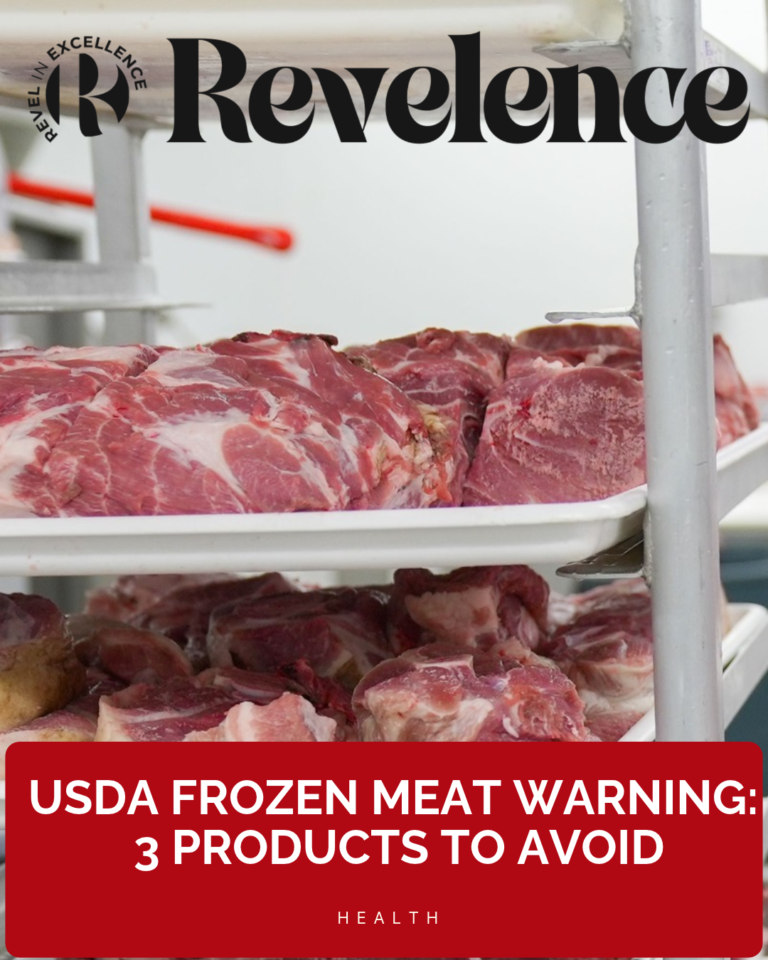
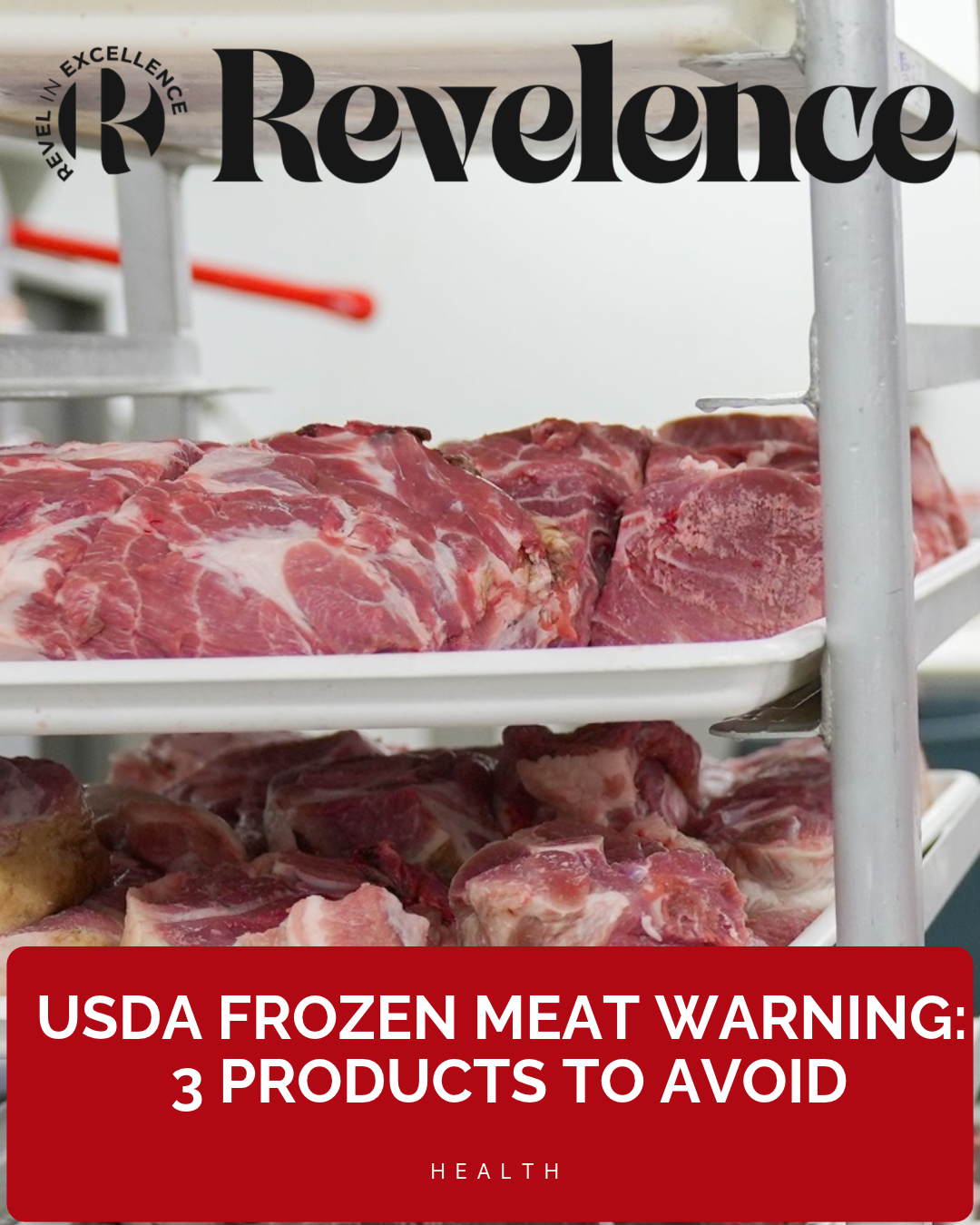
The U.S. Department of Agriculture (USDA) has issued a food safety warning urging consumers not to eat three frozen meat and poultry products sold nationwide. The affected foods may contain undeclared allergens that could trigger serious reactions in people with food allergies.
The USDA’s Food Safety and Inspection Service (FSIS) announced the warning on November 6, 2026. The agency identified Betterballen Foods LLC, a U.S.-based producer of Dutch foods, as the manufacturer.
According to FSIS, the products contain sesame, while the beef product also contains anchovy. However, the company did not list these ingredients on the product labels.
Although Betterballen Foods has not initiated a formal recall, federal officials warn that consumers may still have the products in their refrigerators and freezers. Therefore, anyone who purchased the affected foods should avoid eating them.
Which frozen meat products are affected?
The USDA warning covers three frozen products that Betterballen Foods manufactured on October 15, October 16 and October 27, 2026.
Lowlands House, a U.S.-European grocery retailer, sold the products online to customers nationwide. Additionally, the company may have sold them at a festival and farmers’ market in Greer, South Carolina.
Consumers can identify the affected products by checking their packaging, lot codes and establishment numbers.
The three products include:
- 6-piece Bami Rolls (pork): Lot codes BR-2026-01 and BR-2026-0. Best-by date: October 2027.
- 10-piece Saté Kroketten (chicken): Lot code SK-1026-01. Best-by date: October 2027.
- 12-piece Bitterballen (beef): Lot code BB-1026-01. Best-by date: October 2027.
All three products come in clear, vacuum-sealed packages with the Betterballen Foods label.
Furthermore, consumers should check for establishment numbers EST. M3177 or EST. P3177 inside the USDA mark of inspection.
These identifying details can help shoppers determine whether their frozen products fall under the federal safety warning.
Why did the USDA issue the food safety warning?
The warning centers on undeclared allergens that could threaten consumers with food allergies.
According to FSIS, the affected products contain sesame, but their labels do not identify the ingredient. In addition, the beef Bitterballen product contains anchovy, which the manufacturer also failed to declare.
These omissions create a potential health risk for people with sesame or fish allergies.
For example, someone with a sesame allergy could experience a reaction after eating an affected product without knowing that it contains the ingredient.
Allergic reactions can vary in severity. Some people may experience skin reactions, digestive problems or breathing difficulties. In severe cases, an allergic reaction can cause anaphylaxis, a potentially life-threatening medical emergency.
Therefore, the warning deserves particular attention from households that manage food allergies. Even familiar products can pose unexpected risks when manufacturers fail to disclose their ingredients.
Why was there no formal product recall?
Despite the safety concerns, Betterballen Foods has not initiated a formal recall.
FSIS explained that the affected products are no longer available for purchase. However, the agency recognizes that customers may still have previously purchased packages in their homes.
Consequently, the absence of a formal recall does not mean consumers can safely eat the products.
Instead, the USDA issued a do-not-eat warning to alert people who may have purchased the affected frozen foods.
Consumers should also understand that freezing does not remove the undeclared allergens. As a result, thawing, reheating or cooking the products will not make them safe for people with the relevant allergies.
What should consumers do with the affected products?
Consumers who purchased the affected Betterballen Foods products should not eat them.
FSIS advises customers to throw the products away or return them to the place of purchase.
Additionally, households should keep the affected foods away from family members and guests. This precaution is especially important when someone has a sesame or fish allergy.
Anyone who has already eaten the products and experiences a possible allergic reaction should contact a healthcare provider. Meanwhile, people experiencing signs of a severe allergic reaction should seek emergency medical attention immediately.
What consumers should know about food safety alerts
The latest USDA warning highlights the importance of checking food labels and following government safety announcements.
When reviewing a food safety notice, consumers should check the product name, lot number, establishment number and best-by date. These details help shoppers identify affected products before consuming them.
Moreover, a familiar brand name or intact package does not guarantee that a product contains no undeclared allergens.
Consumers can also monitor the USDA’s Food Safety and Inspection Service for updates about meat, poultry and egg product recalls and public health alerts.
Visit the agency’s official recalls and public health alerts page for additional information.
Sources: USA TODAY
About the Author