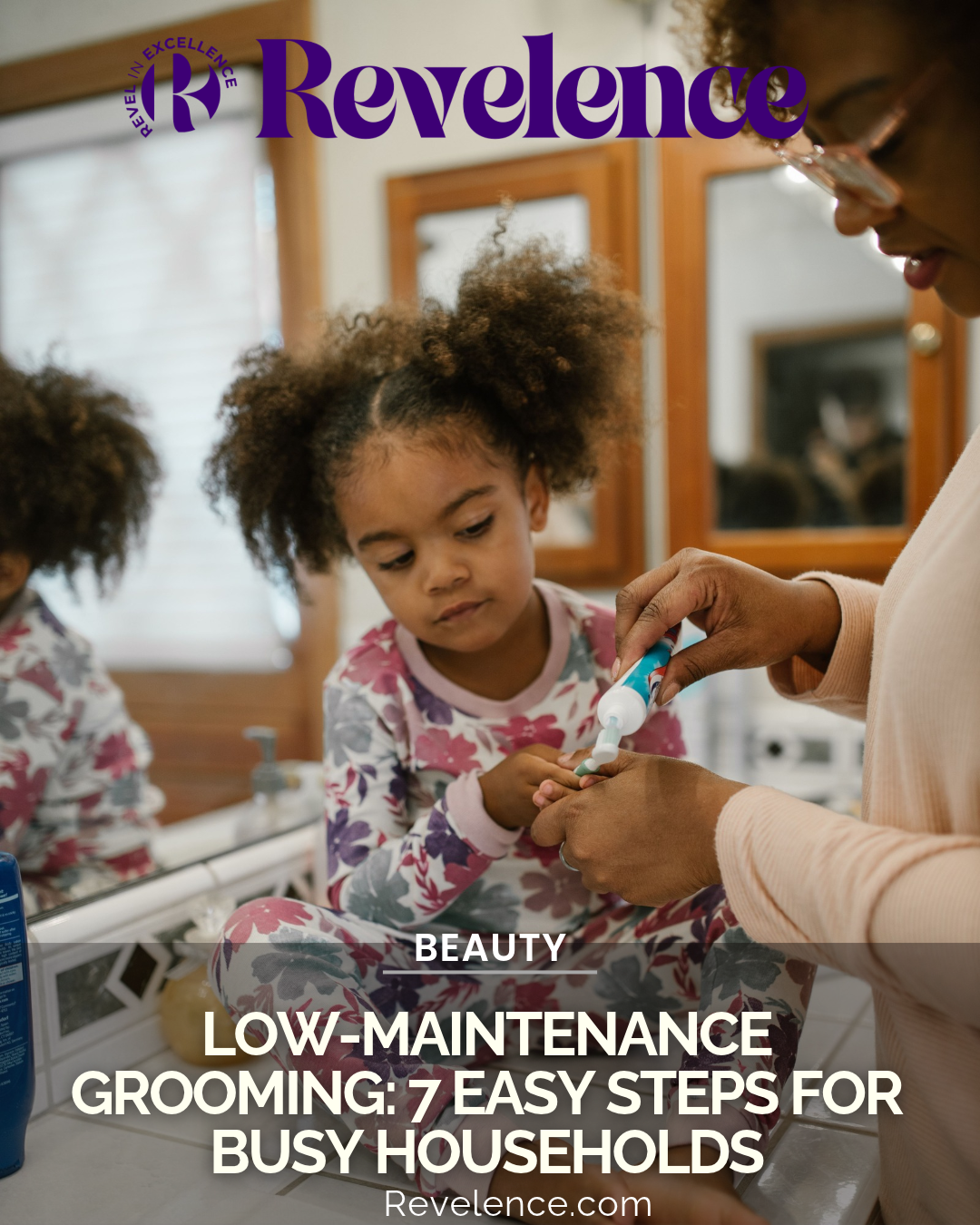
Photo by RDNE Stock project
A busy household rarely has time for complicated grooming routines. Between work, school, errands and family responsibilities, personal care can easily become another task competing for attention.
The solution does not have to involve expensive products or long bathroom routines. A practical grooming routine can focus on a few consistent habits that help everyone feel clean, comfortable and prepared for the day.
Adults, teenagers and children may have different grooming needs. However, families can build a shared system that makes everyday care easier without expecting everyone to follow identical steps.
Start with a simple morning hygiene routine
The easiest way to maintain grooming habits is to make the basics predictable.
A morning routine can include brushing teeth, washing the face, applying deodorant and wearing clean clothes. Each household member can complete these steps before leaving home.
Keep frequently used items in an accessible location. A small bathroom organizer can hold toothbrushes, toothpaste, face wash and other everyday essentials.
Children can use a simple visual checklist to remember their tasks. Adults can also benefit from keeping their morning products together instead of searching through different drawers.
The goal is consistency, not perfection.
Keep skincare simple and suitable for each person
A household does not need an extensive collection of skincare products.
Most people can begin with a gentle cleanser, moisturizer and sunscreen suited to their skin. The American Academy of Dermatology recommends broad-spectrum sunscreen with SPF 30 or higher for sun protection.
However, one product may not suit everyone. Skin can differ in sensitivity, oiliness and dryness. Children may also need products designed for their age and skin needs.
Avoid assuming that a family member should use another person’s products simply because they are available. Keep personal skincare items separate, especially when someone experiences irritation.
A simple routine that people can maintain is often more practical than a complicated collection of products.
Create a realistic hair-care schedule
Hair care can take considerable time, particularly in households with different textures, lengths and styling preferences.
Instead of treating every grooming task as a daily activity, create a schedule based on individual needs.
For example, someone with short hair may prefer a quick daily styling routine. A person with longer or textured hair may need more time for detangling, moisturizing or protective styling.
Families can make hair care easier by keeping essential tools together. These may include combs, brushes, hair ties, moisturizer and styling products.
For children, parents or caregivers can plan hair-washing and styling days around school and other activities.
Avoid forcing everyone into the same schedule. Hair texture, length and personal preference should guide the routine.
Make nail care a weekly household habit
Nail care is easy to overlook when schedules become crowded.
A weekly grooming session can help household members check their fingernails and toenails, trim them when needed and clean beneath the nails gently.
Keep nail clippers, a nail file and other basic tools in one designated container. However, personal tools should not be shared without proper cleaning.
Children may need adult supervision when using nail clippers. Avoid cutting nails too short or trimming cuticles aggressively.
A regular check can also help families notice changes that may need professional attention.
Organize grooming products by person
A crowded bathroom can make simple routines unnecessarily stressful.
Assign each household member a small storage basket, drawer section or shelf. Labeling these spaces can help children identify their belongings and reduce confusion.
Separate everyday products from occasional items. Toothpaste, deodorant, moisturizer and hair products should be easy to reach, while less frequently used products can stay in a separate storage area.
Check expiration dates and replace empty products before they become urgent purchases.
Families should also avoid sharing personal items such as razors, toothbrushes and certain grooming tools.
This organization system saves time and makes it easier to see what the household actually needs.
6. Build grooming around individual schedules
A routine becomes difficult to maintain when it ignores people’s daily responsibilities.
Someone who leaves home early may prefer to shower and prepare clothes the night before. Another household member may have more time in the morning.
A practical schedule can divide grooming into daily and weekly activities.
Daily habits
- Brush teeth and maintain oral hygiene.
- Wash the face as needed.
- Apply deodorant.
- Use moisturizer and sunscreen when appropriate.
- Wear clean clothes and maintain personal cleanliness.
Weekly habits
- Check and trim nails.
- Wash or refresh hair according to individual needs.
- Clean grooming tools.
- Restock essential products.
- Prepare outfits and accessories for busy days.
This approach keeps everyday routines short while giving less frequent tasks a clear place in the household schedule.
Give everyone responsibility for personal care
Grooming should not become another responsibility carried by one person in the household.
Adults can manage their own products and schedules. Older children can learn age-appropriate tasks, while younger children may need reminders and supervision.
A shared household checklist can identify which supplies need replacing and when common spaces need cleaning.
However, personal grooming decisions should remain individual. People should be able to choose hairstyles, products and routines that suit their preferences and needs.
The aim is to make personal care manageable, not to create another set of household rules.
Make grooming easier to maintain
A low-maintenance grooming routine works best when it fits real life. Families do not need identical products, complicated schedules or lengthy morning rituals.
Start with basic hygiene, simple skincare, manageable hair care and regular nail maintenance. Then organize products so everyone can find what they need.
Most importantly, share household responsibilities and allow each person to adjust the routine to their own needs.
Small, consistent habits can make grooming easier to manage, even when the household has a full schedule.
About the Author