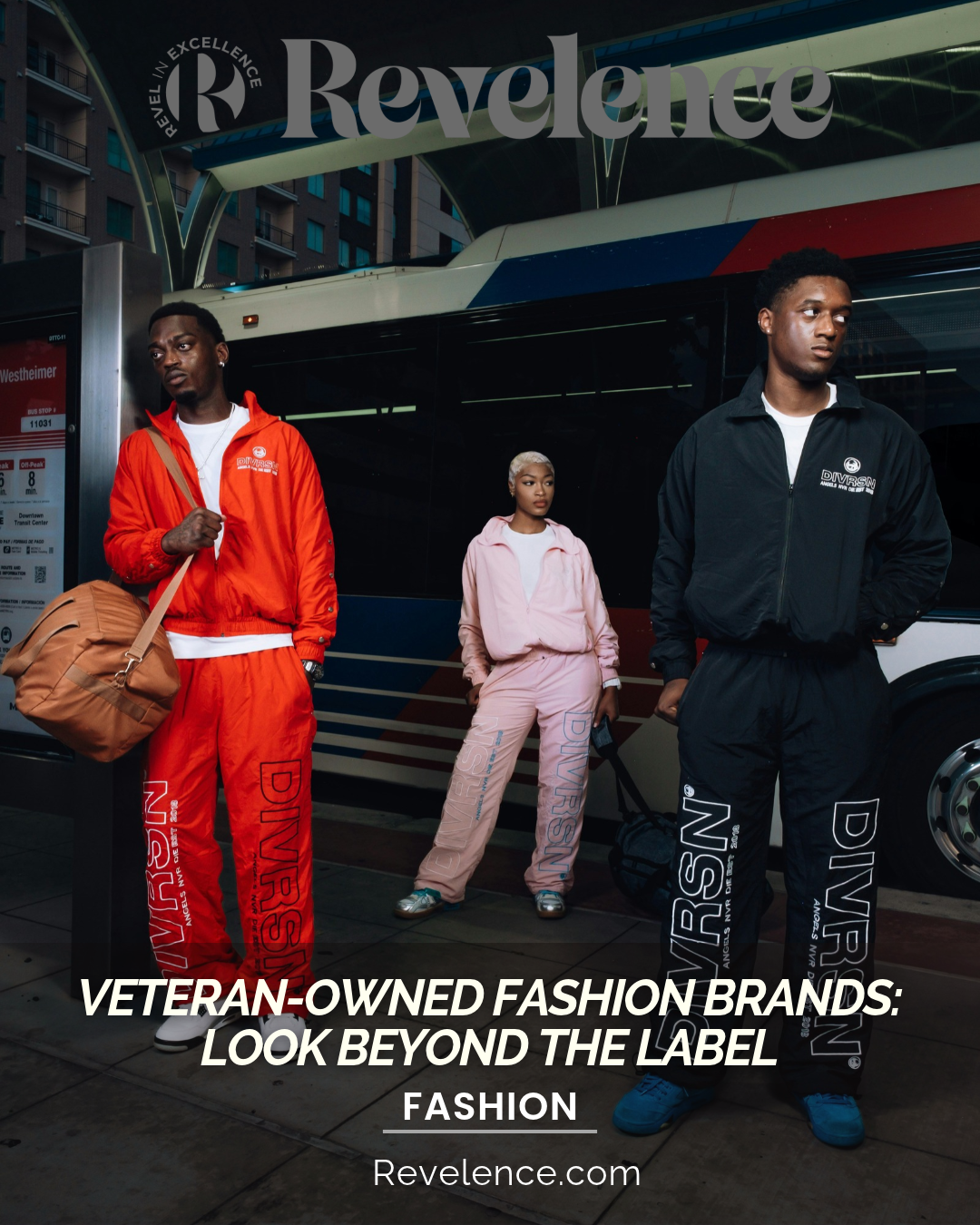
Photo by kam myers on Unsplash
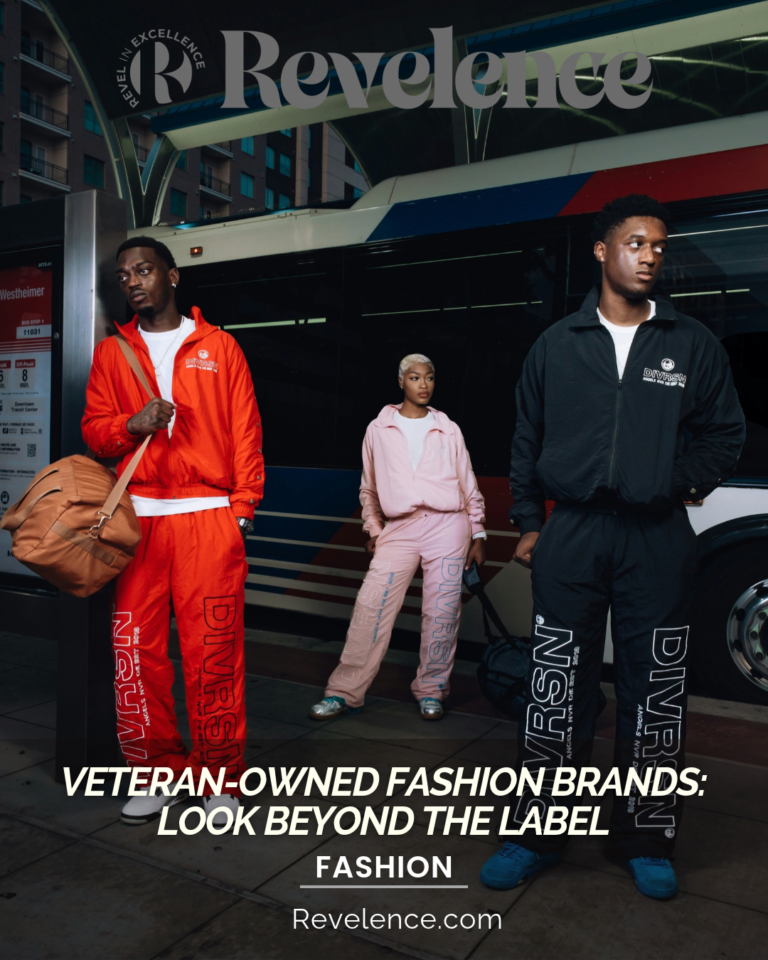
A clothing label can tell a story, but shoppers should look beyond the logo before deciding where to spend their money. Veteran-owned fashion brands bring different experiences into the clothing industry, from military-inspired graphic apparel to performance wear and accessories made with repurposed materials.
Some businesses build their identity around patriotic designs. Others use their military connections to shape product development, employment opportunities or environmental initiatives.
However, a veteran connection alone does not explain how a business operates. Shoppers should also consider who founded the company, what it sells, how its products are made and whether its mission has a meaningful place in its business model.
Three brands illustrate different approaches to fashion and veteran entrepreneurship.
Grunt Style turns military pride into everyday apparel
Grunt Style built its identity around patriotic clothing and military-inspired designs. Its product range includes graphic T-shirts, hoodies, hats and other lifestyle apparel.
According to the company’s official history, former U.S. Army drill sergeant Daniel Alarik founded the business in 2009 with $1,200. The company began in Fort Benning, Georgia, before expanding through events, military installations and online sales.
Its mission centers on pride in self, the military and the country. The brand also describes itself as veteran-founded and operated.
Grunt Style’s business model combines direct-to-consumer apparel sales with retail locations, membership benefits and customer rewards. Its Club Grunt Style membership, for example, offers monthly products and shopping benefits.
The brand also highlights its employment of veterans and partnerships offering discounts to military personnel and other eligible customers.
For shoppers, the appeal is straightforward. Grunt Style offers clothing for people who want military-inspired designs and patriotic messaging as part of their everyday wardrobe.
However, buyers should still evaluate the quality, fit, fabric and price of individual products rather than assuming the company’s background guarantees a particular standard.
Born Primitive connects performance clothing with military experience
Born Primitive takes a different approach by focusing on athletic, training and lifestyle apparel.
The company was co-founded in 2014 by Bear Handlon and Mallory Riley. Handlon served as a U.S. Navy SEAL officer while helping build the business.
Its product range includes men’s and women’s activewear, training apparel, footwear and outdoor clothing. The brand also operates a tactical collection designed around military and operational use.
Born Primitive describes itself as a veteran-owned and operated company. Its founders’ backgrounds and athletic experience are part of its brand identity.
The business grew from a small garage operation into a larger lifestyle apparel company. Its website describes a growth strategy built without outside capital.
Its model focuses on developing and selling performance-oriented products directly to customers. The company also supports charities connected to military personnel and first responders.
For consumers, this distinction matters. A training shirt, pair of leggings or outdoor garment should be assessed for its intended use, material composition, fit and construction.
The veteran connection provides context for the brand, but shoppers should still compare the specifications of each product with competing athletic labels.
Sword & Plough gives military surplus a second life
Sword & Plough offers a fashion model that connects product design with material reuse and veteran employment.
Sisters Emily Núñez Cavness and Betsy Núñez founded the company. Emily served as a U.S. Army officer, and her military experience helped inspire the business.
Rather than concentrating primarily on military-themed clothing, the brand uses repurposed military materials to create bags and accessories.
Its product concept gives surplus fabrics and other materials a new purpose through contemporary designs. The company also works with American manufacturers that employ veterans.
Sword & Plough has described a business model that connects sales with veteran employment, waste reduction and charitable support. Its published materials have also highlighted donations of 10% of profits to veteran organizations.
The company’s mission goes beyond putting a military-inspired design on a product. It connects the materials, manufacturing relationships and social impact to its identity.
Its collaboration with Vera Bradley also demonstrates how a mission-led accessories business can work with an established fashion company to reach more consumers.
For shoppers, the brand offers another way to explore fashion connected to military service without relying on traditional patriotic graphics.
What should shoppers verify before buying?
The phrase veteran-owned can mean different things in everyday brand marketing. A veteran may have founded a company, currently operate it or hold a qualifying ownership stake.
Those descriptions should not be treated as interchangeable.
In the United States, the Small Business Administration’s veteran-business certification program provides a formal route for eligible businesses seeking recognition as veteran-owned or service-disabled veteran-owned small businesses.
For federal contracting purposes, the certification process examines ownership and control requirements. A company’s claim that it was founded by a veteran is not, by itself, proof of certification.
Shoppers can take several practical steps before making a purchase:
- Check the founder’s background: Look for a named founder and credible information about military service.
- Understand current ownership: Ask whether the veteran still owns and controls the business.
- Inspect the products: Review fabric details, sizing, construction, care instructions and return policies.
- Read the mission carefully: Look for specific employment, charitable or sustainability commitments.
- Compare the business model: Understand whether the company sells directly, uses retail partners or works with outside manufacturers.
- Check independent evidence: Look for credible interviews, business records and relevant certification listings.
The value goes beyond the veteran label
Veteran-owned fashion brands do not all serve the same customer or follow the same business model. Grunt Style focuses on patriotic lifestyle apparel, Born Primitive emphasizes performance clothing, and Sword & Plough connects accessories with material reuse and veteran employment.
That variety gives shoppers more to consider than a label or slogan.
The strongest purchasing decision comes from understanding both the product and the company behind it. A meaningful mission can make a brand worth exploring, but quality, transparency, price and business practices should remain part of the conversation.
Source: U.S. Department of Veterans Affairs
About the Author