Photo by Ketut Subiyanto
Holiday travel can bring families together, but preparing for a trip becomes more complicated when someone needs regular medical care or mobility assistance. For family caregivers, a successful holiday journey requires more than booking flights, packing clothes and confirming accommodation.
Medications, accessibility, emergency contacts and dependable caregiving support all need attention before departure. Without proper planning, an unexpected delay, missed medication or inaccessible hotel room can turn a family celebration into a stressful experience.
The Centers for Disease Control and Prevention (CDC) recommends that travelers with chronic health conditions plan ahead with their healthcare providers. The agency also advises carrying sufficient medication and preparing for unexpected travel delays.
A practical holiday travel checklist can help caregivers organize these responsibilities while making room for everyone to enjoy the season.
Review Medications Before Leaving Home
Medication preparation should be one of the first items on a caregiver’s holiday travel checklist. People managing chronic conditions may depend on specific medication schedules, prescriptions and medical supplies.
Start by reviewing the travel dates with the person’s healthcare provider. Confirm that prescriptions will cover the entire trip and include additional supplies in case transportation delays extend the stay.
The CDC recommends keeping medications in their original, labeled containers and packing them in carry-on luggage rather than checked baggage. Caregivers should also carry copies of prescriptions and a written medication list showing generic names and dosages.
If the trip involves crossing time zones, ask the prescribing healthcare professional whether medication schedules need adjustment. Some medicines also require refrigeration or protection from extreme temperatures.
For international travel, check the destination country’s medication restrictions before departure. A prescription that is legal at home may be restricted elsewhere.
Confirm Accessibility at Every Destination
Accessibility involves more than checking whether a hotel advertises wheelchair access. Caregivers should confirm that the entire journey accommodates the person’s mobility and medical needs.
Before booking accommodation, ask about step-free entrances, elevators, accessible bathrooms, shower grab bars and suitable bed heights. If the person uses a wheelchair or walker, confirm that doorways and common areas provide enough space.
Transportation arrangements also deserve attention. Contact airlines, train operators or other transportation providers early to request assistance where necessary.
The CDC advises travelers with disabilities to research wheelchair availability and other medical equipment at their destinations. Some travelers may need to arrange equipment rentals before arrival.
Caregivers should also consider walking distances, restroom access and opportunities to rest during family activities. A realistic itinerary can help prevent unnecessary physical strain.
Arrange Respite Care Before the Holiday
Family caregivers deserve time to rest during the holidays, too. However, taking a break requires a dependable plan for the person receiving care.
The National Institute on Aging (NIA) explains that respite care provides temporary relief for primary caregivers. Depending on the arrangement, support can last a few hours, several days or longer.
Before traveling, identify relatives, trusted friends or qualified professional caregivers who can share responsibilities. Discuss the person’s daily routine, medication schedule, mobility needs and emergency procedures with anyone providing assistance.
If several relatives are attending the same celebration, divide responsibilities instead of expecting one person to manage everything. One family member might coordinate transportation while another handles meals or medication reminders.
Caregivers can also explore local respite services when professional support is necessary. Arranging assistance early makes it easier to avoid last-minute gaps in care.
Prepare an Emergency Contact Sheet
An emergency contact sheet can help family members and medical professionals respond quickly when something unexpected happens.
Prepare a printed copy and save a digital version on a phone. Include the following information:
The traveler’s full name and date of birth.
Emergency contacts and their phone numbers.
Healthcare providers and their contact details.
Current medical conditions and known allergies.
Medication names, dosages and administration schedules.
Health insurance information.
Accommodation address and travel itinerary.
Nearby hospitals, clinics and emergency services.
Include the names and contact details of people who can make important care decisions when appropriate. Make sure the primary caregiver and another trusted family member have access to the information.
The CDC recommends carrying medical information and emergency contact details while traveling. It also advises travelers to identify healthcare facilities at their destinations before departure.
Pack Medical Supplies and Everyday Essentials
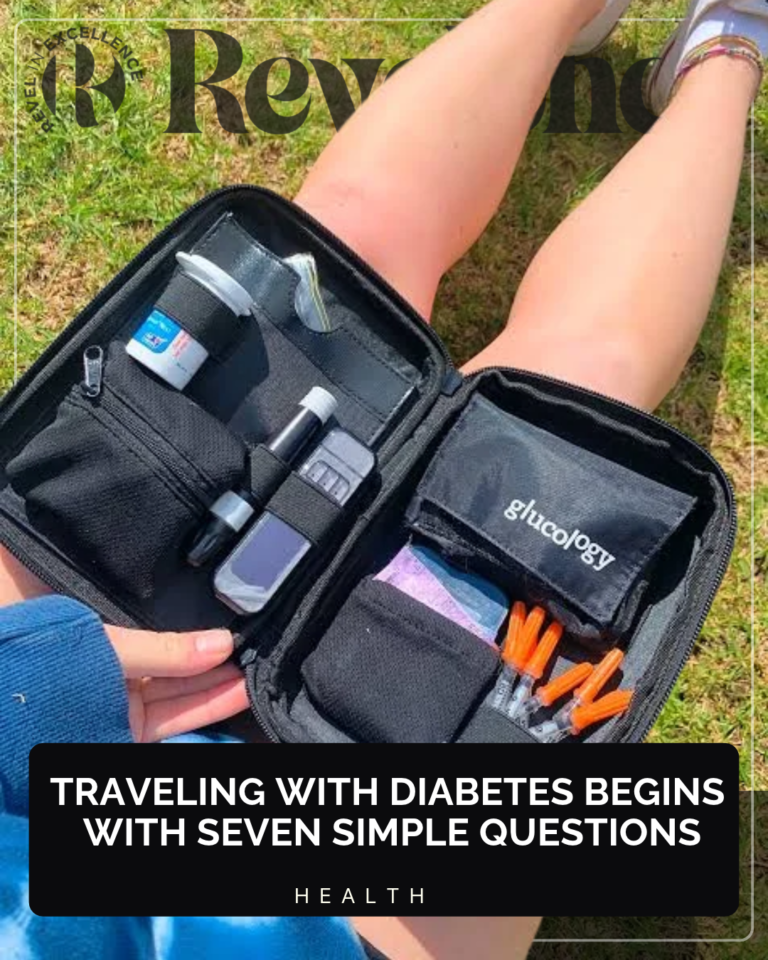
A separate medical travel bag can make essential supplies easier to locate during the journey.
Depending on the person’s needs, consider packing:
Prescription medications and copies of prescriptions.
Medical devices, chargers and spare batteries.
Mobility aids and necessary accessories.
Incontinence products and personal hygiene supplies.
First-aid supplies and prescribed emergency medication.
Glasses, hearing aids and spare batteries.
Medical identification or an alert bracelet.
Appropriate clothing and comfortable footwear.
Keep frequently needed items accessible rather than placing everything in checked luggage. Check the manufacturer’s storage instructions for medical devices and temperature-sensitive supplies.
The CDC recommends preparing a travel health kit based on individual medical needs, the destination and the length of the trip.
Build a Flexible Holiday Itinerary
A packed holiday schedule can become exhausting for someone managing a health condition or mobility limitation.
Instead of planning several activities in one day, prioritize the gatherings that matter most. Allow time for meals, medication, rest and personal care.
Discuss the proposed schedule with the person receiving care. Their preferences should help determine which activities are realistic and enjoyable.
Caregivers should also identify quieter spaces where the person can rest if family gatherings become overwhelming.
For longer journeys, schedule appropriate breaks and confirm that rest stops have accessible facilities. Flexibility can help families respond to fatigue, unexpected symptoms or transportation delays without abandoning the entire holiday plan.
7. Confirm the Emergency Plan Before Departure
Before leaving, make sure everyone involved understands what to do if the traveler becomes ill, misses medication or needs urgent medical attention.
Identify the nearest hospital or medical facility and confirm how to reach it. Review travel insurance coverage and determine whether it includes medical treatment or emergency transportation.
If traveling internationally, check whether the person’s regular health insurance provides coverage abroad. The CDC advises travelers to understand their medical coverage and consider additional travel health insurance when necessary.
Share the itinerary with a trusted person who is not traveling. Agree on regular check-ins and make sure family members know who to contact if plans change.
A short family discussion before departure can prevent confusion when quick decisions become necessary.
Make Holiday Travel Easier for Everyone
Holiday travel should allow families to reconnect, not create additional pressure for the person providing care.
A thoughtful checklist helps caregivers prepare for medication needs, accessibility requirements, respite arrangements, and unexpected emergencies. It also gives relatives a clearer understanding of how they can contribute.
The National Institute on Aging offers downloadable caregiving worksheets that families can use to coordinate responsibilities and organize medication information.
Caregivers do not have to manage every detail alone. With early preparation, shared responsibilities and appropriate professional guidance, families can make holiday travel safer, more comfortable and more enjoyable for everyone.
About the Author