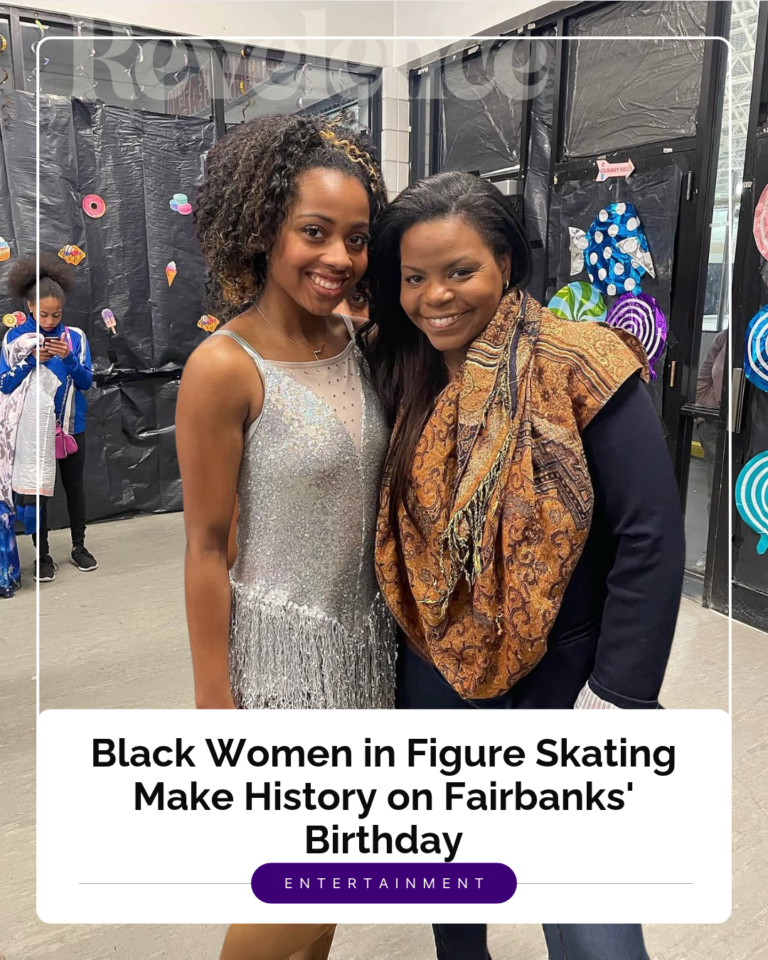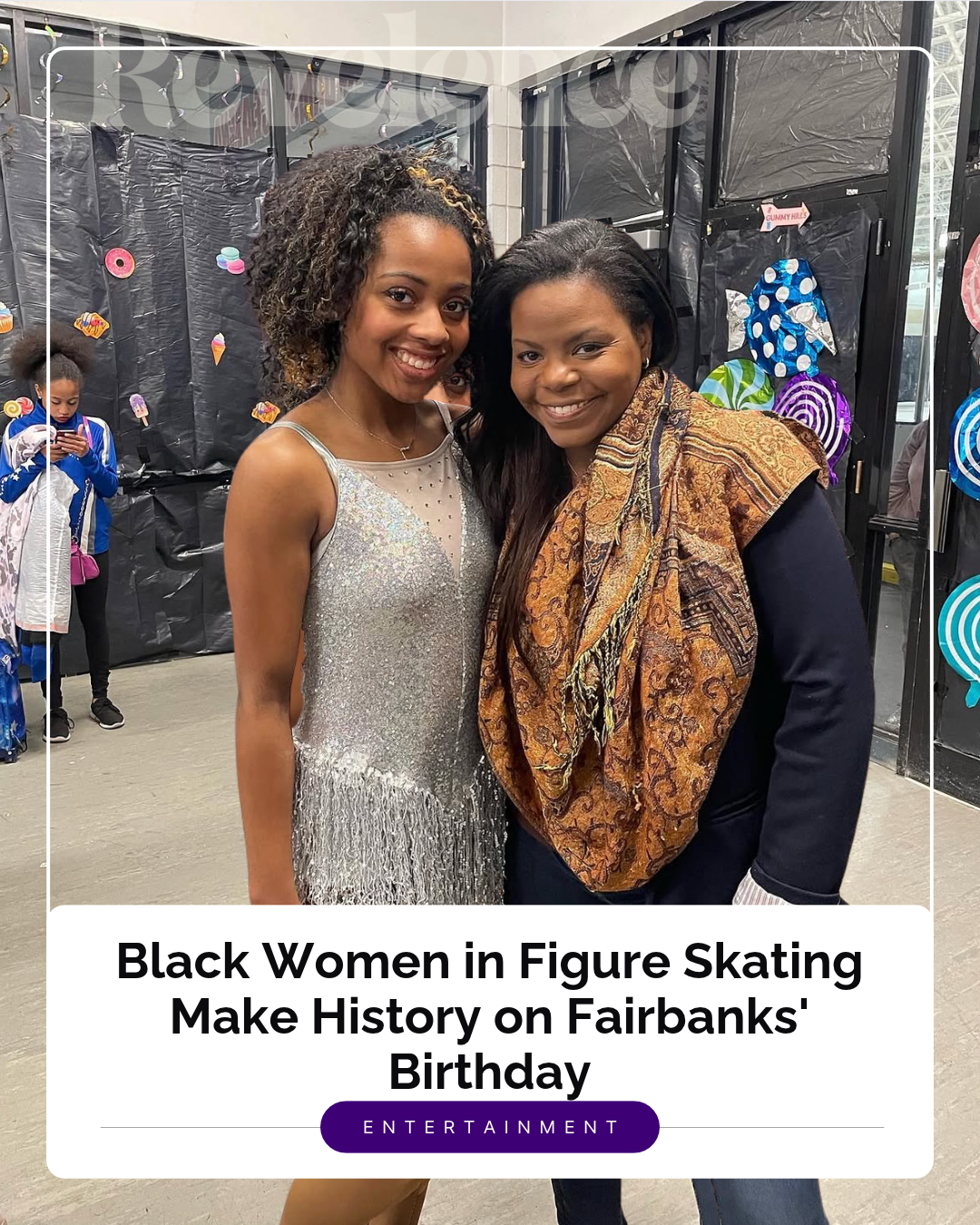
Two Black women in figure skating have reached important milestones on a day that celebrates one of the sport’s pioneering figures. Their achievements took place on November 14, 2026, the birthday of legendary Black skating coach Mabel Fairbanks.
Nina Herron-Robinson and Alexa Gasparotto made history through coaching and athletic achievement. Both women have connections to Metro Detroit, adding local significance to their accomplishments.
Herron-Robinson served as the head coach of senior women’s singles competitor Milena Topini at the Midwestern Sectional Singles Final in Bloomfield Hills. Meanwhile, Gasparotto became the first Black woman to land a triple Axel at an International Skating Union Grand Prix event.
Their milestones highlight the growing visibility of Black women in a sport that has long struggled with racial representation.
Nina Herron-Robinson Reaches a Coaching Milestone
Herron-Robinson, an African American resident coach at the Detroit Skating Club, has coached Topini for 13 years.
At the November 14 competition, she served as Topini’s head coach in the senior women’s event. Her achievement is believed to make her the first African American woman in U.S. Figure Skating history to lead a senior women’s singles competitor at the U.S. Midwestern Sectional Championships.
The milestone reflects years of dedication to coaching and athlete development. It also creates an important example for young Black skaters who want to pursue leadership roles in the sport.
For Herron-Robinson, the timing made the achievement even more meaningful. The competition took place on Fairbanks’ 111th birthday.
She also recognized Fairbanks’ influence on generations of Black skaters and coaches. Her milestone offers another reminder that representation matters both on the ice and behind the boards.
Alexa Gasparotto Lands a Historic Triple Axel
Gasparotto achieved her own milestone at Skate America in Everett, Washington.
The Canton native represents Arctic Edge Figure Skating Club in Canton, Michigan. During her Grand Prix debut, she landed a triple Axel as the opening jump of her short program.
The achievement made her the first Black woman to land the jump at an ISU Grand Prix event, according to the announcement.
U.S. Figure Skating also records Gasparotto as the first Black woman to land the jump in competition in 2025.
The triple Axel is a technically demanding jump that requires three and a half rotations in the air. Landing it on the Grand Prix stage marked an important moment in Gasparotto’s competitive career.
Her accomplishment also carries meaning for young athletes who rarely see themselves represented in the sport’s biggest competitions.
Mabel Fairbanks’ Legacy Lives On
Fairbanks was born on November 14, 1915. Although she demonstrated exceptional skating ability, racial segregation prevented her from accessing many competitive opportunities.
She also faced discrimination throughout her coaching career. In her oral history, Fairbanks recalled how some families preferred white coaches when their skaters reached the national level.
She also described coaching celebrated pairs skaters Tai Babilonia and Randy Gardner while another coach received public recognition at competitions.
Despite these barriers, Fairbanks continued contributing to the sport. In 1997, she became the first African American inducted into the U.S. Figure Skating Hall of Fame.
Her legacy helped create opportunities for future generations of Black athletes and coaches.
Two Milestones Connect Past and Present
Herron-Robinson and Gasparotto achieved their milestones in different roles, but their accomplishments share an important connection.
One represents progress in coaching leadership, while the other demonstrates growing representation among elite competitors.
Both achievements also bring renewed attention to Fairbanks’ influence. Her birthday provided a meaningful backdrop for two women continuing the work of expanding opportunities in figure skating.
Their stories show why representation remains important in sports. Young athletes need to see that they can compete, lead and succeed in spaces where people who look like them were once excluded.
More than a century after Fairbanks’ birth, these milestones offer another chapter in the continuing story of Black women in figure skating.
About the Author