Photo Courtesy: Pexel/Ivan S
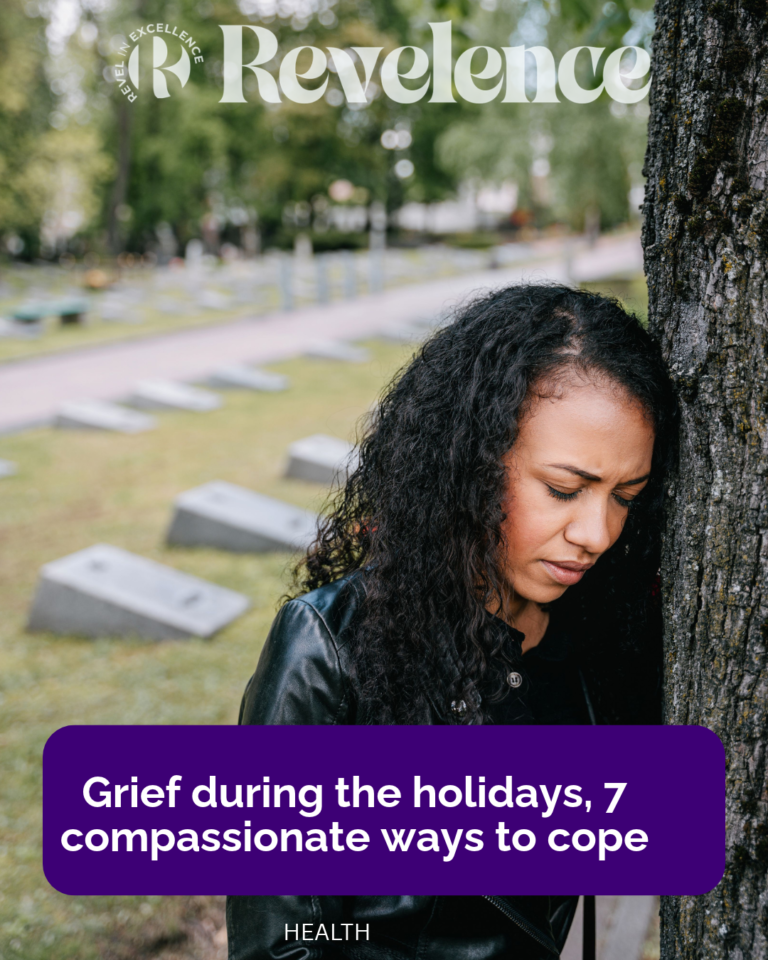
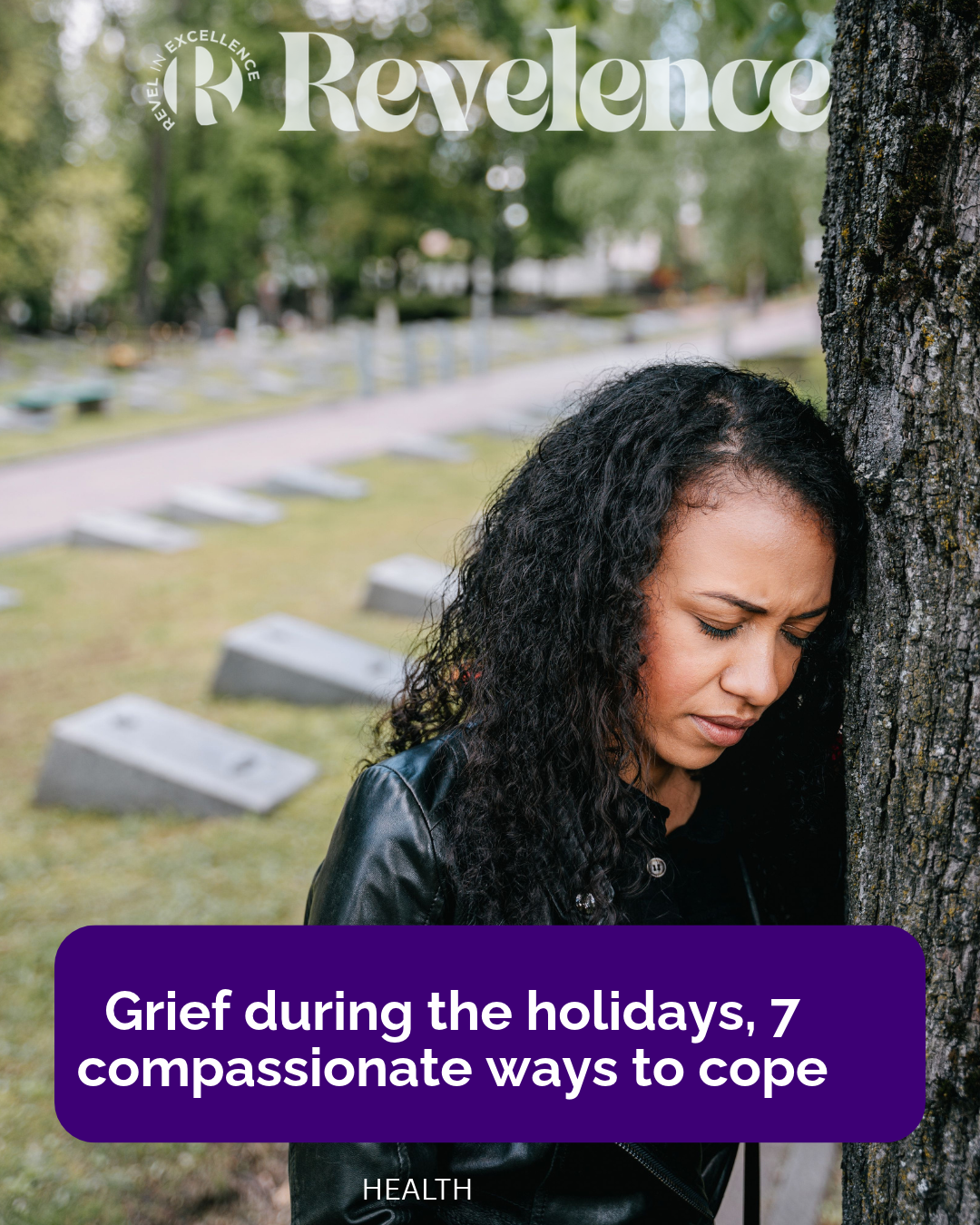
Holiday songs promise joy, and every store window seems to sparkle. For people who have lost someone they love, though, the season can feel painfully out of step. An empty chair at the table, a missing voice on the phone or a tradition that no longer feels the same can bring loss rushing back. Grief during the holidays is real, common and deeply personal. There is no single right way to move through it and no deadline for feeling better. What helps most is making room for grief instead of pushing it aside.
Why grief during the holidays can feel heavier
The holidays are built around family, memories and rituals. Those same things can sharpen the sense that someone is missing. Even people who felt steady in recent months may notice old feelings returning. That is not a setback. It is a normal response to a season full of reminders.
1. Release the pressure to feel festive
You do not have to match the mood around you. It is OK to scale back decorations, skip events or celebrate quietly. Give yourself permission to feel sad, numb, grateful or even joyful, sometimes all in the same day.
2. Expect waves, not a straight line
Grief rarely follows a neat path. A song, a smell or a favorite recipe can bring a sudden wave of emotion. Some years may feel easier, while others feel harder. Healing looks different for everyone, and comparing your journey to someone else’s can add unnecessary pain.
3. Choose which traditions to keep
Decide which customs still bring comfort and which feel too heavy right now. You might keep some, pause others or create new ones. Lighting a candle, sharing stories at dinner or cooking a loved one’s signature dish can help keep their memory present.
4. Plan gatherings with an exit in mind
Social events can feel overwhelming. Before you go, decide how long you will stay. Driving yourself or arranging a quiet signal with a trusted person can make it easier to leave if you need a break.
5. Let others know what helps
Friends and family often want to help but may not know how. Tell them if you would like to hear your loved one’s name and swap stories. If you need space instead, it is fine to say that too.
6. Care for your body
Grief can affect sleep, appetite and energy. Try to eat regular meals, rest when you can and get outside for fresh air or gentle movement. Be mindful of alcohol, which can deepen low moods.
7. Get support for grief during the holidays
You do not have to carry loss alone. Support groups, faith communities and trusted friends can offer comfort. A licensed grief counselor or therapist can provide guidance tailored to your situation.
Consider reaching out for professional help if grief makes daily tasks feel impossible for a long stretch, if you feel hopeless or if you are leaning on alcohol or other substances to cope. If you ever have thoughts of ending your life, call or text 988 in the U.S. to reach trained crisis counselors at any hour, or call 911 in an emergency.
Supporting someone through grief during the holidays
If someone you love is grieving, simple gestures matter. Invite them to events without pressure to attend. Mention their loved one by name and listen without trying to fix their pain. A short text saying you are thinking of them can mean more than you realize.
The holidays may never feel quite the same after a loss, and that is OK. With patience and support, many people find ways to hold both sorrow and moments of warmth during the season.
About the Author