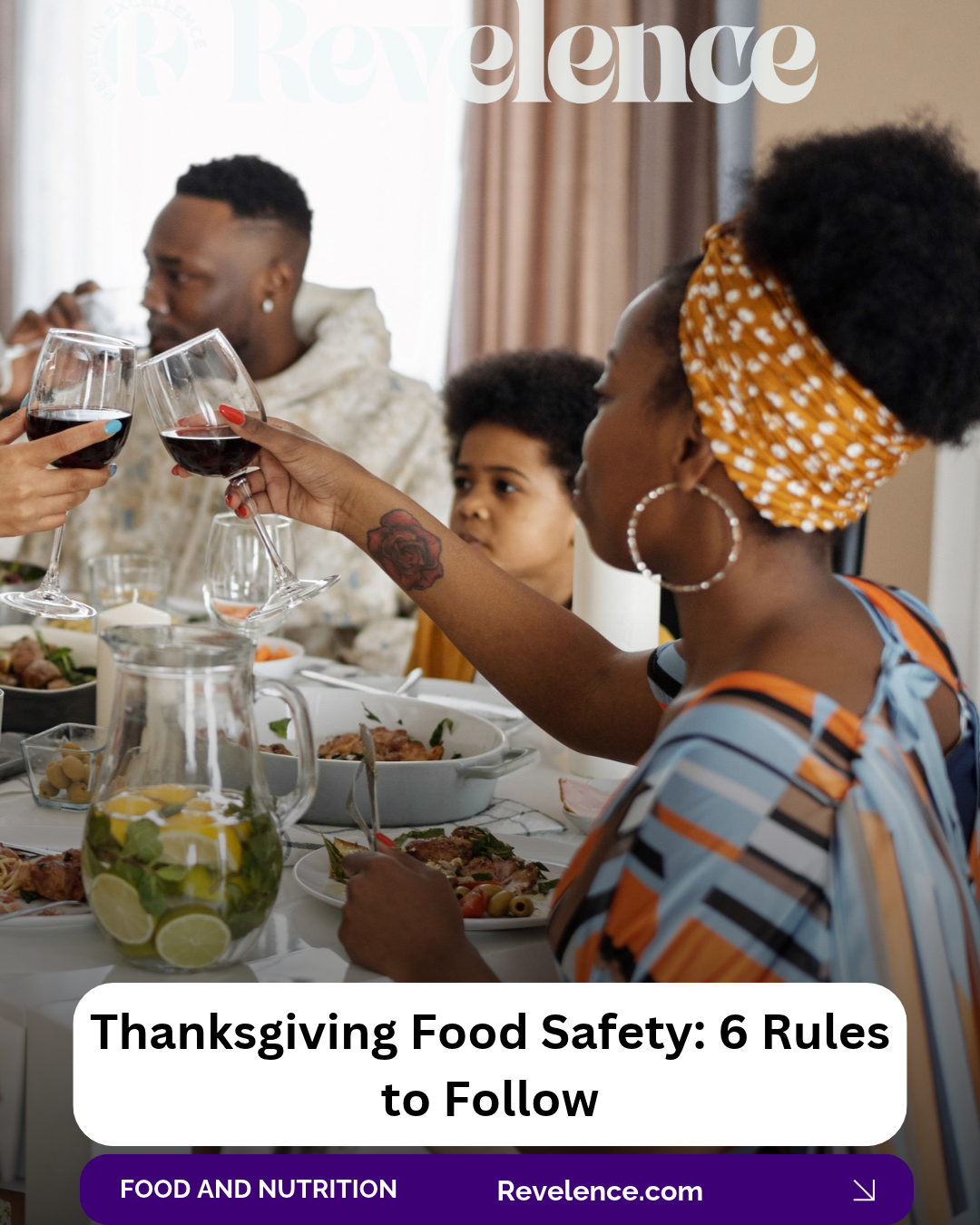
Photo by August de Richelieu on Pexel
Thanksgiving dinner takes planning, especially when several dishes need attention at once. A turkey may be roasting while casseroles bake and guests prepare to serve themselves. However, safe food handling matters just as much as timing and presentation.
The U.S. Department of Agriculture (USDA) has clear recommendations for preparing, cooking, serving and storing holiday meals. A few key temperatures and time limits can help reduce the risk of foodborne illness.
Use this practical checklist to keep Thanksgiving food safe from the refrigerator to the table.
Thaw the turkey safely
Start with a safe thawing plan. Never leave a frozen turkey on the kitchen counter. Room-temperature thawing allows harmful bacteria to grow on the outer parts of the bird while the center remains frozen.
USDA recommends two practical methods:
- Refrigerator: Allow approximately 24 hours for every 4 to 5 pounds of turkey. Keep the bird in a container to prevent raw juices from reaching other foods.
- Cold water: Keep the turkey in its original leakproof packaging. Submerge it in cold water and change the water every 30 minutes. Allow about 30 minutes per pound. Cook it immediately after thawing.
Do not wash raw turkey. Rinsing can spread bacteria through splashes onto sinks, countertops and nearby food. Instead, handle the bird carefully and clean any surfaces that contact raw poultry.
Cook turkey and stuffing to 165°F
Appearance alone cannot confirm that turkey is safe to eat. Brown skin, clear juices and a pop-up timer do not replace a food thermometer.
USDA recommends cooking turkey to an internal temperature of 165°F (74°C). Check three locations:
- The thickest part of the breast.
- The innermost part of the thigh.
- The innermost part of the wing.
Avoid touching bone when taking measurements. If you cook stuffing inside the bird, check its center too. It must also reach 165°F.
For more even cooking and easier temperature checks, USDA recommends cooking stuffing separately.
Prevent cross-contamination
Raw poultry juices can spread harmful bacteria to ready-to-eat foods. Keep raw turkey separate from vegetables, salads, desserts and cooked dishes.
Use separate cutting boards and utensils for raw poultry and other ingredients. Wash your hands with soap and water for at least 20 seconds after handling raw turkey.
Clean countertops, knives, dishes and other surfaces with hot, soapy water after contact with raw poultry. Also, use a clean platter for cooked turkey. Never return cooked meat to a plate that held raw poultry.
Keep hot food hot and cold food cold
Thanksgiving dishes often remain on the table while guests eat and return for seconds. However, food should not sit at unsafe temperatures for extended periods.
USDA identifies the temperature danger zone as 40°F to 140°F (4°C to 60°C). Bacteria can multiply quickly within this range.
Follow these serving rules:
- Keep hot dishes at 140°F or above. Use warming trays, chafing dishes, slow cookers or an oven to maintain temperature.
- Keep cold dishes at 40°F or below. Refrigerate them until serving or place serving bowls over ice.
- Serve smaller portions and replenish them as needed.
- Refrigerate perishable food within two hours.
If the temperature is above 90°F, reduce the room-temperature limit to one hour. Discard perishable food that stays out longer than the recommended time.
Store Thanksgiving leftovers promptly
Leftovers need attention as soon as the meal ends. Do not leave food on the counter while guests finish talking or cleaning up.
Remove turkey meat from the bones and divide large portions into smaller containers. Store stuffing, vegetables, casseroles and gravy in shallow containers. This helps food cool more quickly.
Refrigerate leftovers at 40°F or below within two hours. Use refrigerated leftovers within three to four days. Freeze portions you will not eat within that period.
Reheat leftovers to 165°F
Refrigerated leftovers need thorough reheating before serving. USDA recommends an internal temperature of 165°F.
Use a food thermometer to check the center of the food. When reheating in a microwave, cover the dish, stir or rotate it for even heating, and allow standing time.
Bring soups, sauces and gravies to a boil. Avoid using a slow cooker to reheat leftovers because food may warm too slowly.
Your Thanksgiving food-safety checklist
Before guests arrive, check these essentials:
Thaw turkey in the refrigerator or cold water.
Keep raw poultry away from ready-to-eat foods.
Wash hands and kitchen surfaces after handling raw turkey.
Cook turkey and any stuffing inside it to 165°F.
Keep hot dishes at 140°F or above.
Keep cold dishes at 40°F or below.
Refrigerate perishable food within two hours.
Store leftovers in shallow containers.
Use refrigerated leftovers within three to four days.
Reheat leftovers to 165°F.
Thanksgiving food safety does not require complicated equipment or guesswork. A food thermometer, clean preparation surfaces and a reliable storage plan can make a meaningful difference.
Source: USDA
About the Author