Photo credit: facebook/Benuevibes
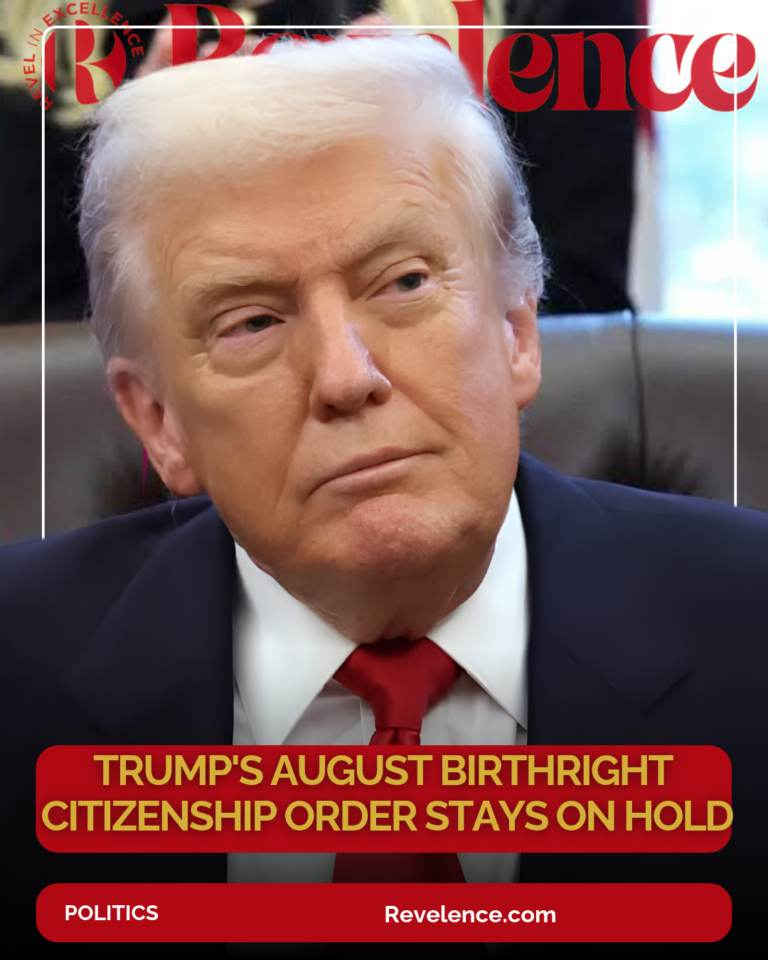
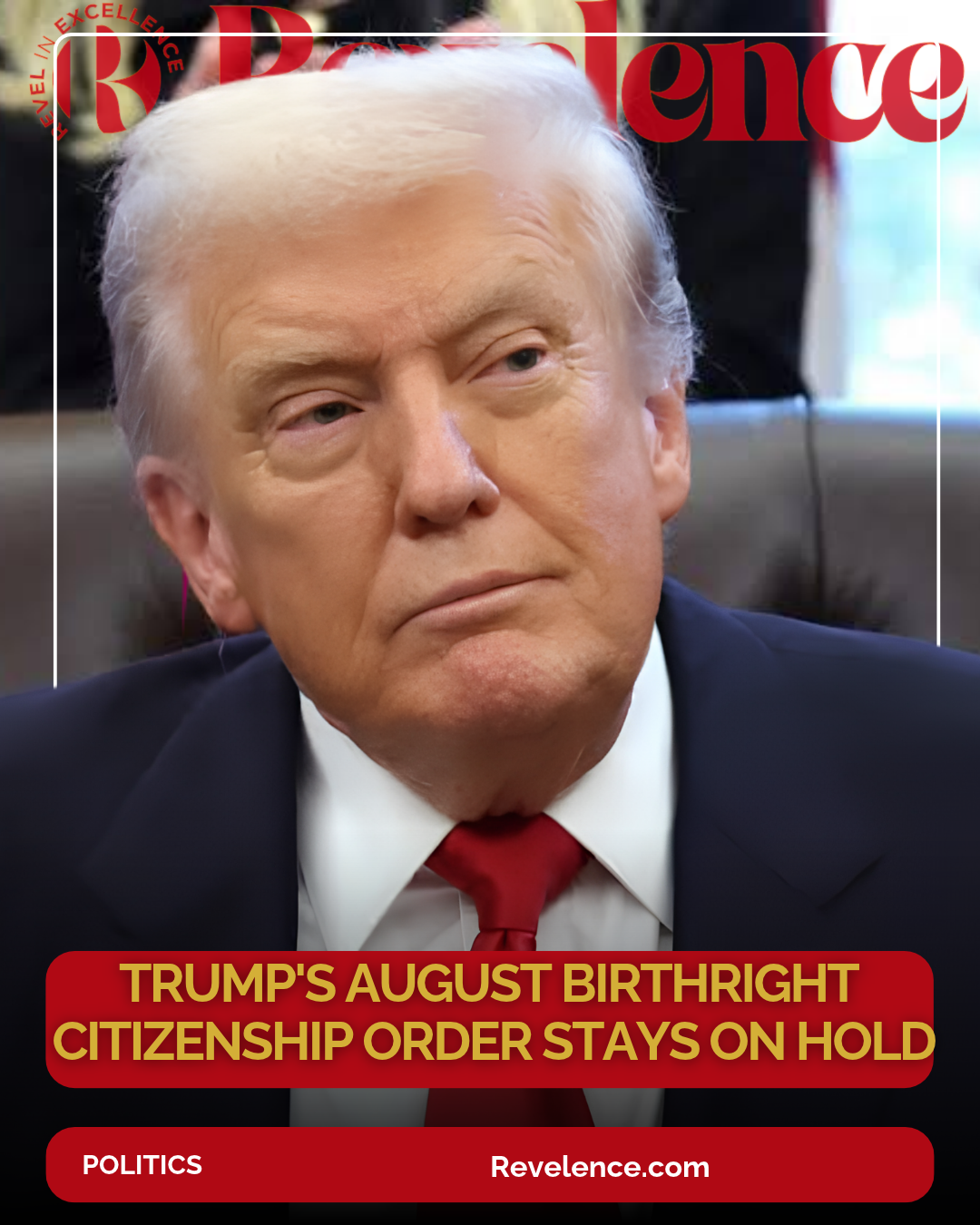
A federal judge in Washington has halted President Donald Trump’s second executive order limiting birthright citizenship, but only for a certified class of children. U.S. District Judge Christopher Cooper issued a preliminary injunction on Wednesday, Nov. 25.
It bars the State Department, the Department of Homeland Security and the Social Security Administration from applying the August order to class members.
This is the second court to pause the order. A Maryland judge did so in September. As a result, the administration would need to overturn both rulings before it could enforce the policy.
What Judge Cooper said about citizenship
Cooper ruled that the president cannot create new exceptions to citizenship for children born in the United States and subject to its laws. The American Civil Liberties Union and partner groups brought the case, called Nathan v. Trump. In an opinion of 67 pages, Cooper wrote that the Citizenship Clause guarantees citizenship to nearly every child born in the country.
The ruling does not end the case. A preliminary injunction is not a final decision on the merits. It keeps the order on hold while the lawsuit moves forward.
What the August order does
Trump signed Executive Order 14418 on Aug. 6, after the Supreme Court struck down his first attempt earlier this year. That first order, signed on his first day back in office in 2025, targeted children whose parents were neither U.S. citizens nor green card holders.
The newer order aims at narrower groups. They include children of parents who work for foreign governments or international organizations without diplomatic immunity, children born through commercial surrogacy and children with a parent the government suspects of ties to gangs or terrorism. The administration has also described the effort as a response to birth tourism, which means parents travel to the U.S. so their child is born a citizen.
Who the citizenship ruling protects
The injunction covers members of the certified class and not every child the order could reach. Whether a family has protection depends on whether it fits the class definition. A separate shield exists in Maryland, where District Judge Deborah Boardman issued the first injunction against the same order. Two courts and two class definitions now stand between the order and enforcement.
How the White House and the ACLU responded
The White House pushed back. Spokeswoman Lauren Bis criticized Cooper, noting his appointment by former President Barack Obama, and said the order is consistent with Supreme Court rulings. The Justice Department had not commented as of Wednesday.
ACLU lawyer Cody Wofsy, who represented the plaintiffs, said the Supreme Court has now rejected efforts to limit birthright citizenship twice, in 1898 and again this year. He urged the president to treat the rule as settled.
Why the Citizenship Clause matters to Black Americans
The clause began as a promise to Black Americans. The 14th Amendment was ratified in 1868 after the Civil War. It overturned the 1857 Dred Scott decision, which declared that Black people could not be citizens. In 1898, United States v. Wong Kim Ark extended that reading to a child born to Chinese immigrant parents. Cooper relied on that line of cases.
What happens next
Appeals are possible if the administration chooses to pursue them. A challenge to Cooper’s ruling would go to the U.S. Court of Appeals for the D.C. Circuit. The Maryland injunction would go to the 4th Circuit.
Supporters of the order argue that a president should be able to close what they see as loopholes such as birth tourism. Opponents argue that the Supreme Court has already settled the question. For now, families in the class keep their protection while the courts sort it out.
About the Author