Courtesy:Fox News
Tensions in the Middle East are climbing rapidly following a new wave of missile strikes launched from Iran toward Israel, marking a significant escalation in an already volatile situation. The barrage targeted central areas, including Tel Aviv, prompting swift defensive responses as interception systems worked to neutralize incoming threats.
Air raid sirens echoed across multiple regions as residents sought shelter while defense systems activated overhead. Despite interception efforts, the attacks contributed to heightened fear and uncertainty among civilians as the situation continues to unfold.
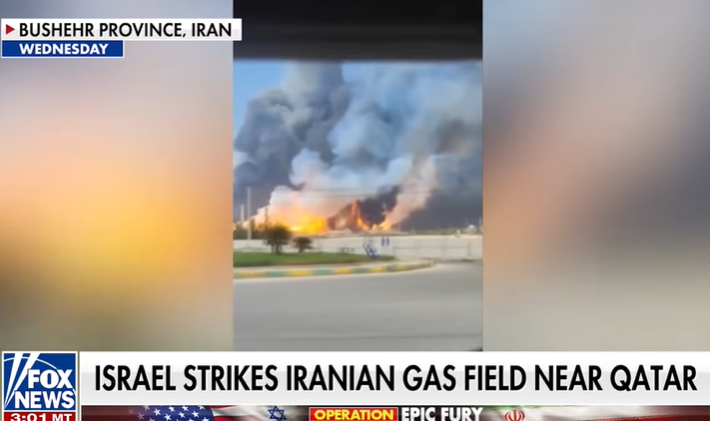
The latest exchange follows recent Israeli airstrikes on facilities tied to Iran’s energy infrastructure. Those strikes reportedly caused significant disruption, including fires and structural damage at a major natural gas site connected to broader regional energy networks. While some fires have since been contained, the impact on critical infrastructure has added another layer of concern to the conflict.
Growing casualties and civilian impact
As the violence intensifies, reports confirm casualties on both sides. Several lives have been lost in the latest round of attacks, including individuals in the West Bank and within Israel. Civilian areas have not been spared, raising fears about the broader humanitarian consequences if the conflict continues to escalate.
Debris from intercepted missiles has also caused damage in populated areas. In Jerusalem, remnants reportedly landed near a religious site, prompting authorities to temporarily close key locations as a precaution. The closure of such spaces highlights the far-reaching effects of the conflict beyond immediate military targets.
Concerns are also growing over the type of weaponry being used. The deployment of cluster-style munitions has raised alarms among observers due to their wide dispersal patterns and potential risks to civilians.
Political tensions and leadership pressure
The situation has sparked intense political discussion, particularly in the United States, where leaders are closely monitoring developments. Former President Donald Trump addressed the conflict publicly, indicating that recent actions were driven by heightened tensions and suggesting that further strikes on certain facilities may not continue.
Meanwhile, intelligence officials and lawmakers are grappling with questions about the broader implications of the conflict. Discussions on Capitol Hill have focused on the extent of the threat posed by Iran and whether current actions could lead to further escalation.
Some officials argue that Iran’s military capabilities have been weakened due to recent strikes targeting leadership and infrastructure. However, others caution that the country still retains the ability to carry out significant attacks, particularly through missile systems and regional alliances.
Uncertainty within Iran’s leadership
Behind the scenes, reports suggest internal strain within Iran’s leadership structure. Key figures linked to military and intelligence operations have reportedly been killed in recent strikes, potentially disrupting command and control.
Despite these losses, analysts believe the government retains enough structure to continue its operations. At the same time, there are indications of growing internal pressure, with economic challenges and political dissatisfaction potentially contributing to instability within the country.
Observers note that such conditions could influence future developments, including the possibility of unrest among civilians. However, the immediate focus remains on the ongoing military exchanges and their regional impact.
Concerns over wider global risks
As the conflict deepens, attention is also turning to potential global consequences. U.S. lawmakers are examining whether the situation could increase the risk of attacks beyond the Middle East, including concerns about isolated or coordinated threats.
Debates continue over how significant the risk is, with differing views among officials. While some maintain that the immediate threat level remains limited, others argue that the long-standing tensions involving Iran warrant continued vigilance.
At the same time, military operations and intelligence efforts are under scrutiny, as leaders seek clarity on strategy and long-term objectives. The evolving situation has placed renewed focus on national security priorities and international stability.
What comes next
With both sides demonstrating the capacity and willingness to respond, the path forward remains uncertain. The ongoing exchange of strikes, combined with political and military pressures, suggests that the conflict could continue to evolve in unpredictable ways.
Global leaders and observers are watching closely as new developments emerge, with hopes that further escalation can be avoided. For now, the region remains on edge as the situation continues to unfold.
Source: Fox News broadcast
About the Author