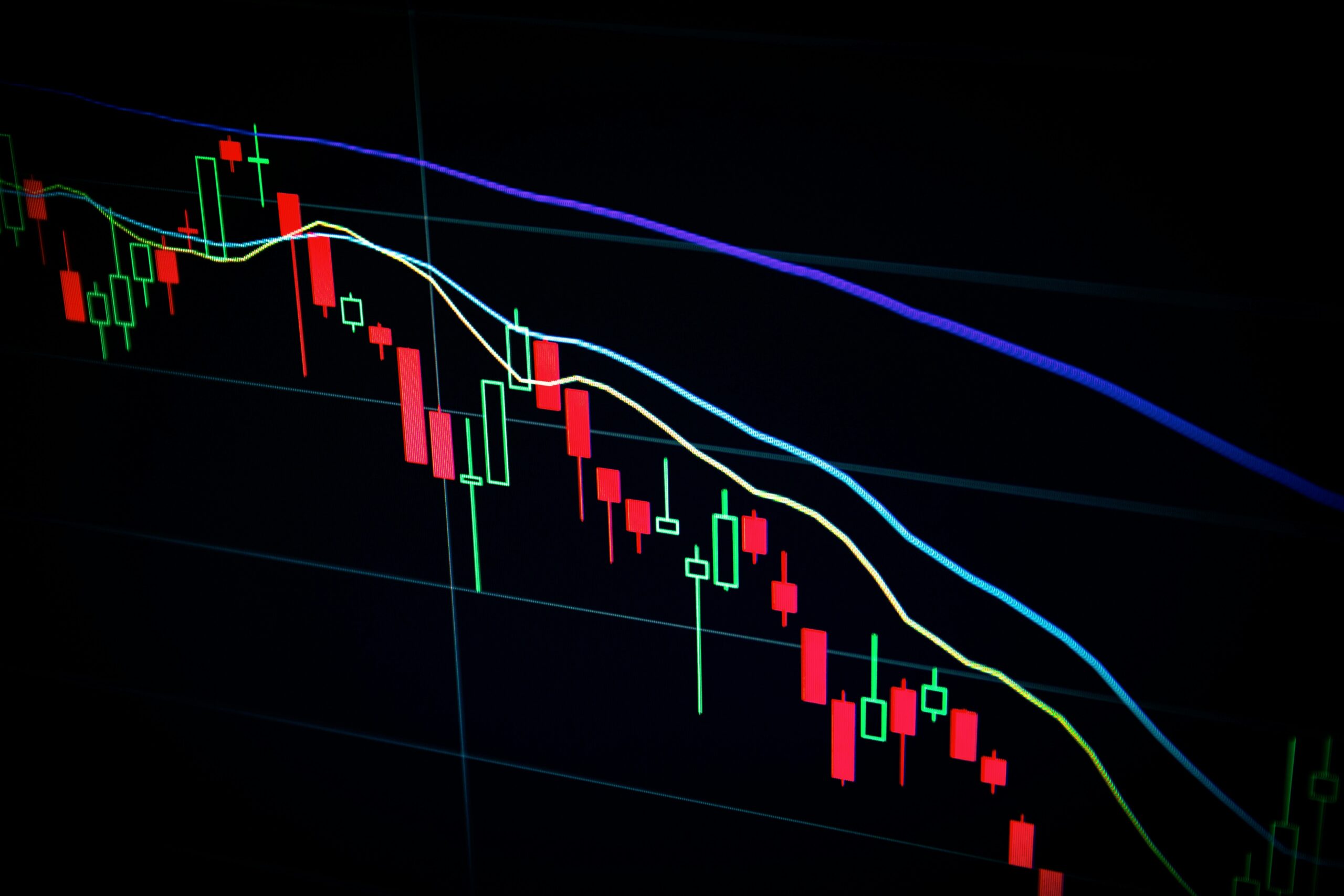
Courtesy:maxim-hopman from unsplash
Tension in the Middle East has returned to the center of financial conversations as investors around the world brace for what could be a turbulent stretch in both oil and equities. The weekend brought a rapid escalation of conflict involving Iran and military forces from the United States and Israel, creating widespread uncertainty across trade routes and commodity pricing. With several nations monitoring the situation closely, market watchers expect the coming days to reveal how deeply the disruption may influence worldwide financial stability.
Oil traders prepare for a sharp upswing
The Strait of Hormuz, one of the most critical oil-shipping corridors, is once again under scrutiny as reports of restricted movement through the waterway continue to surface. The narrow passage supports a significant share of global crude exports, which means any interruption can spark immediate pricing reactions.
Oil markets were already showing signs of tightening earlier this year, and many analysts noted an upward trend forming long before the latest conflict unfolded. Now, investors anticipate even stronger momentum. Some are predicting that crude benchmarks may experience meaningful spikes as soon as futures trading resumes, given ongoing concerns about supply risks and potential retaliatory actions in the region.
Benchmark prices signal possible turbulence
Two of the world’s most closely watched oil indicators were already climbing. Brent crude, widely recognized as the international reference point, recently hovered in the low-$70 range after gaining steadily in early 2026. Meanwhile, West Texas Intermediate continued to show strength, reflecting persistent demand in the United States despite economic pressure in several key sectors.
The energy market has historically responded quickly to geopolitical disruptions, and traders see these early-year gains as a potential preview of more significant adjustments ahead. For many investors, the question is no longer whether prices will rise but how rapidly the increases may unfold.
Stocks face renewed pressure amid uncertainty
While the oil market points upward, equities have been struggling to find footing. Last week ended with major U.S. indexes drifting lower as traders weighed economic data and interest-rate expectations. News of the military escalation added a fresh layer of uncertainty, prompting concerns that volatility may deepen.
The Dow Jones Industrial Average posted a notable decline, reflecting a broad pullback across multiple sectors. The S&P 500 and Nasdaq Composite also retreated, underlining investor caution heading into the new month. Market strategists say geopolitical tension often leads to defensive positioning, particularly when the situation involves major global powers.
Analysts warn of short-term and long-term ripple effects
Financial experts have begun mapping out potential scenarios to help investors navigate what could be a significant period of unpredictability. Short-term swings in oil futures may test supply chains, energy companies and consumer-driven industries. Longer-term concerns include inflationary pressure and the possibility of economic cooling if disruptions last.
Some analysts believe the market response may become more measured once more information emerges about shipping conditions and diplomatic efforts. Others argue that uncertainty alone is enough to maintain elevated pricing, even if the conflict stabilizes.
Global leaders watch closely as tensions evolve
Governments across Asia, Europe and the Americas remain alert as they assess potential consequences for their own energy needs. The Strait of Hormuz plays an essential role in international trade routes, meaning any threat to its accessibility can influence policy decisions far beyond the Middle East. As nations evaluate the immediate risks, many are preparing for possible fluctuations in import costs and supply schedules.
For investors, the coming days may bring a mix of caution and rapid movement as markets digest new reports and adjust expectations accordingly. With energy costs rising and geopolitical uncertainty lingering, financial experts say the international economy is entering a delicate moment that could reshape market behavior through the spring.
Source: Barron’s
About the Author