Wendy Williams documentary lawsuit reaches settlement
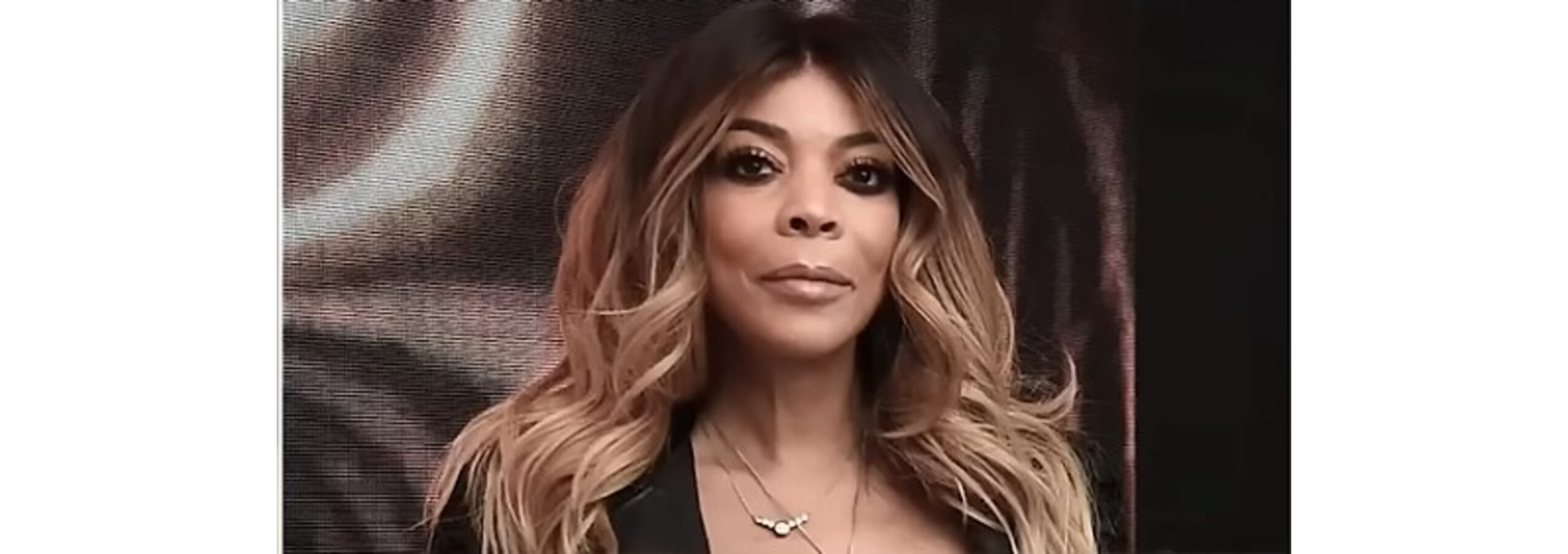
Photo credit:The Breakfast club
The Wendy Williams documentary lawsuit has reportedly reached a settlement, ending a lengthy legal battle over the Lifetime documentary Where Is Wendy Williams?. The case raised questions about consent, guardianship, and Wendy’s financial future.
According to The Breakfast Club, Wendy Williams’ court-appointed guardian, Sabrina Morrissey, sued Lifetime and A&E. She claimed Wendy lacked the mental capacity to sign a valid contract during production. Although both sides have settled the lawsuit, they have not revealed the financial terms.
Meanwhile, Wendy continues fighting to end her court-ordered guardianship.
Why Wendy Williams’ guardian filed the lawsuit
Sabrina Morrissey argued that Wendy Williams could not legally consent to filming because her health had declined during production.
The complaint stated that the documentary followed nearly two years of Wendy’s life, including the period before and after she entered guardianship. Morrissey argued that Wendy’s condition prevented her from signing a legally binding agreement.
Before the documentary premiered, the guardian tried to stop its release. However, the court allowed Lifetime to air the project.
The lawsuit also claimed the networks profited from Wendy’s personal struggles while she could not fully understand or approve the agreement.
Guardian sought documentary profits for Wendy’s care
Another major issue involved the money generated by the documentary.
According to The Breakfast Club, Morrissey claimed Wendy received about $82,000 for participating in the project. She argued that Lifetime and A&E earned far more from the documentary.
The lawsuit asked the court to award the documentary proceeds to Wendy so she could pay for:
- Long-term medical care
- Ongoing supervision
- Living expenses
- Costs related to her guardianship
Morrissey argued that those funds would help support Wendy’s future care.
Wendy Williams shared a different opinion
While her guardian pursued the lawsuit, Wendy Williams expressed a different opinion during a previous interview featured on The Breakfast Club.
Wendy said she appreciated Lifetime and would consider working with the network again after leaving guardianship.
She also questioned whether a large court victory would truly benefit her. Wendy explained that attorney fees and other legal expenses could reduce any financial award.
She mentioned discussions about a possible $20 million recovery. However, she believed legal costs and other payments would significantly reduce the amount she would actually receive.
Settlement terms remain private
According to the report, both sides have settled the lawsuit.
However, neither Wendy’s representatives nor the networks have released the settlement amount or any additional terms.
The hosts noted that attorney fees and litigation expenses will likely come from the settlement proceeds. As a result, no one knows how much money Wendy may ultimately receive.
Wendy’s guardianship fight continues
Although the documentary lawsuit has ended, Wendy Williams continues her legal battle to regain control of her personal affairs.
The Breakfast Club hosts said Wendy still faces significant legal and medical expenses while living in a care facility.
They also questioned her long-term financial outlook. Wendy has reportedly sold both her New York apartment and her New Jersey home. Those sales have sparked concerns about how she will cover future medical care and ongoing legal costs.
Settlement ends one dispute, but bigger questions remain
The settlement closes one chapter in Wendy Williams’ ongoing legal journey. However, it does not resolve her broader fight to end her court-ordered guardianship.
The documentary also continues to spark debate about consent, documentary ethics, and the treatment of vulnerable public figures. Meanwhile, Wendy’s supporters remain focused on her efforts to regain her independence.
Source: Information extracted from The Breakfast Club discussion, “Wendy Williams’ Guardian Settles Legal Battle Over Controversial Doc,” and the provided YouTube transcript.
About the Author

Praise Swint
Wpseo_editor
Praise Swint is a contributor at Revelence, covering stories across news, entertainment, and culture.