Photo by Calum Lewis on Unsplash
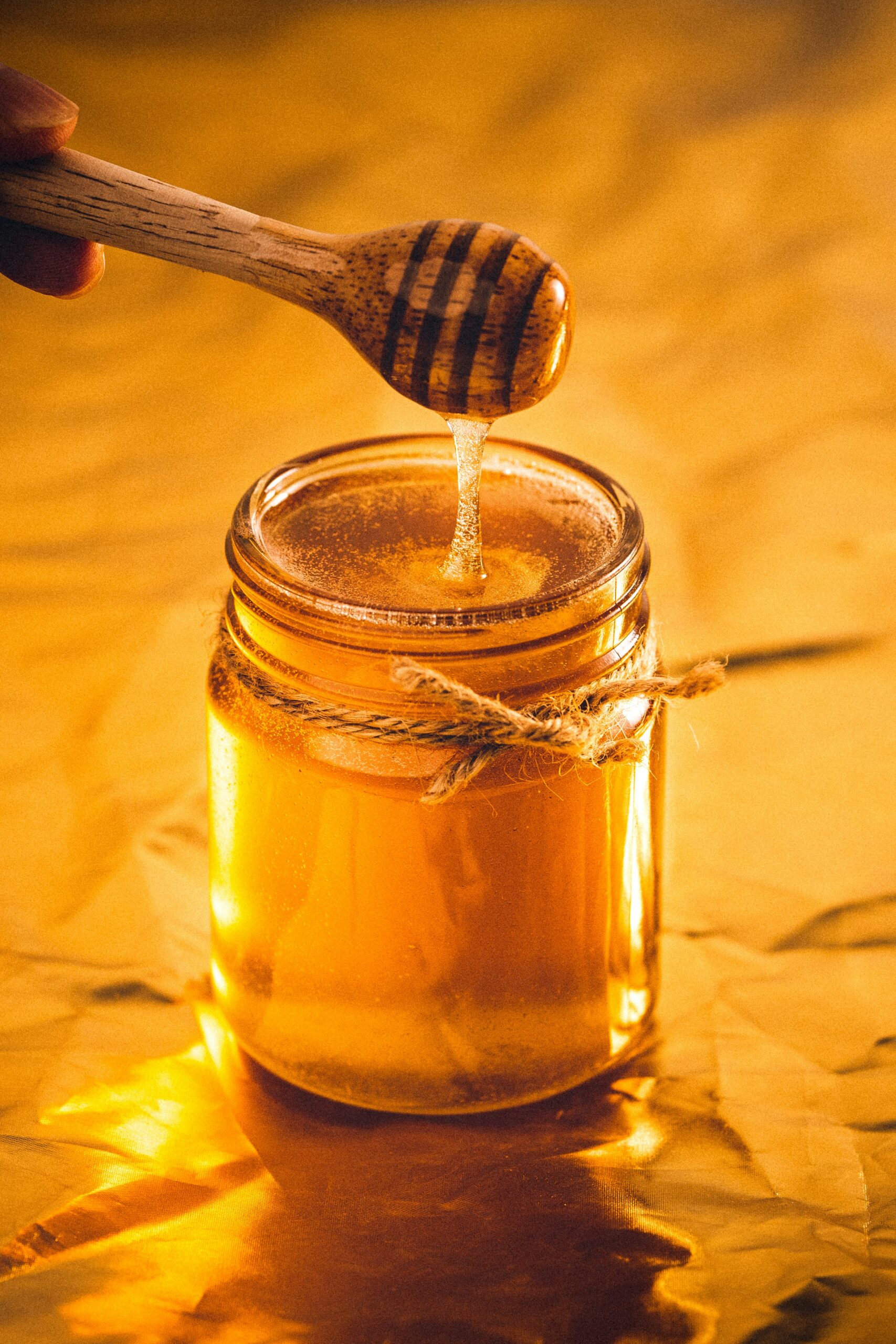
Kitchen ingredients can improve your beauty routine in ways backed by tradition and research. Honey is the best place to start. Raw honey is a natural humectant. It draws moisture from the air and holds it against the skin. It also contains enzymes, antioxidants, and natural antimicrobial compounds. These qualities make it one of the most useful ingredients in any kitchen for skin health.
Applying a thin layer of raw honey to clean skin creates a simple mask. Leave it on for fifteen to twenty minutes before rinsing. This mask can reduce redness and improve hydration. It also gently exfoliates through the action of its natural enzymes. Honey delivers multiple skincare functions in one ingredient. It costs far less than specialty products offering similar benefits.
Why the type of honey matters
The type of honey matters for beauty use. Raw and unprocessed honey retains active compounds that processed honey loses. Manuka honey from New Zealand has the highest documented antibacterial activity. It works especially well for acne-prone skin as a spot treatment. Mixing honey with a small amount of ground cinnamon creates a warming mask. This combination improves circulation and can reduce breakouts. Use it no more than twice per week. Honey remains one of the most versatile single-ingredient beauty tools in any kitchen.
Coconut oil for hair and oats for sensitive skin
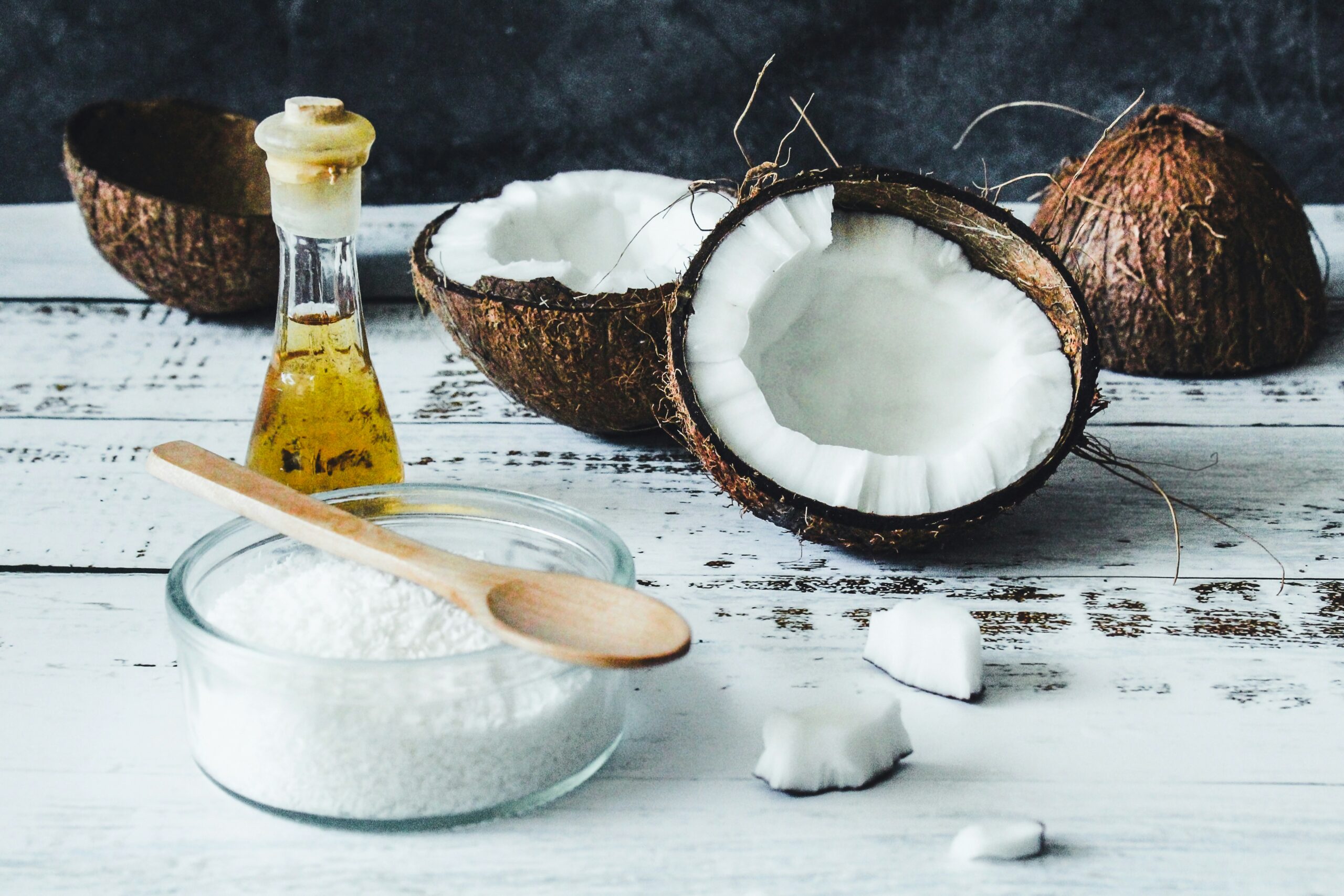
Coconut oil is one of the most researched natural conditioning agents for hair. Studies show it reduces protein loss from the hair shaft, both before and after washing. Apply it to dry hair before shampooing. Leave it in for thirty minutes to several hours, then wash it out. This pre-wash treatment improves hair moisture retention over time. The lauric acid in coconut oil has a small molecular weight. It penetrates the hair cortex instead of just coating the surface. Coconut oil delivers a real mechanistic benefit to hair health, not just a temporary smoothing effect.
For skin, coconut oil requires more careful use. It is comedogenic, meaning it can clog pores and trigger breakouts in acne-prone people. It works best as a body moisturizer or makeup remover on areas you plan to cleanse thoroughly afterward. People with dry, non-acne-prone skin can use it as a simple nighttime face moisturizer. Its effectiveness depends on matching it to the right skin type.
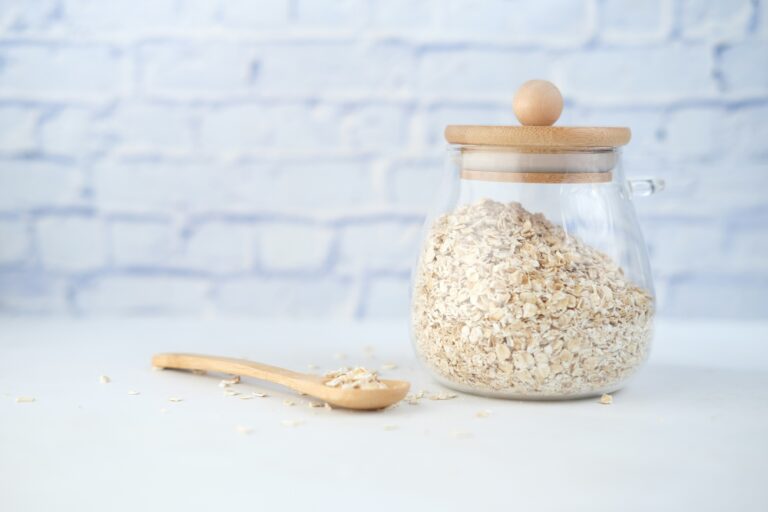
Colloidal oatmeal is finely ground oats. The FDA specifically recognizes it as a skin protectant. Ground oats contain beta-glucan, a polysaccharide that forms a protective film on skin. This film reduces water loss through the skin’s surface. Oats also contain avenanthramides. These compounds have documented anti-inflammatory and anti-itch properties. They work well for eczema, contact dermatitis, and sensitive skin. Making an oat mask requires nothing more than blending dry oats into a fine powder. Mix it with water or honey. Oats are among the most scientifically validated kitchen beauty ingredients available. They are also among the safest for nearly all skin types.
Apple cider vinegar and turmeric for skin concerns
Apple cider vinegar contains acetic acid. At the right concentration, it makes an effective toner when diluted in water. A typical ratio is one part ACV to three or four parts water. The acid helps restore skin’s natural pH after cleansing with alkaline products. It also has mild exfoliating properties through its alpha hydroxy acid content. With consistent use, it can reduce the appearance of hyperpigmentation. Undiluted ACV is too acidic for skin and can cause chemical burns. The dilution step is essential. ACV belongs in a beauty routine only when you respect the ratio and watch for irritation.
Turmeric has featured in traditional South Asian beauty practices for centuries. Its active compound, curcumin, has documented anti-inflammatory and antioxidant properties. Mixing turmeric powder with honey or yogurt creates a face mask that can visibly brighten skin tone. However, turmeric stains intensely. It can temporarily yellow light skin, so thorough rinsing after five to ten minutes matters. A patch test before applying turmeric to the face is important. Some people react with contact dermatitis. Careful use of turmeric rewards you with real, visible results.

Green tea, avocado, and sugar for targeted results
Green tea applied with a cotton pad works as a toner. It delivers catechins and polyphenols directly to the skin. These compounds reduce redness, calm inflammation, and offer mild antioxidant protection. Placing cooled green tea bags over the eyes for ten minutes reduces puffiness and dark circles. This happens through caffeine-driven vasoconstriction and anti-inflammatory compounds. Mixing green tea with a small amount of honey combines the benefits of both ingredients. Green tea suits people dealing with redness or environmental skin stress.
Avocado is one of the richest natural sources of monounsaturated fatty acids, vitamin E, and biotin. Mash half a ripe avocado and mix it with olive oil. This creates a deep conditioning mask for hair. Leave it on for twenty to thirty minutes for significant moisture restoration. The vitamin E in avocado supports scalp health. It also reduces oxidative damage that contributes to hair breakage and dullness. Avocado hair masks show visible improvement immediately after rinsing. Results continue to develop with regular monthly use.
Granulated sugar is one of the safest and most effective physical exfoliants in any kitchen. Mixing white or brown sugar with olive oil creates a lip scrub. It removes dead skin cells and leaves lips noticeably softer after one use. Brown sugar has a smaller, rounder crystal than white sugar. This makes it gentler and better suited for facial use. Mixing brown sugar with honey and a drop of vitamin E oil creates a full face scrub. It exfoliates and moisturizes in one step. Sugar is a genuinely effective exfoliant most people already own.

How to use these ingredients safely
Match the ingredient to your specific skin type and concern. What works for dry skin can trigger breakouts in oily skin. Patch test any new kitchen ingredient on your inner arm for 24 hours before applying it to your face. This step matters no matter how natural the ingredient seems. Concentration and application method matter as much as the ingredient itself. Treat kitchen beauty ingredients with the same thoughtfulness you’d apply to commercial skincare products.
Consistency matters as much as the ingredient you choose. A single application of honey or turmeric won’t match the results of twice-weekly use over a month. Keep kitchen ingredients refrigerated when appropriate. Use clean applicators to prevent contamination. Discard prepared mixtures after a single use to reduce bacterial growth. The most visible improvements come from a few well-chosen ingredients used consistently, not many tried sporadically. Good hygiene habits protect the benefits these ingredients offer.
For more on natural ingredient safety, visit the American Academy of Dermatology’s skincare resource page. The Environmental Working Group’s Skin Deep database also provides safety ratings for natural compounds used in DIY and commercial beauty formulations.
Source: Original reporting / Revelence.com editorial team
About the Author