Photo credit: George Milton from Pexels
Comfortable makeup for work starts long before the first swipe of foundation. A long day brings air conditioning, screen time, commutes, and back-to-back meetings. As a result, a routine that looks great at 8 a.m. can feel heavy by the afternoon.
This guide focuses on practical technique and smart product selection. It does not promise a set number of hours of wear. Instead, it explains what each step does and why it may help makeup feel lighter on your skin.
Start with skin prep that fits your skin type
Prep sets the tone for everything that follows. First, cleanse gently and apply a moisturizer suited to your skin type. Dry skin often prefers a richer cream, while oily skin may do better with a lightweight gel.
Next, let each layer settle before moving on. Rushing can cause products to pill or slide. A minute or two between steps is usually enough.
Sunscreen also deserves a place in the routine. The American Academy of Dermatology recommends broad-spectrum sunscreen with an SPF of 30 or higher for daily use. Many people apply it as the last skin care step before makeup.
A primer is optional. Some people find that it smooths texture, but others feel it adds a layer they do not need. Test it on an ordinary day before relying on it for a big presentation.
Choose lightweight base products for comfortable makeup for work
Base makeup is where heaviness usually starts. Therefore, think about the coverage you truly need rather than the coverage you have always used. A skin tint or light foundation can look natural and feel less noticeable.
Texture matters as much as coverage. Water-based and serum-style formulas often feel lighter than thick, full-coverage creams. However, personal preference varies, so sample before you commit.
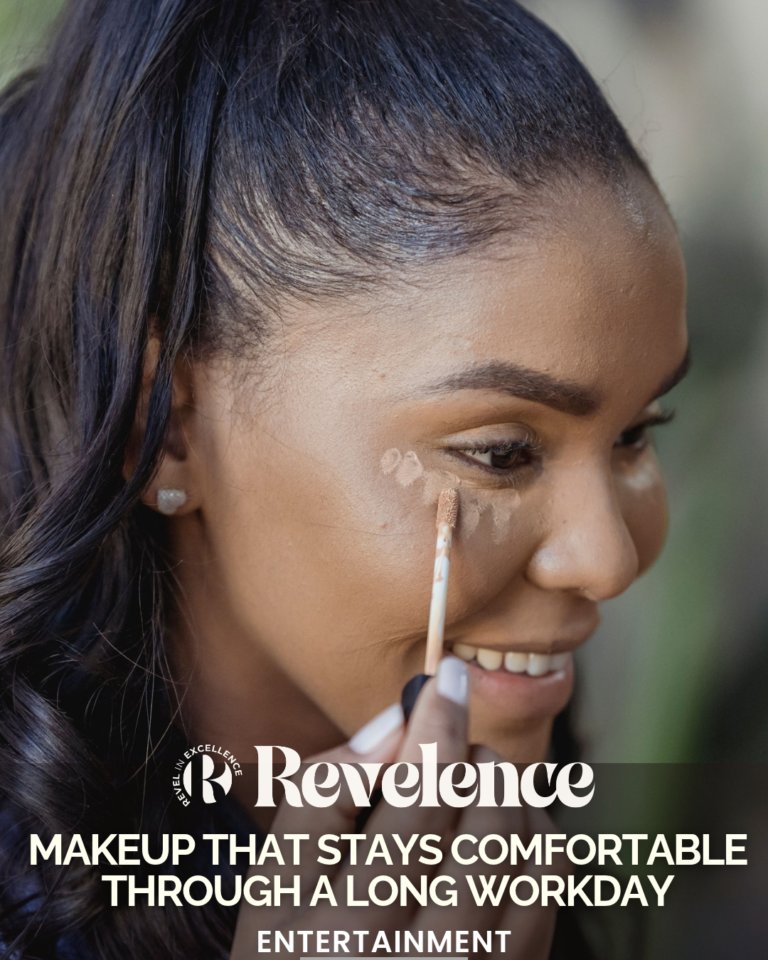
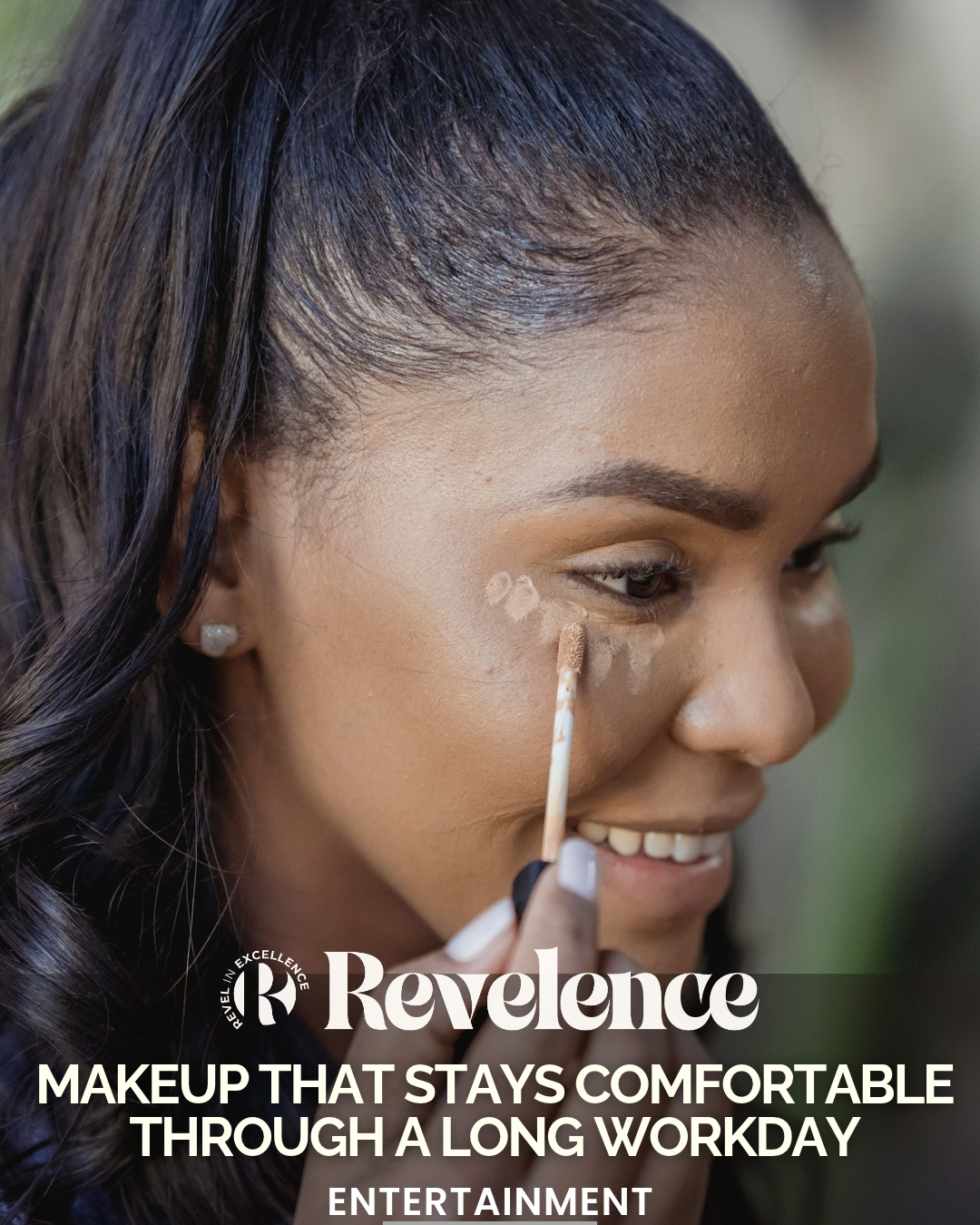
Spot concealing helps too. Instead of covering the whole face, apply concealer only where you want extra coverage. This approach uses less product overall and often feels more breathable.
Shade matching also affects comfort. When a shade is off, people tend to add more product to correct it. For that reason, test a shade along the jawline in natural light before you buy.
Layer thin and build only where needed
Technique can change how a formula feels. Start with a small amount and press it into the skin with a sponge or your fingers. Pressing, rather than rubbing, tends to leave a thinner layer.
Next, build coverage in sheer passes. Thin layers are easier to blend and less likely to crease. In addition, they leave room for touch-ups later.
Focus on the center of the face first. Then blend outward with whatever remains on your tool. Because the edges receive less product, the finish often looks more natural.
Pick cream and powder products with intention
Cream blush, bronzer, and highlighter blend easily into a skin-like base. Powder over a creamy base can look patchy, however, so keep formulas consistent where possible. If you prefer powder, apply it lightly with a fluffy brush.
Setting powder is another place to go light. Applying it only to areas that tend to shine, such as the forehead and sides of the nose, can reduce buildup. Meanwhile, drier areas around the eyes often feel better with little or none.
Setting sprays are popular as well. Their effects vary by formula, so treat them as one option rather than a guarantee. If your skin is sensitive, check the ingredient list before you buy.
Keep eye, lip, and brow makeup low-maintenance
Eyes often feel the strain of screens and dry office air. Therefore, choose formulas that you already know your eyes tolerate. If you wear contact lenses or have sensitive eyes, ask your eye care professional which products suit you.
Mascara and eyeliner can smudge or transfer in some conditions. Waterproof formulas may resist moisture, but they can be harder to remove. Gentle removal at night matters, so pair them with a cleanser made for the job.
For lips, a tinted balm or cream color is easy to reapply without a mirror. In contrast, very matte formulas can feel dry on some people. For brows, a light gel or pencil keeps the look neat with little upkeep.
Adjust your routine to your workday
Not every workday looks the same. For example, a desk-based day in air conditioning may call for extra moisture. A day of travel or outdoor errands, however, may call for a simpler face and careful sunscreen use.
Meetings on camera bring their own needs. Lighting can change how products look, so check your makeup near a window before you leave. In addition, some people prefer less shine on video, while others like a soft glow.
Consider your commute as well. Heat, humidity, and scarves can cause transfer. As a result, a lighter base and a smaller powder zone often make sense.
Build a small touch-up kit
A short kit saves time and helps makeup feel fresh without a full redo. First, blot oily areas with a clean tissue or blotting paper. Then press a small amount of powder only where needed.
Next, tap away any creasing with a clean sponge or fingertip. Add a touch of lip color or balm. Finally, wash your hands before touching your face, since clean hands reduce the transfer of dirt and oils.
Hygiene matters with the products themselves too. The U.S. Food and Drug Administration offers cosmetic safety guidance, including advice on not sharing products. Keeping tools clean is a simple way to lower the risk of irritation.
Remove makeup well at the end of the day
A comfortable routine includes a good finish. Remove makeup before bed with a cleanser your skin tolerates. Then moisturize so your skin starts the next morning in balance.
If irritation, redness, or discomfort persists, stop using the suspected product. After that, consider speaking with a dermatologist. Patch testing a new product on a small area can also help you spot a reaction early.
Brushes and sponges need care as well. Dirty tools can hold oil and product. Therefore, a regular wash is a sensible habit for most people.
Final thoughts on comfortable makeup for work
Makeup that feels good through a long workday comes from small, consistent choices. Prep the skin, choose lighter textures, apply thin layers, and keep touch-ups simple. Above all, test new products on an ordinary workday before an important event, because every face responds differently.
About the Author