Rice water for hair growth has circulated as a beauty remedy for centuries, long before it went viral on social media. Women in China’s Huangluo village, nicknamed the “World’s Longest Haired Village,” have used it for generations. Meanwhile, legend credits rice water for the floor-length hair worn by women in Japan’s imperial court.
However, tradition and trending videos don’t always mean science backs the claim. Here’s what’s actually known about rice water and hair growth.
What rice water actually contains
Rice water is the starchy liquid left over after soaking or boiling rice. It contains amino acids, vitamins, and antioxidants that may support hair strength. Additionally, fermenting the rice water increases its nutrient density and introduces beneficial microbes, according to research published in the International Journal of Science and Research.
Some studies suggest rice water can reduce surface friction on hair strands. As a result, hair may feel smoother, look shinier, and become easier to detangle.
What the research actually shows
Despite the popularity, dermatologists remain cautious about the growth claims specifically. A 2022 systematic review of 10 studies found that products containing rice bran show promise for hair growth. However, most existing research focuses on rice bran extract rather than homemade rice water rinses.
According to Nebraska Medicine dermatologist Dr. Matthew Stephany, countless products claim results without solid clinical trials to back them up. Consequently, while rice water carries very few risks, it also isn’t likely to deliver dramatic growth on its own.
Dermatologists also note that most hair growth is genetically determined. Nutrition, age, and overall health play a role, but haircare practices themselves typically have a limited impact compared to genetics.
How to make rice water at home
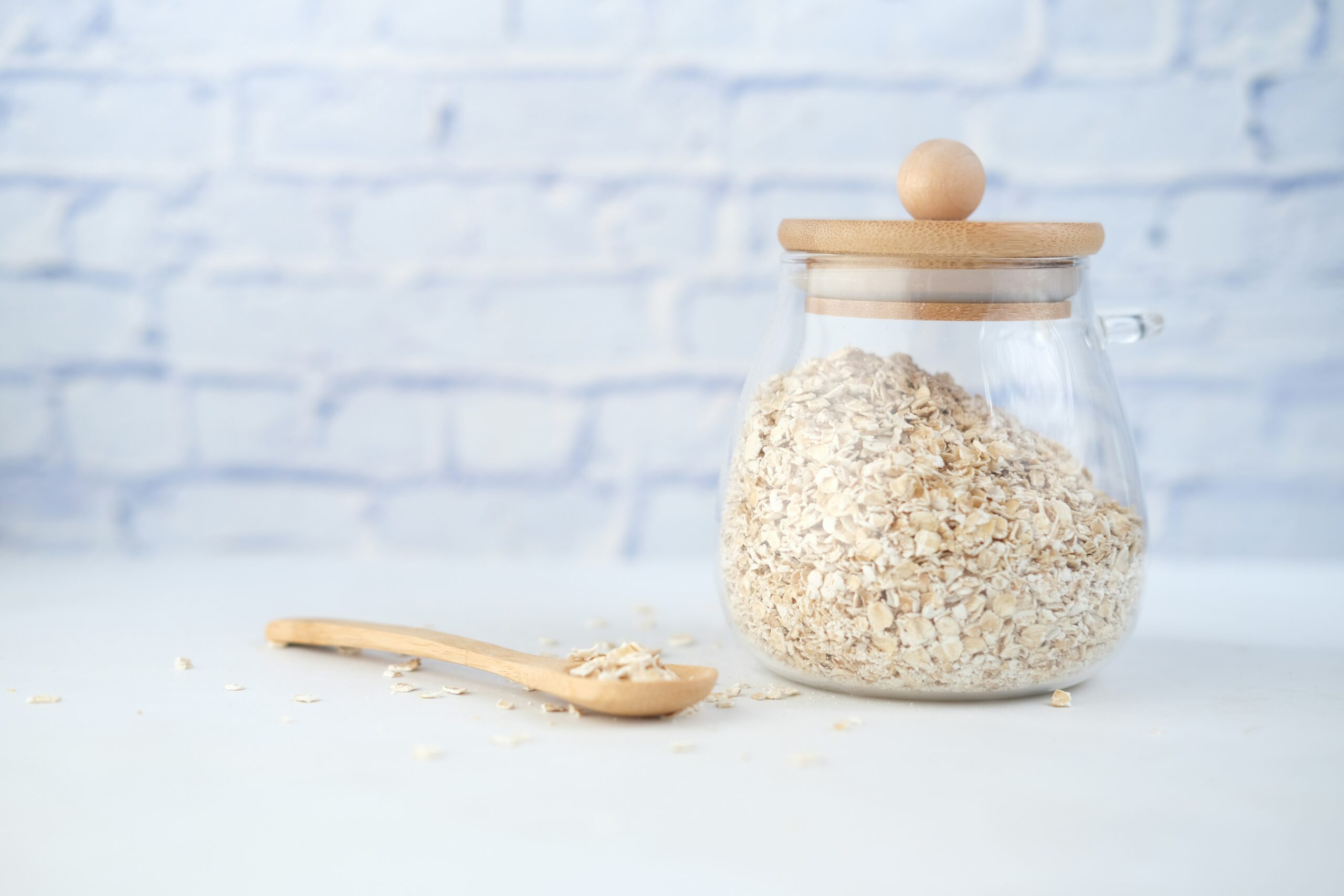
Making rice water requires no special equipment or ingredients. Rinse half a cup of uncooked rice thoroughly to remove impurities. Then, add the rice to two cups of water and let it soak.
Three main methods exist for preparing rice water. A short soak lasting 30 minutes to two hours preserves the most nutrients. Boiling the rice mixture works faster but may diminish some vitamins in the process. Fermenting the water for one to three days boosts antioxidant levels further, though it also introduces a higher risk of bacterial growth.
Dermatologists generally recommend the short soak method, since it balances nutrient retention with lower contamination risk.
How to use rice water on hair
Applying rice water is straightforward. Shampoo and rinse hair as usual first. Then, pour the strained rice water over the hair, massaging it into the scalp and along the length of each strand.
Leave the rice water in for up to 20 minutes before rinsing thoroughly with warm water. Repeating this process once or twice a week allows the treatment’s potential benefits to build gradually over time.
Should you actually try it
Rice water carries minimal risk for most people, making it a low-stakes addition to a hair care routine. Anyone dealing with dry, damaged, or breakage-prone hair may notice improved shine and reduced friction with regular use.
That said, rice water shouldn’t replace treatments backed by stronger clinical evidence for those experiencing significant hair loss. Consulting a dermatologist remains the best step for anyone concerned about thinning hair or slow growth, since underlying causes vary widely from person to person.
Source: Cleveland Clinic, WebMD, Medical News Today, and Nebraska Medicine
About the Author