Photo credit: CBS Chicago/Youtube
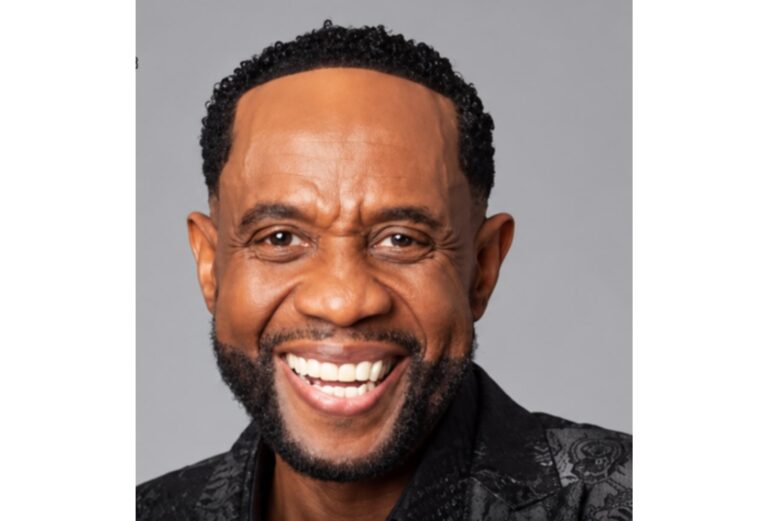
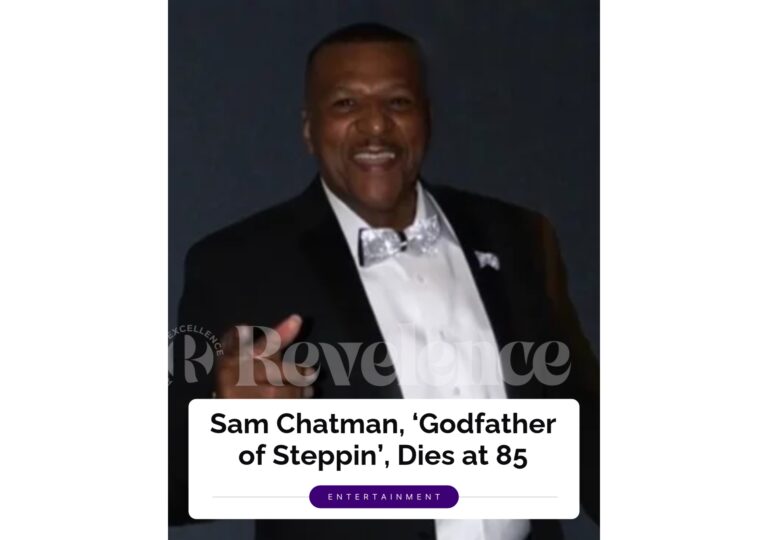
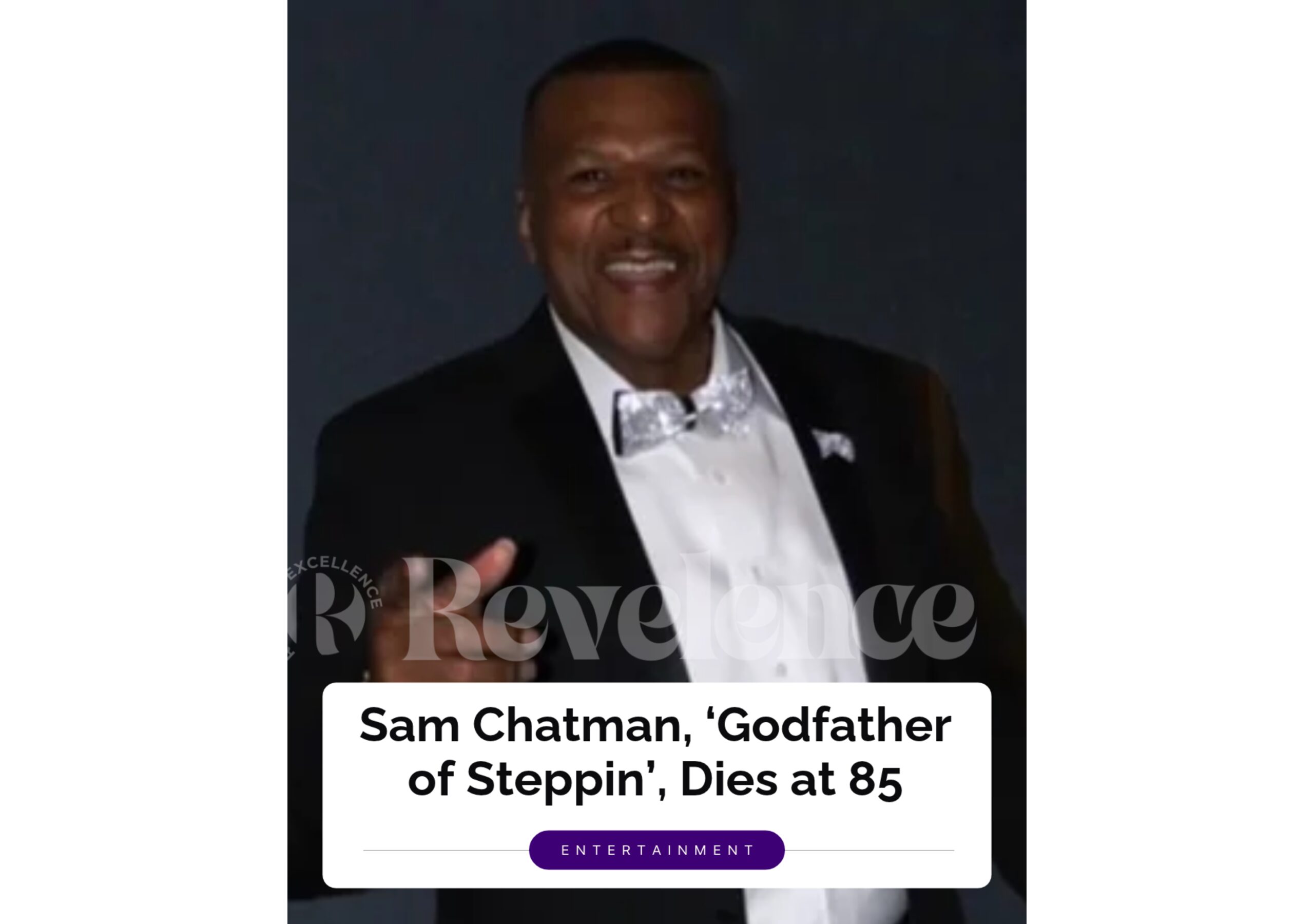
Chicago is mourning the loss of Sam Chatman, the legendary DJ known as the “Godfather of Steppin’,” who has died at 85.
Chatman played a significant role in Chicago’s music and dance community, helping popularize the name “steppin’” for a dance style deeply rooted in the city’s Black cultural history. Through decades of DJing, community gatherings and dance events, he helped keep the tradition alive and introduced generations of dancers to its distinctive rhythms.
His death marks the loss of a cultural figure whose influence extended beyond the DJ booth. Chatman helped create spaces where music, movement and community came together.
Sam Chatman helped shape Chicago steppin’
Chicago steppin’ is more than a dance. It represents a cultural tradition shaped by the city’s Black communities, with music and social gatherings playing a central role in its development.
Chatman became known for his contributions to that tradition. As a DJ and community figure, he helped bring dancers together and supported the gatherings where steppin’ continued to thrive.
His work helped introduce the dance to new generations, allowing its rhythms and social traditions to reach beyond Chicago.
Over the years, steppin’ has developed a following outside its hometown, connecting dancers through shared music, movement and cultural identity.
Family remembers a cultural legacy
In a statement confirming his death, Chatman’s family remembered him as more than a DJ. They honored his contribution to preserving Black culture and bringing people together through music.
That legacy reflects the important role local DJs and community organizers play in keeping cultural traditions alive. Their influence often extends beyond performances, shaping the places where people gather, celebrate and pass traditions to younger generations.
For those who learned to steppin’ through Chicago’s dance community, Chatman’s work helped preserve a connection to the city’s cultural history.
Sam Chatman’s influence lives on
Chatman’s impact can be seen in the generations of steppers he inspired and the dance floors where the tradition continues.
His contribution to Chicago’s music scene helped give steppin’ a stronger identity and wider recognition. The dance remains an important expression of Black culture and community, carried forward by dancers, DJs and organizers.
As Chicago remembers Chatman, his legacy lives on through the music he played, the people he brought together and the cultural tradition he helped popularize.
His influence will continue wherever steppers gather to celebrate the music and community that defined his life’s work.
About the Author