Photo screenshot: X
Late August is bringing an unexpected change to one of Alaska’s most remote highways, where several inches of snow and strong gusts are expected around the state’s highest year round maintained pass.
The National Weather Service in Fairbanks has issued a Winter Weather Advisory for the Central Brooks Range, including Atigun Pass, Anaktuvuk Pass, Galbraith Lake and part of the Dalton Highway. The advisory is scheduled to remain in effect through Saturday afternoon.
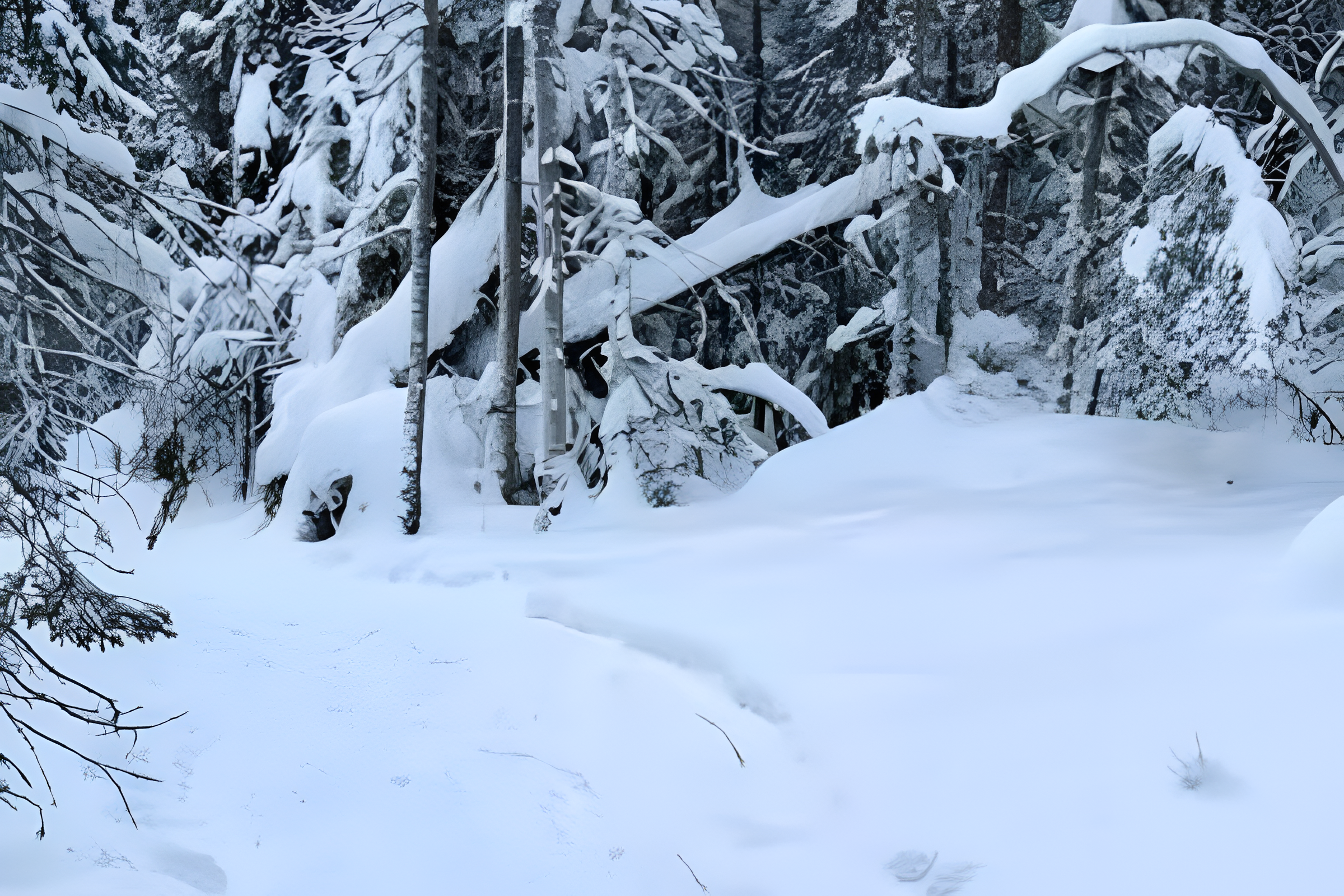
Forecasters expect 4 to 6 inches of snow at or above pass level, with gusts reaching 30 mph. Blowing snow could reduce visibility to a half-mile or less at times, creating difficult conditions for drivers traveling through the mountain corridor.
Alaska weather turns wintry at Atigun Pass
Atigun Pass rises to 4,739 feet along the Dalton Highway. At that elevation, temperatures can remain cold enough for snow while lower portions of the route experience rain.
The weather service expects snow levels to begin around 2,500 feet before rising toward 4,000 feet Friday. That means conditions can change quickly as motorists climb toward the pass.
The highway itself stretches about 414 miles from the Fairbanks area toward Deadhorse and the Prudhoe Bay oil fields. Much of the route is remote, with limited services and little margin for an unexpected change in weather.
The advisory covers the Dalton from Mile Post 232 to Mile Post 322. Atigun Pass sits near Mile Post 244, placing the mountain crossing close to the heart of the affected area.
The highway could change dramatically within hours
One of the more unusual aspects of the forecast is the contrast between different parts of the Dalton.
Lower elevations can remain wet and relatively mild while snow builds around the pass. Drivers traveling a substantial portion of the highway could move from rain into snow and then back toward rain without leaving the same road.
That transition can make conditions harder to judge. A wet surface at a lower elevation does not necessarily indicate what awaits farther uphill.
The weather service has urged motorists in the affected area to slow down and use caution. Blowing snow is expected to be most significant above 4,000 feet.
Strong winds add another travel concern
The same weather system is also producing strong winds farther south in Alaska.
The National Weather Service has forecast gusts reaching 70 mph along part of the Richardson Highway and up to 65 mph near portions of the Parks Highway. Those routes are important connections for travelers heading north from the Anchorage area.
The wind threat is separate from the snow affecting the Dalton Highway, but it could matter for motorists planning a longer trip toward the Brooks Range.
For travelers heading through the Central Brooks Range, the calendar may say August, but the road conditions are offering an early reminder that Alaska’s higher elevations can move into winter weather well before fall officially arrives.
More in Climate
About the Author