Photo credit: The Breakfast Club/Youtube
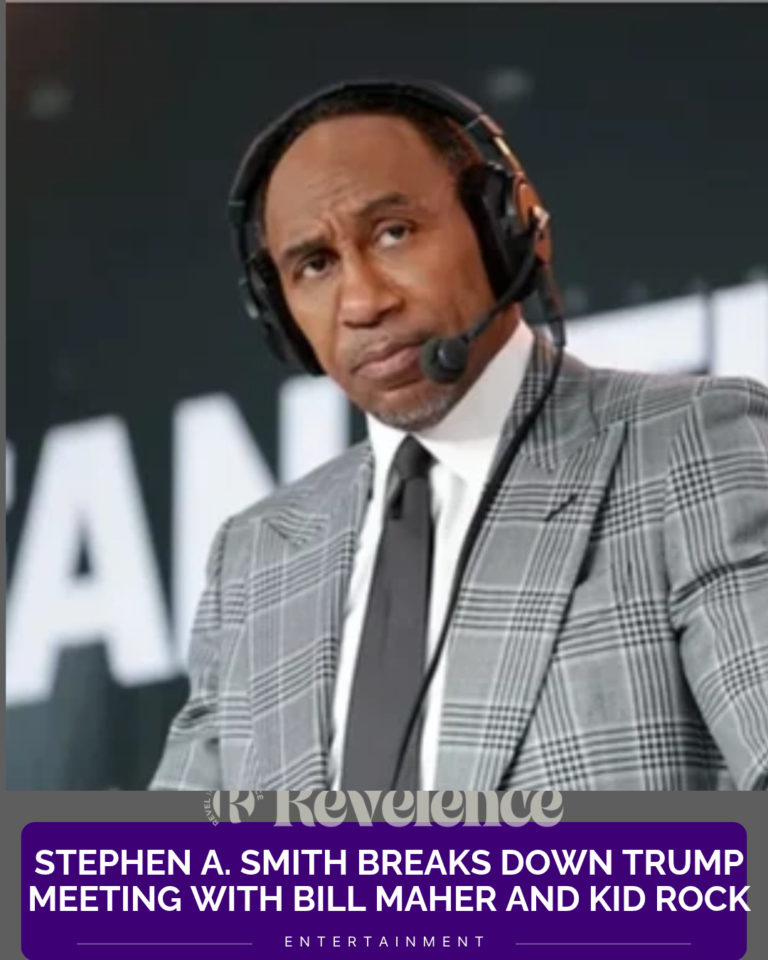
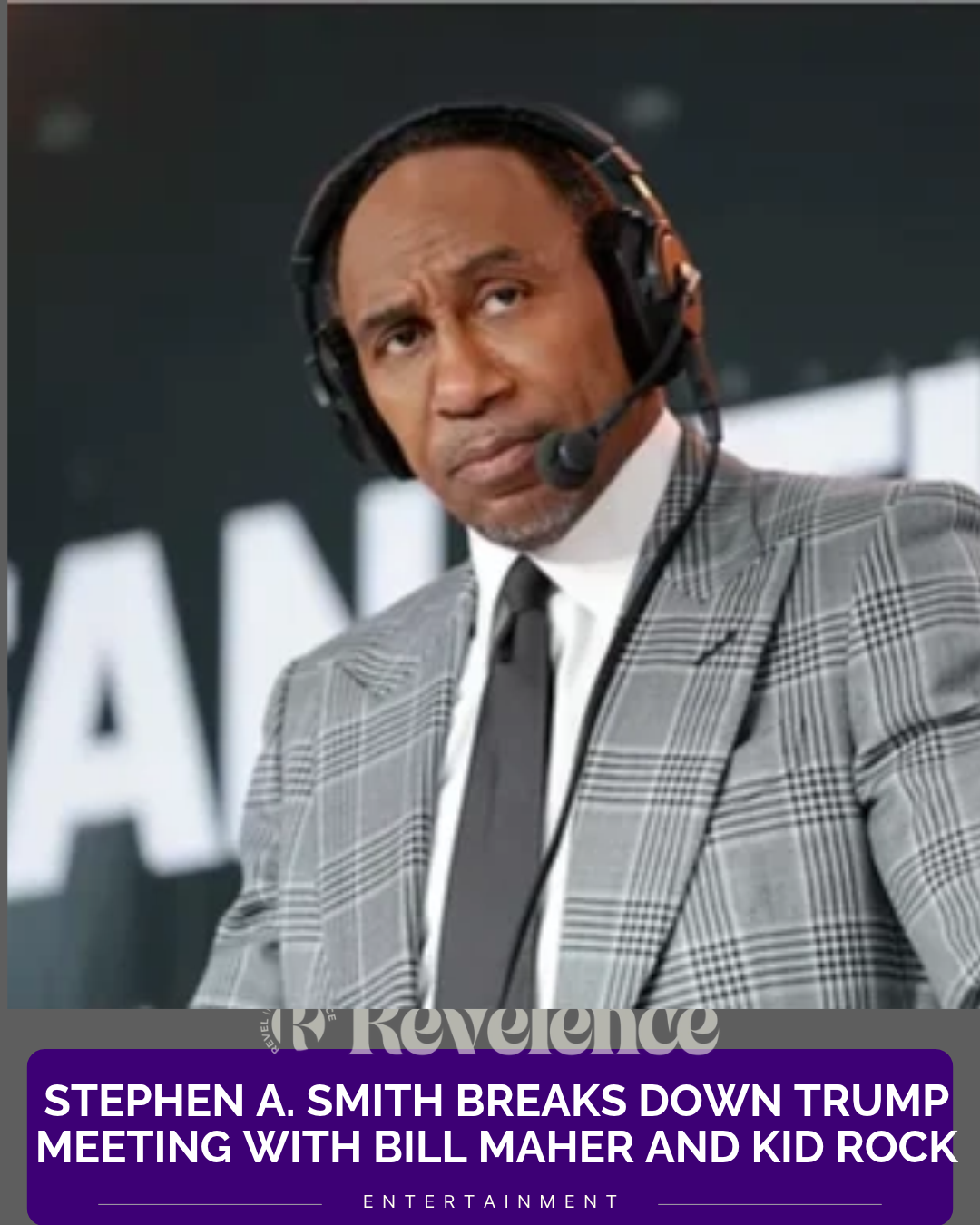
Stephen A. Smith has shared details of his four-hour meeting with President Donald Trump, Bill Maher and Kid Rock at the White House, describing the gathering as “pleasant” and respectful.
The sports commentator discussed the meeting on his show, Straight Shooter with Stephen A., after Trump publicly praised the dinner. However, the gathering has sparked debate about media accountability, political influence and what public figures hope to achieve when they meet with the president behind closed doors.
Smith explained that he attended as Maher’s guest and did not receive a direct invitation from Trump. He also said the conversation covered several major issues, including the economy, inflation and funding for historically Black colleges and universities (HBCUs).
Stephen A. Smith explains why he attended
Trump discussed the dinner publicly, describing Smith, Maher and Kid Rock as smart people who enjoyed the gathering. He also said the group discussed a wide range of topics and toured the White House ballroom construction site.
Meanwhile, Smith offered his own account of the meeting during an appearance on CNN with Laura Coates and on his own platform.
Smith said the conversation lasted more than four hours. He also praised Trump for engaging with criticism rather than avoiding difficult questions.
“It was a pleasant meeting. It was respectful,” Smith said while describing the encounter.
The commentator added that he identifies as an independent rather than a liberal or conservative. He explained that Maher invited him to attend and that he would not have gone without Maher’s invitation.
HBCU funding became a key discussion point
Smith said HBCU funding was one of his main reasons for attending the meeting. During the conversation, he challenged Trump on concerns about diversity, equity and inclusion policies and the potential impact on financial support for historically Black institutions.
Smith specifically raised the FUTURE Act, which made $255 million in annual federal funding permanent for HBCUs. He also questioned whether the administration’s approach to racial preferences could discourage private companies from contributing to these institutions.
According to Smith’s account, Trump responded that he would look into the issue.
Smith’s comments highlighted concerns about both federal funding and private donations. Although permanent federal funding provides an important source of support, private contributions can also help HBCUs maintain programs and expand opportunities for students.
The meeting sparks debate about transparency
The White House gathering also prompted discussion on The Breakfast Club, where hosts questioned whether media personalities should document private meetings with the president.
One concern centered on how political figures might characterize conversations after they end. Trump’s public comments about the dinner led to questions about whether the participants shared his assessment of the meeting.
The hosts argued that recording such encounters could help the public understand what participants discussed and whether they challenged the president on important issues.
They also suggested that media personalities could bring policy experts or advocates to meetings to strengthen their arguments and push for specific outcomes.
However, the discussion did not amount to opposition to the meeting itself. Instead, the hosts emphasized transparency and wanted the public to see how participants questioned the president.
Questions remain about the meeting’s impact
Smith’s account offered insight into his conversation with Trump, particularly his concerns about HBCU funding and the economy. Still, the discussion raised questions about whether private meetings with political leaders lead to meaningful policy changes.
The commentator said Trump acknowledged his point about private-sector support for HBCUs and agreed to examine the issue. However, the account did not establish whether the conversation resulted in any policy commitment.
For critics of the gathering, public documentation could help distinguish substantive policy discussions from political publicity. Supporters of private dialogue, meanwhile, may argue that direct conversations can create opportunities to raise concerns that might otherwise go unheard.
Ultimately, Smith described the encounter as respectful and said he used the opportunity to raise issues important to him. The debate now centers on transparency, accountability and what the public should expect when influential media figures meet with the president.
Source: The Breakfast Club discussion
About the Author