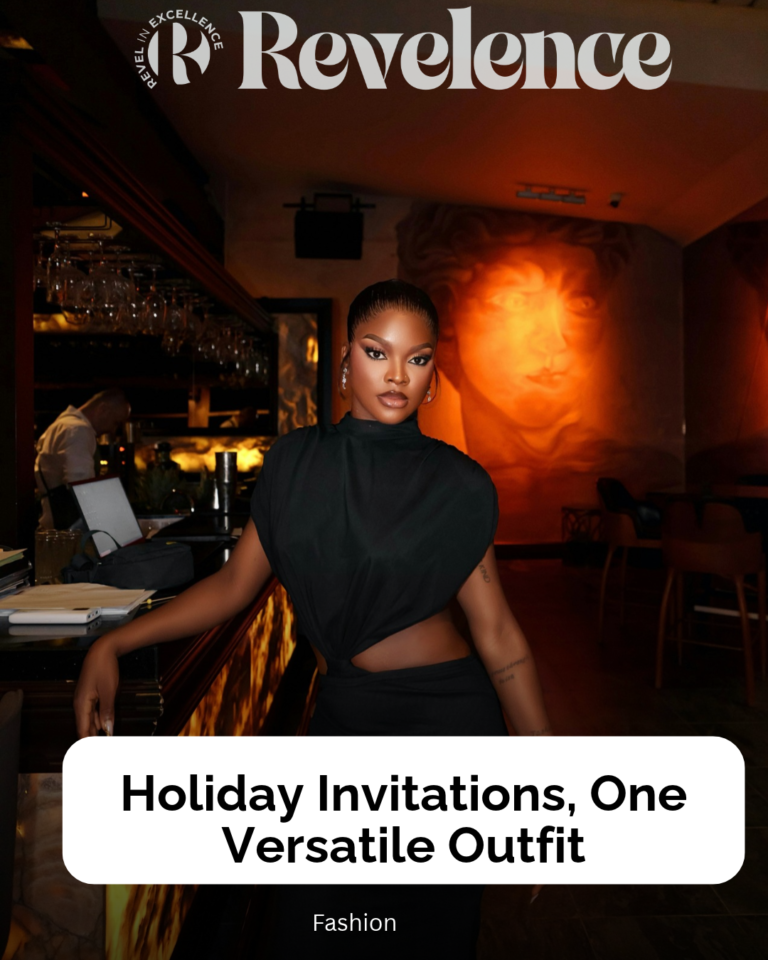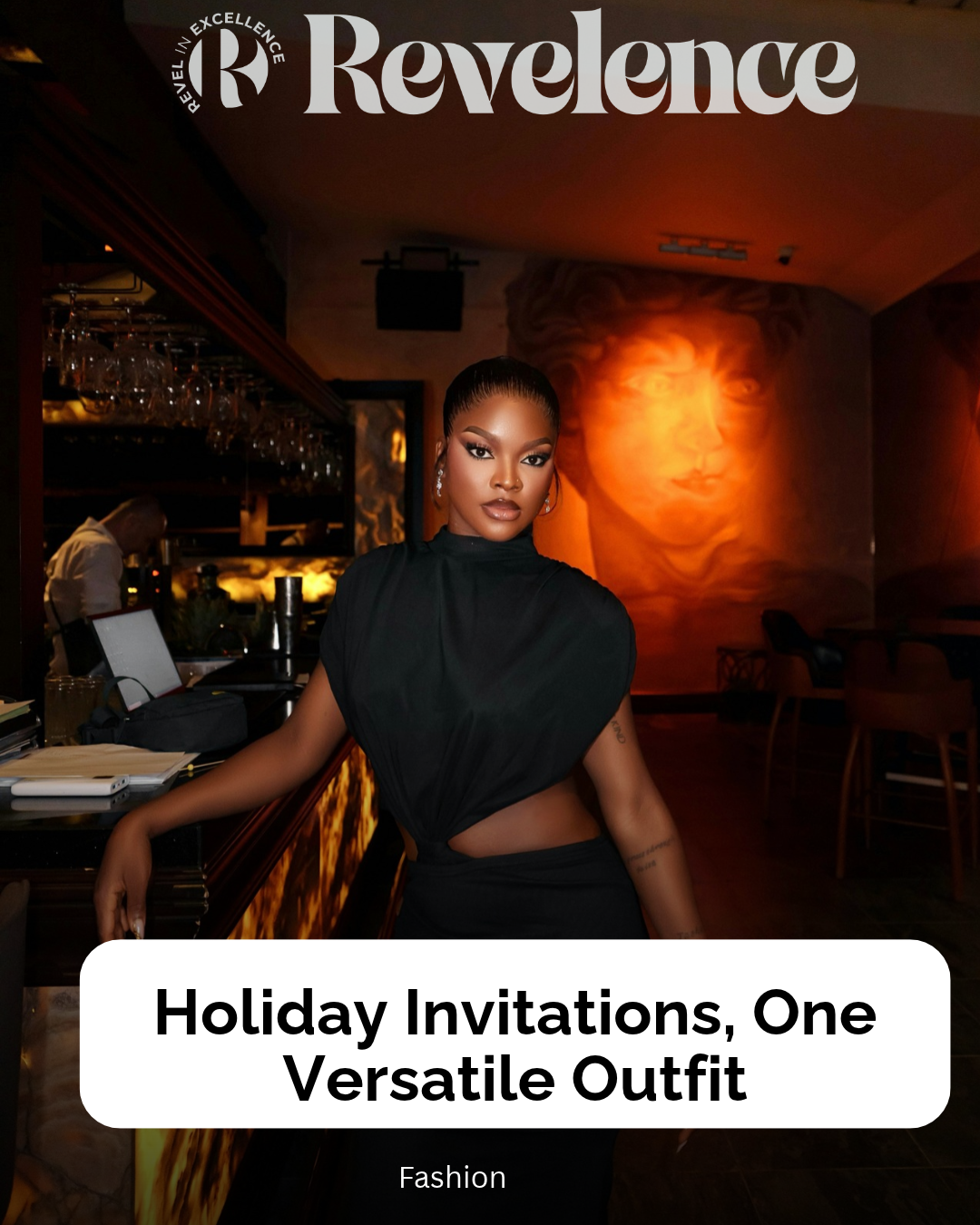
Photo by gabbiistudios on Unsplash
One holiday season can bring several invitations, from office celebrations and family dinners to cocktail parties and formal events. Buying a separate outfit for every occasion can quickly become expensive. A versatile wardrobe plan offers another option.
With a few thoughtful styling changes, one well-chosen outfit can work across different holiday dress codes. The key is to start with a comfortable foundation and use accessories, shoes and layering pieces to change the overall look.
A simple black dress, tailored jumpsuit, coordinated suit or elegant separates can provide that foundation. The best choice depends on personal style, comfort and the events on the calendar.
Start with an outfit that offers flexibility
The most useful holiday outfit is one that can be styled in several ways. Choose a piece that fits well, feels comfortable and does not depend on one specific occasion.
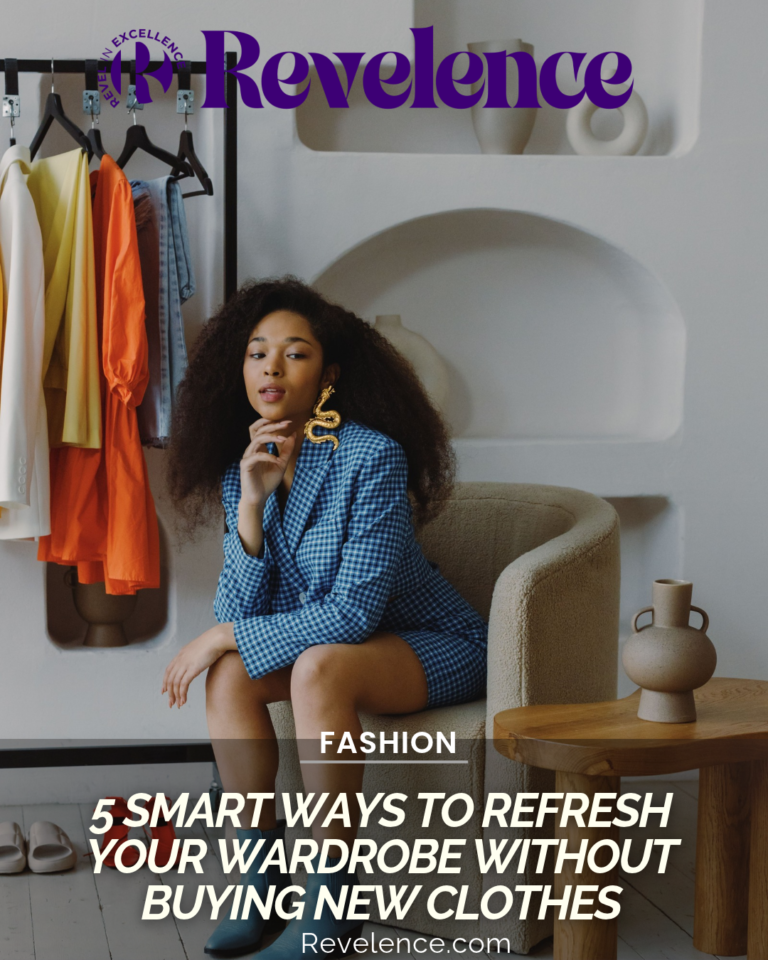
A knee-length or midi dress in black, navy, burgundy or another versatile color can work for several settings. A tailored jumpsuit offers a similar option for someone who prefers trousers. A matching blazer and trouser set can also move between professional and social events.
For a more flexible wardrobe, consider separates. A satin skirt, tailored trousers, a neutral blouse or a structured jacket can create different combinations without requiring an entirely new outfit.
Pay attention to fabric and fit. A garment that feels comfortable when sitting, walking and dancing is more useful than one that looks impressive only while standing still.
Style one outfit for different holiday dress codes
The same outfit can communicate different levels of formality through styling.
For a casual holiday gathering, keep the look relaxed. Pair a versatile dress with flat boots, simple earrings and a cardigan or denim jacket. A jumpsuit can work with comfortable flats and a crossbody bag. The goal is to look polished without appearing overdressed.
For an office holiday party, choose a more structured finish. Add a blazer, understated jewelry and closed-toe shoes or elegant ankle boots. If the outfit already has a bold detail, keep the rest of the styling simple. This creates a festive appearance while remaining appropriate for a professional setting.
For a cocktail invitation, introduce a more noticeable accessory. Statement earrings, a metallic clutch, a belt or heeled shoes can give the same foundation a more celebratory feel. A blazer can be removed later if the event allows a less formal look.
For a formal celebration, focus on refined details. Choose polished shoes, a small evening bag and more deliberate jewelry. A tailored suit can become an evening look with a dressier top and coordinated accessories. Check the invitation carefully because black-tie and formal dress codes may require more specific attire.
Use accessories to change the mood
Accessories can make a familiar outfit feel different without requiring a complete wardrobe change.
Jewelry is one of the easiest ways to adjust a look. Small earrings and a delicate necklace can suit a daytime gathering, while larger earrings or a statement necklace can create a stronger evening effect.
Shoes also influence the overall impression. Flats and low boots offer comfort for casual events. Heels, dressy sandals or polished loafers can make the same outfit feel more formal.
Bags provide another styling opportunity. A practical shoulder bag works for daytime plans, while a compact clutch or structured mini bag can suit an evening invitation.
Layering pieces are equally useful. A blazer adds structure, while a cardigan or wrap creates a softer appearance. A coat can complete the outfit when traveling between venues in colder weather.
Build a holiday look around your budget
A versatile outfit does not need to come with a large price tag. The most practical approach is to spend according to how often each item will be worn.
On a limited budget, begin with pieces already in the wardrobe. A simple dress, trousers or skirt can look different with a borrowed blazer, existing jewelry or a new accessory. Clothing swaps and secondhand shops may also offer affordable options.
With a moderate budget, consider investing in one quality foundation piece. A well-fitting dress, jumpsuit or matching set can serve several occasions. Use less expensive accessories to create different looks.
With a larger budget, prioritize tailoring, durable fabrics and shoes that can work beyond the holiday season. A versatile blazer, evening bag or comfortable dress shoe may offer more long-term value than a trend-driven outfit worn once.
Regardless of budget, avoid buying an entire look before checking what is already available. A few carefully selected additions can make existing clothes feel new.
Plan for comfort before the event
A versatile outfit should support the entire evening, not just photographs. Consider the venue, weather, transportation and expected activities before choosing shoes and layers.
Try the complete outfit before the event. Walk around in the shoes, sit down and check whether the garment needs adjustments. Make sure the bag can hold essentials without becoming uncomfortable.
It also helps to check each invitation for its dress code. A restaurant dinner, workplace celebration and formal reception may have different expectations, even when they all use the word festive.
Make versatility part of holiday planning
The most useful holiday wardrobe is not necessarily the largest one. It is the collection of pieces that can adapt to different occasions without sacrificing comfort or personal style.
A well-chosen dress, jumpsuit or coordinated set can provide the starting point. With thoughtful accessories, suitable shoes and a change of layers, one outfit can serve several invitations.
Planning ahead also makes it easier to avoid rushed purchases and unnecessary spending. Instead of dressing for every invitation from scratch, build a look that can change with the occasion.
About the Author