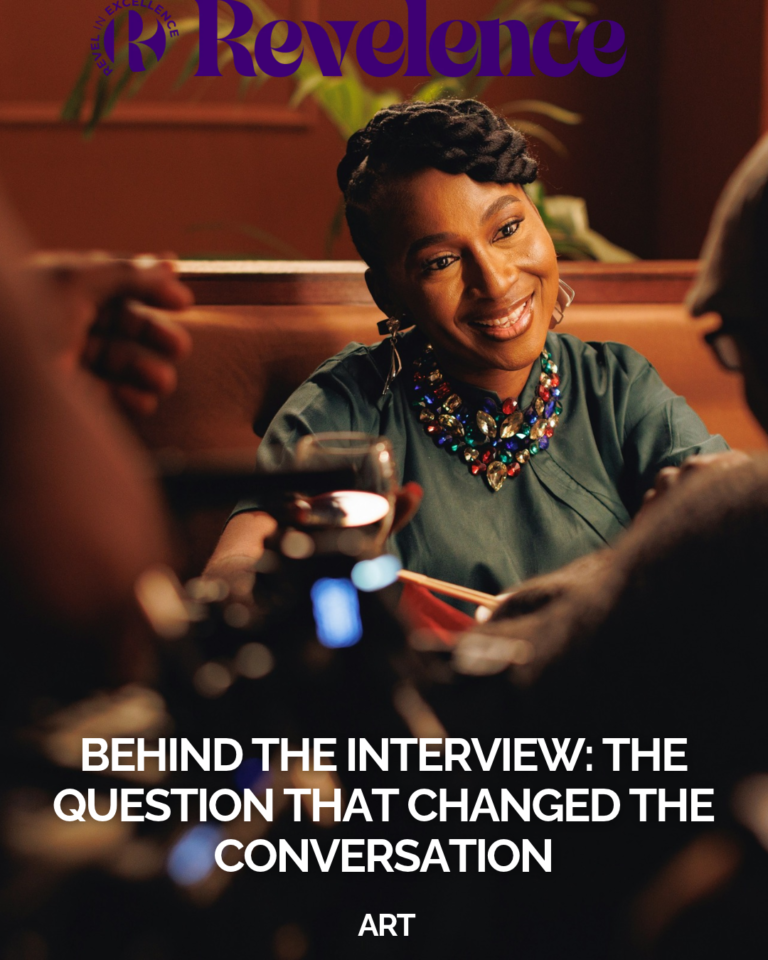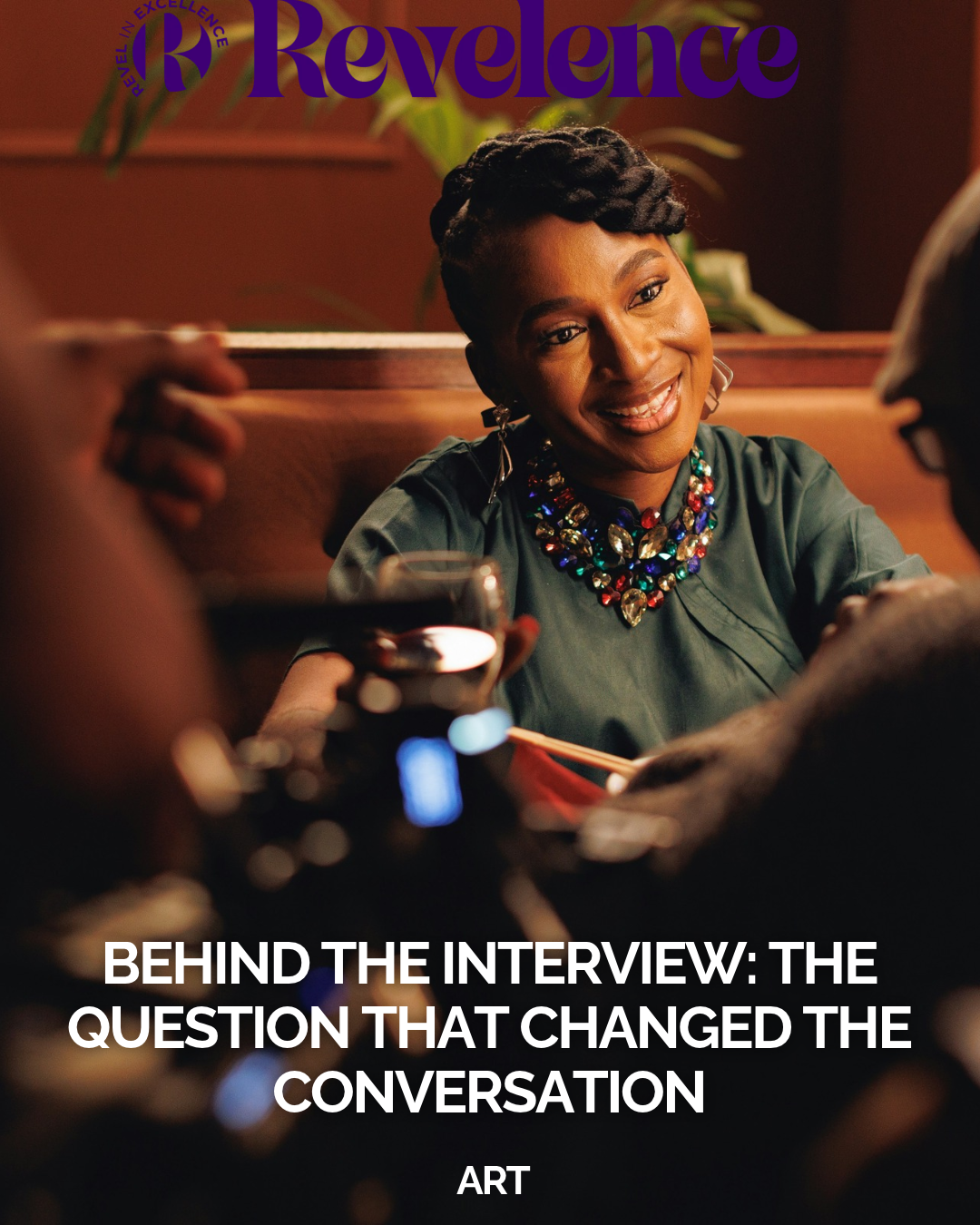
Some interview questions reveal more than a person’s job title. They uncover the values, responsibilities and experiences that shape how someone approaches their work. In an interview with According to Porsha, Black Harvest Film Festival lead curator jada-amina offered that kind of perspective when asked what it means to be a cultural worker.
Her answer opened a wider conversation about preserving Black stories, supporting creative communities and ensuring artists receive fair compensation for their contributions.
For jada-amina, cultural work is not simply about celebrating art. It involves the labor of protecting culture, bringing creative work to new audiences and maintaining connections between generations. Her explanation also raised an important question about who benefits when people profit from Black culture.
The question behind the conversation
Asked to explain the meaning of cultural work, jada-amina traced her understanding of the term to about a decade ago. She connected it to the work of people who preserve culture, share it and help it reach the communities that need to experience it.
She also reflected on the influence of Toni Cade Bambara, the late writer, filmmaker and organizer who identified as a cultural worker.
That connection helped her understand the responsibility that comes with cultural stewardship. It also reinforced the importance of recognizing the people who keep creative traditions alive.
Her explanation offered a useful way to understand her role at Black Harvest. As lead curator, she does more than select films for a festival. She helps create opportunities for Black filmmakers to share their work and connect with audiences.
Why paying Black creatives matters
One of the strongest parts of her answer focused on compensation.
jada-amina explained that people often benefit financially from Black culture while leaving Black creators out of the economic value their work generates. For her, making sure people receive payment is an essential part of cultural work.
She illustrated that responsibility through an example from another cultural institution. After a cancellation created an opportunity to bring in another participant, she contacted someone in her network. Before moving forward, she asked whether there was money available to compensate that person.
The example showed how cultural support can happen beyond public programming. It can involve making calls, creating opportunities and asking whether the people contributing their time and expertise will be paid.
That distinction matters. Visibility can help an artist reach new audiences, but exposure alone does not guarantee financial stability. jada-amina’s perspective places compensation alongside preservation and representation as part of the work.
How Black Harvest keeps stories in circulation
Her approach connects directly to the purpose of the Black Harvest Film Festival, which celebrated its 32nd year in 2026.
The festival brings together films that explore Black life across different communities, genres and experiences. Its programming includes Chicago filmmakers, artists from across the United States and filmmakers from the African diaspora.
jada-amina described her curatorial approach as guided by the spirit behind a film. She considers whether its subjects feel fully realized and whether the work offers audiences something meaningful beyond familiar assumptions.
That approach also shapes the festival’s treatment of representation. Rather than placing every queer story in a single dedicated program, she wants those stories to appear throughout the festival. This allows audiences to encounter different experiences as part of the broader range of Black life.
The 2026 lineup included nine feature films and multiple short-film programs. It also featured a restored Gordon Parks film, Solomon Northup’s Odyssey, as its closing-night presentation.
The lasting meaning of the answer
Another part of jada-amina’s conversation focused on what happens after a film receives a screening. She described how filmmakers can build relationships, find collaborators and create opportunities through festival participation.
She recalled seeing connections formed during earlier festival events develop into creative partnerships years later. She also discussed a film previously shown at Black Harvest that later secured distribution and reached streaming audiences.
These examples reinforce her belief that showing up for one another can change what becomes possible for Black filmmakers.
The question about cultural work ultimately revealed a broader philosophy. Preserving Black stories requires more than putting them on a screen. It requires people willing to protect creative histories, build meaningful opportunities and recognize the labor behind the work.
For jada-amina, that responsibility is both personal and collective. Her answer reminds audiences that celebrating Black culture should also mean supporting the people who create, preserve and carry it forward.
Source: According to Porsha interview with jada-amina
About the Author