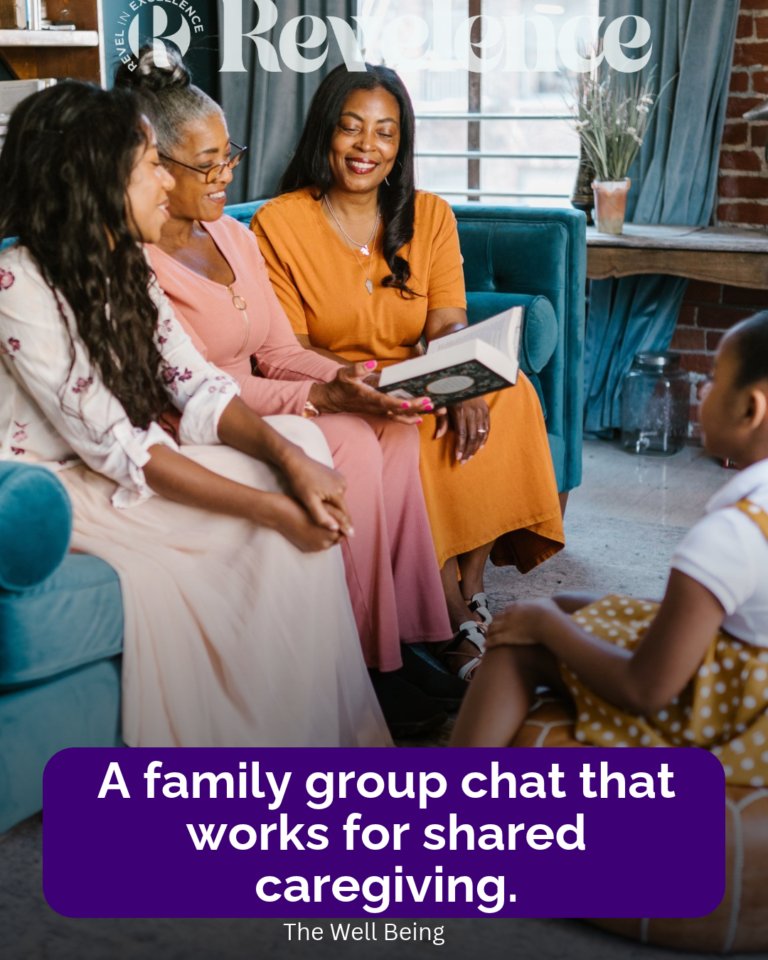
Photo credit: Photo by Kampus Production on Pexels
Loving a family member does not mean handling every responsibility alone. Yet many women become the default caregivers before anyone asks whether they have the time, energy or support to manage the work.
For women balancing jobs, children, relationships and their own health, caregiving can become another full-time responsibility. The pressure can be especially familiar in Black families, where women may feel expected to remain strong, dependable and available.
Dr. LaToya Lewis, a nurse scientist and associate professor of clinical nursing at the University of Miami, wants families to rethink that expectation. Her work spans brain health, dementia, serious illness and caregiving. She encourages families to share responsibilities instead of automatically placing them on daughters, mothers, sisters or female relatives.
Her message is clear: love does not require one person to do everything.
Caregiving includes more than physical help
Families often recognize visible caregiving tasks first. These include bathing, preparing meals and helping someone move around the home.
However, much of the work happens behind the scenes. Someone must schedule appointments, coordinate transportation, request prescription refills and communicate changes to relatives.
Lewis explains that this invisible work also includes checking whether a loved one can manage financial decisions. Families may need to discuss who can help with those responsibilities.
The mental load can become exhausting when one person manages every detail. Relatives may expect regular updates without realizing how much coordination those updates require.
Making the work visible gives families a clearer picture of what needs attention. It also creates opportunities to share tasks instead of relying on one person to remember everything.
Stop making one woman the default caregiver
Caregiving should not become a responsibility assigned by gender or family tradition.
Lewis says families often overlook other relatives when they assume a daughter, mother or sister will handle the work. She encourages families to include sons, brothers and other relatives in caregiving conversations.
That change starts with asking what each person can realistically contribute. A relative’s availability, work schedule, location and personal responsibilities all matter.
It also helps to include the person receiving care. Their preferences and wishes should remain part of decisions whenever possible.
Turn general offers into specific help
A relative who says, “Let me know if you need anything,” may genuinely want to help. However, that offer can leave the caregiver responsible for identifying every need and coordinating every response.
Lewis recommends assigning specific responsibilities instead.
For example, one sibling can schedule medical appointments. Another can contact the pharmacy about prescription refills. A third can prepare meals or arrange meal support.
Families can use group chats, Zoom or FaceTime to coordinate responsibilities. These tools can also help relatives who live far away stay involved.
A practical shared-care plan might look like this:
- Appointments: One relative calls providers and manages scheduling.
- Prescriptions: Another contacts the pharmacy and tracks refill needs.
- Meals: A family member prepares food or researches community meal services.
- Transportation: Someone coordinates rides to medical appointments.
- Family updates: One person shares agreed-upon updates with relatives.
The goal is to give each person a clear responsibility. The primary caregiver should not have to supervise every task or repeatedly remind everyone to participate.
Set boundaries without apologizing for needing rest
A boundary does not mean someone has stopped caring. It means the caregiver recognizes that personal health and family responsibilities must coexist.
Lewis describes a caregiver who has missed her own medical appointments while managing work deadlines and raising children. She argues that strength should not mean remaining exhausted and overwhelmed.
One way to establish a boundary is to identify specific hours when another relative must take over.
For example, a caregiver might tell siblings that she needs help with their father’s care on Mondays, Wednesdays and Fridays from 7 to 9 a.m. That time could allow her to exercise, pray, meditate or take a walk.
She can also be honest when she cannot complete another task.
A simple response might be: “I love our family, but I cannot manage this appointment today. Can you call the doctor’s office and arrange it?”
That statement communicates care while making the limit clear.
Some tasks can wait
Not every household responsibility must be completed immediately. A family gathering does not need perfect meals, a spotless home or every relative’s request handled by one person.
Caregivers can identify what is essential, what another person can manage and what can wait. Families should prioritize immediate safety, essential care and important medical needs. Less urgent chores and nonessential plans may need to move down the list.
Lewis also encourages caregivers to explore available support. Depending on eligibility and location, insurance benefits, transportation services, community meal programs and respite care may help reduce the workload.
Respite care can provide temporary relief for a caregiver. Families can also ask healthcare providers, community organizations and local aging services about available options.
Include yourself in the care plan
Lewis offers three reminders for women carrying family caregiving responsibilities: being capable does not mean doing everything, rest matters, and caregivers deserve support rather than praise alone.
She encourages caregivers to identify one task they can trust another person to handle this week. That could mean asking someone to pick up food, call the pharmacy or make an appointment.
Families can also revisit their shared-care plan as needs change. A responsibility that works today may become difficult when someone’s health, work schedule or living arrangements change.
You can love your family deeply and still leave some tasks undone. You can ask for help, protect time for your health and expect other relatives to participate.
Caregiving is a shared responsibility. The person providing care deserves care, too.
About the Author